Vedbæk House
In a house built back in 1911 by architects H. Wright and E.V. Marston, Founding Partner at Norm Architects Jonas Bjerre-Poulsen has created a beautiful home for his family with great attention to detail, light, and atmosphere – and with the utmost respect for the historic elements within its structure.
Location
Vedbæk, Denmark
Photography
Jonas Bjerre-Poulsen
Sandie Lykke Nolsøe
Karl Tranberg Knudsen
Category
Residential
Year
2026
Vedbæk House – originally named Rosenhøj (“Rose Mound”) – was built back in 1911 by architects H. Wright and E.V. Marston. At the time, Wright served as Copenhagen’s city architect, and the client, Fritz Johannsen, had been inspired by a smaller house Wright had previously designed. This inspiration became Rosenhøj, a summer villa set along the northern coastline where Copenhagen’s affluent families began building seasonal retreats in the late 19th century.
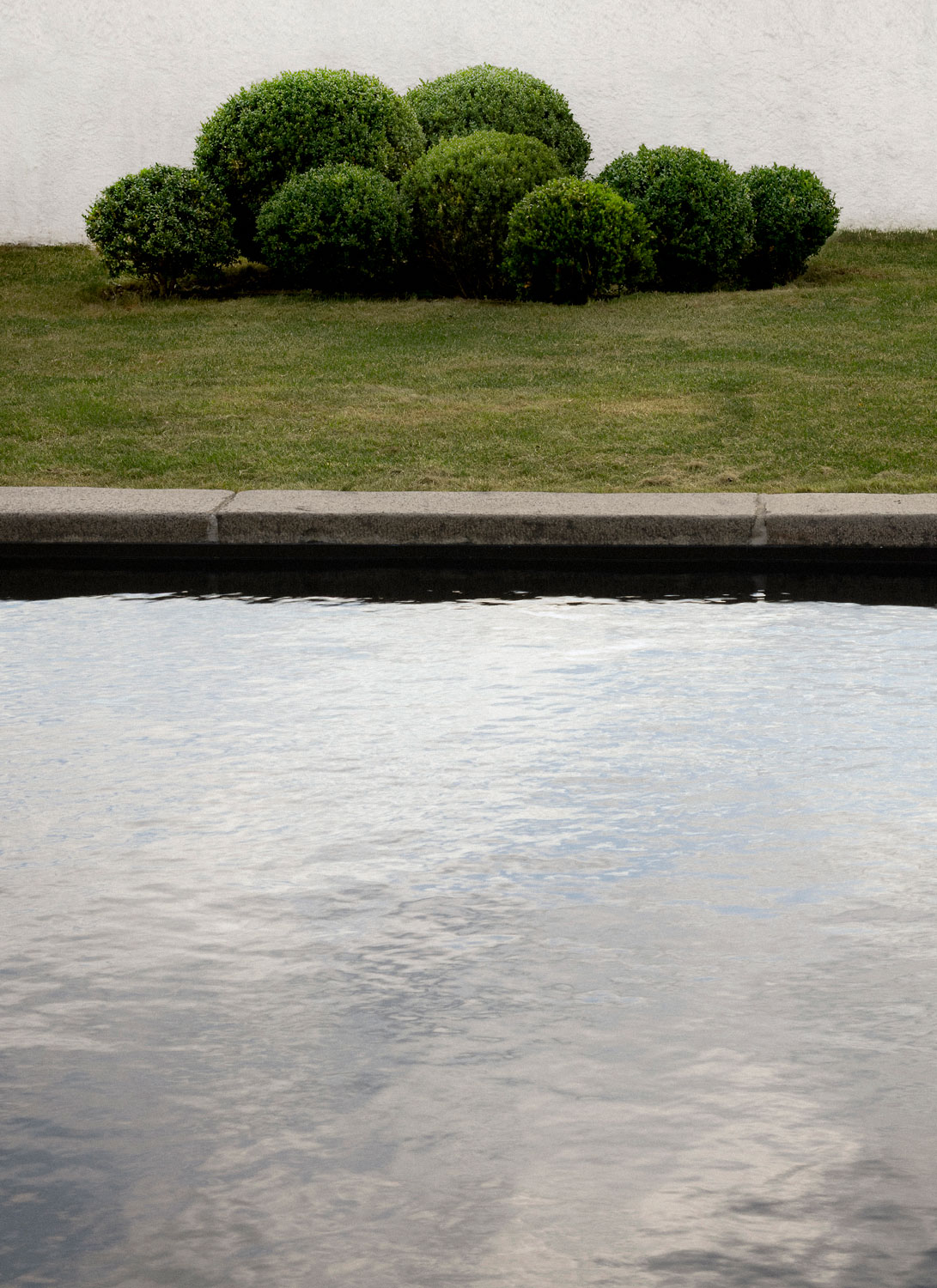
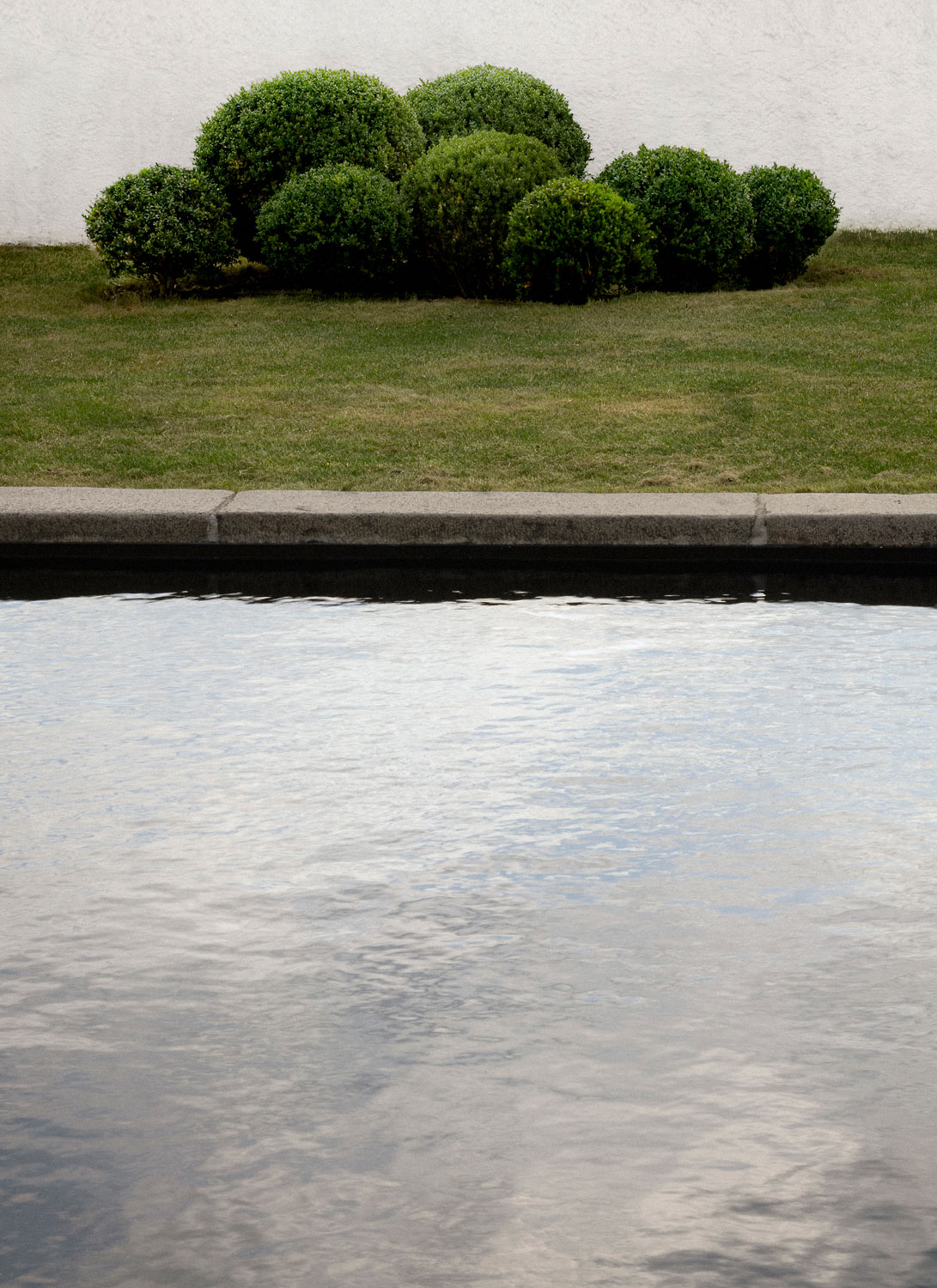
The house stands on the grounds of a former wooden seaside hoel that burned down in 1898, a site that still carries a sense of openness and quiet presence in the landscape.
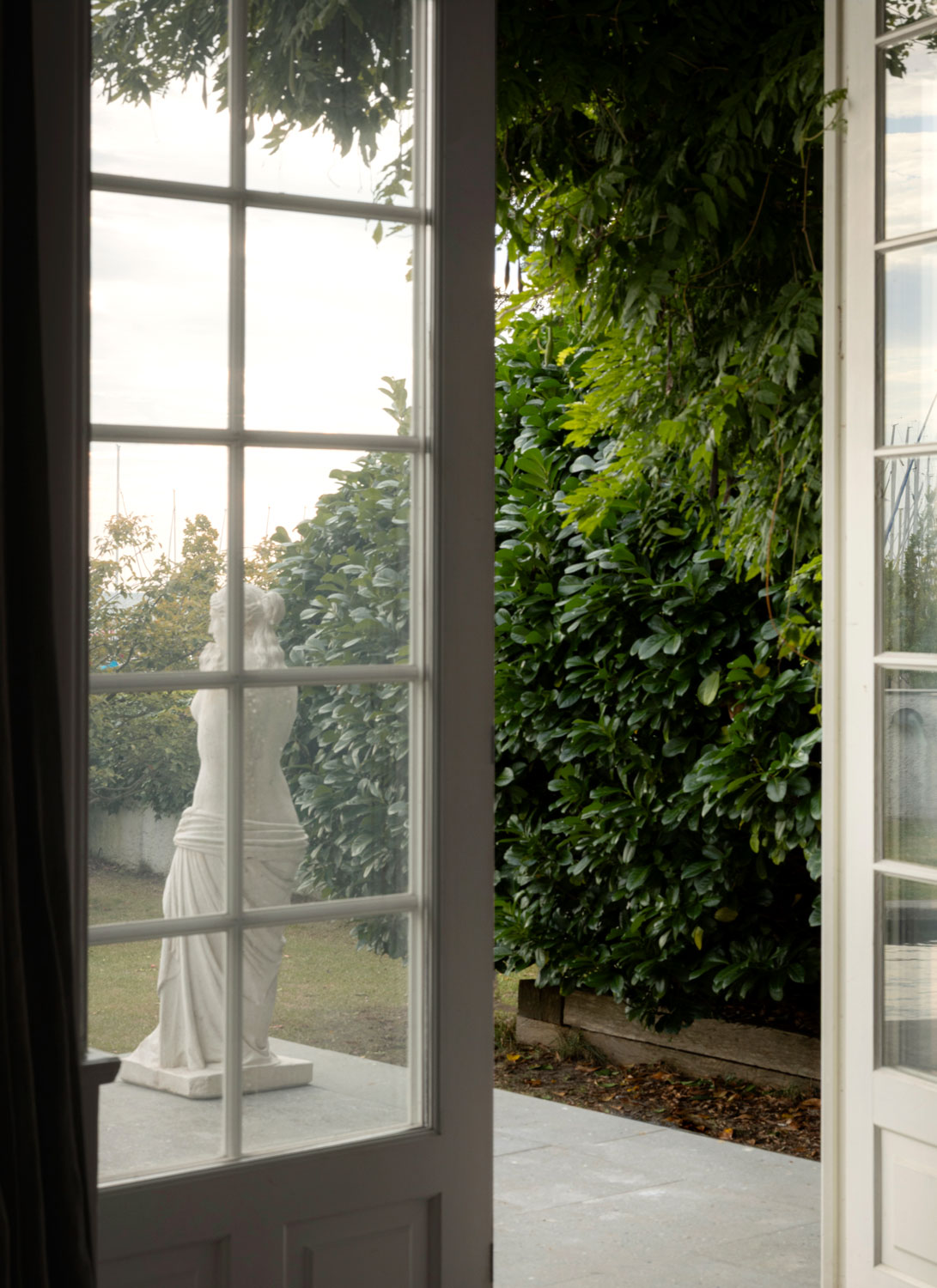
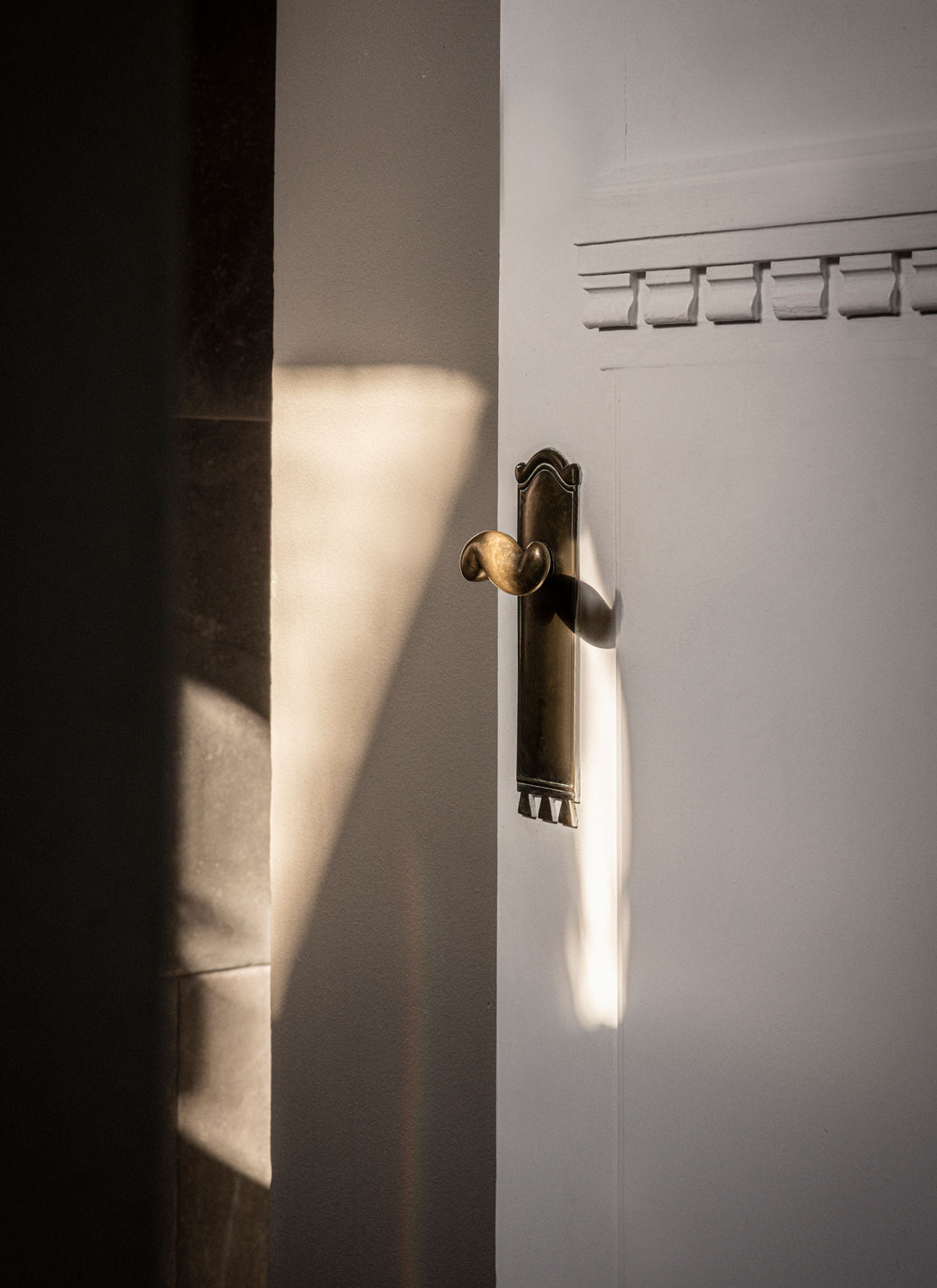

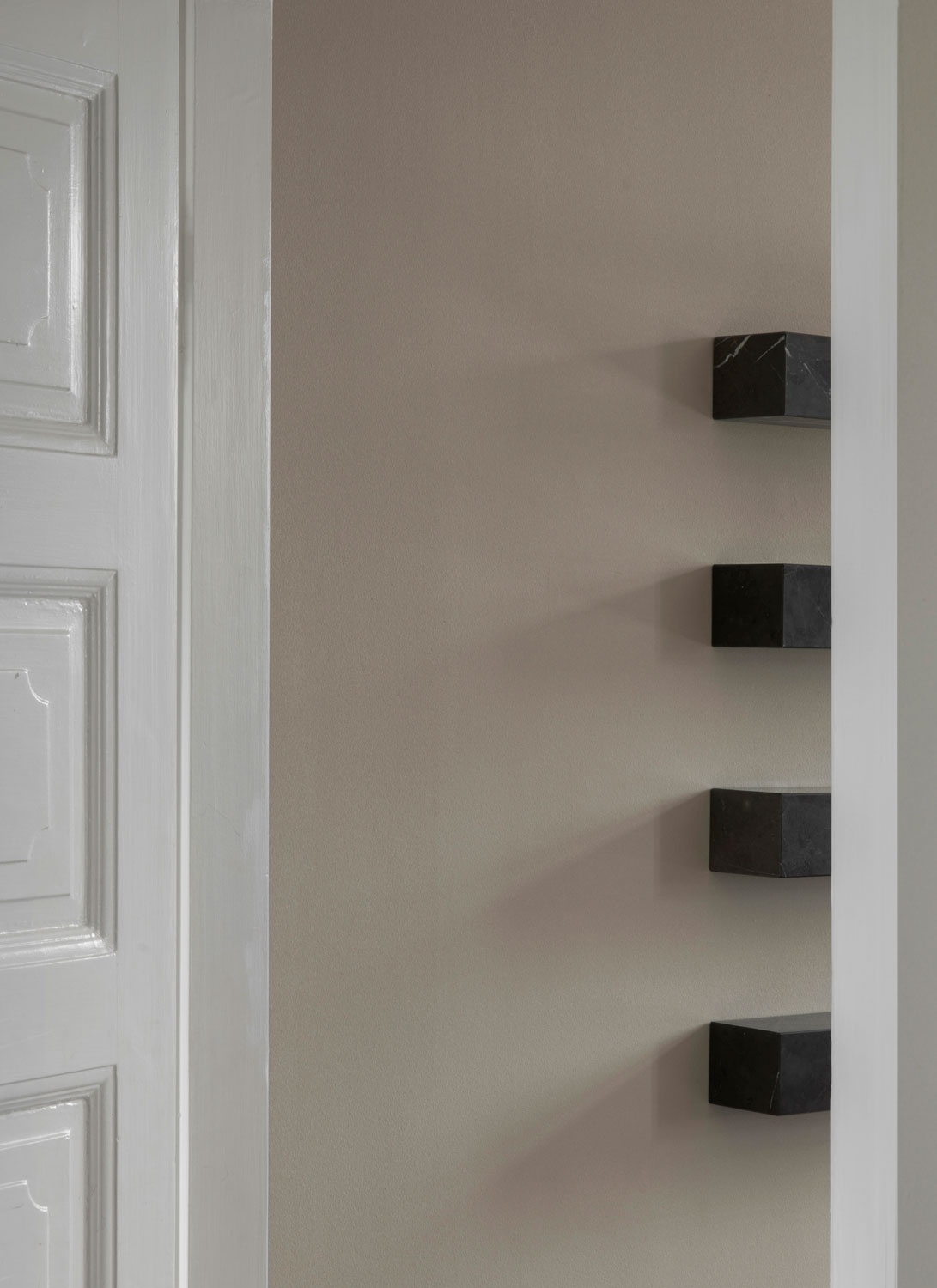
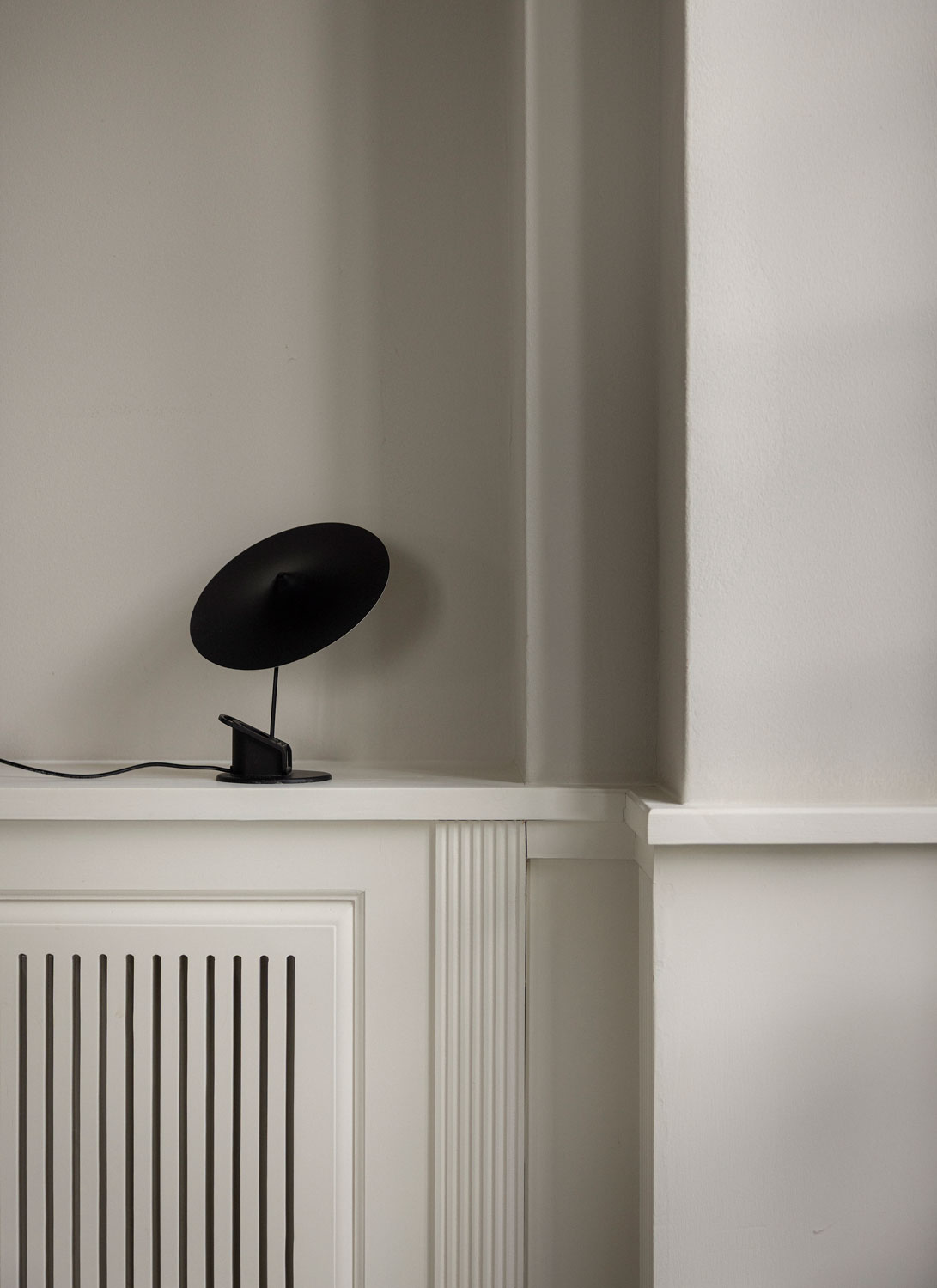
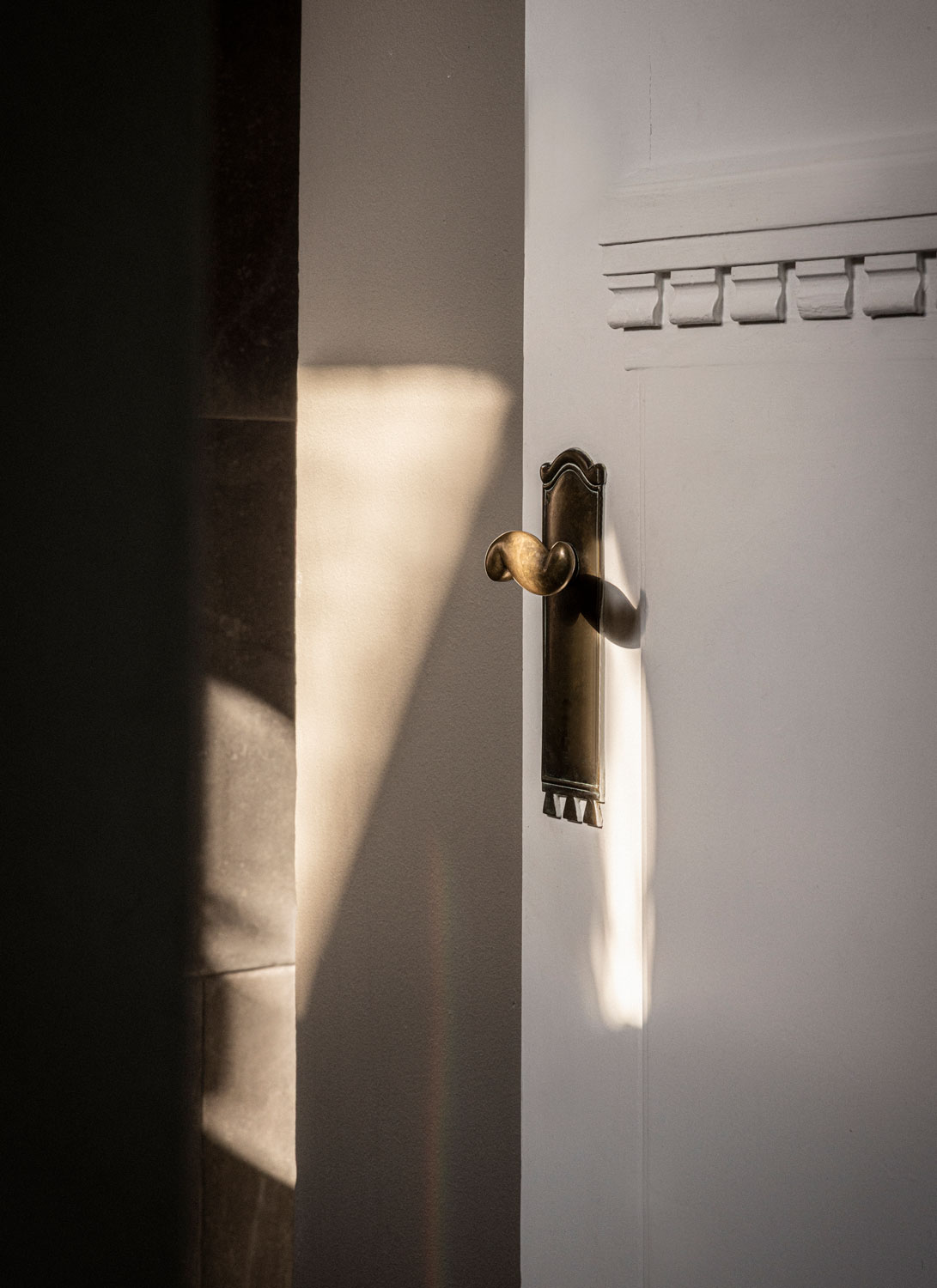
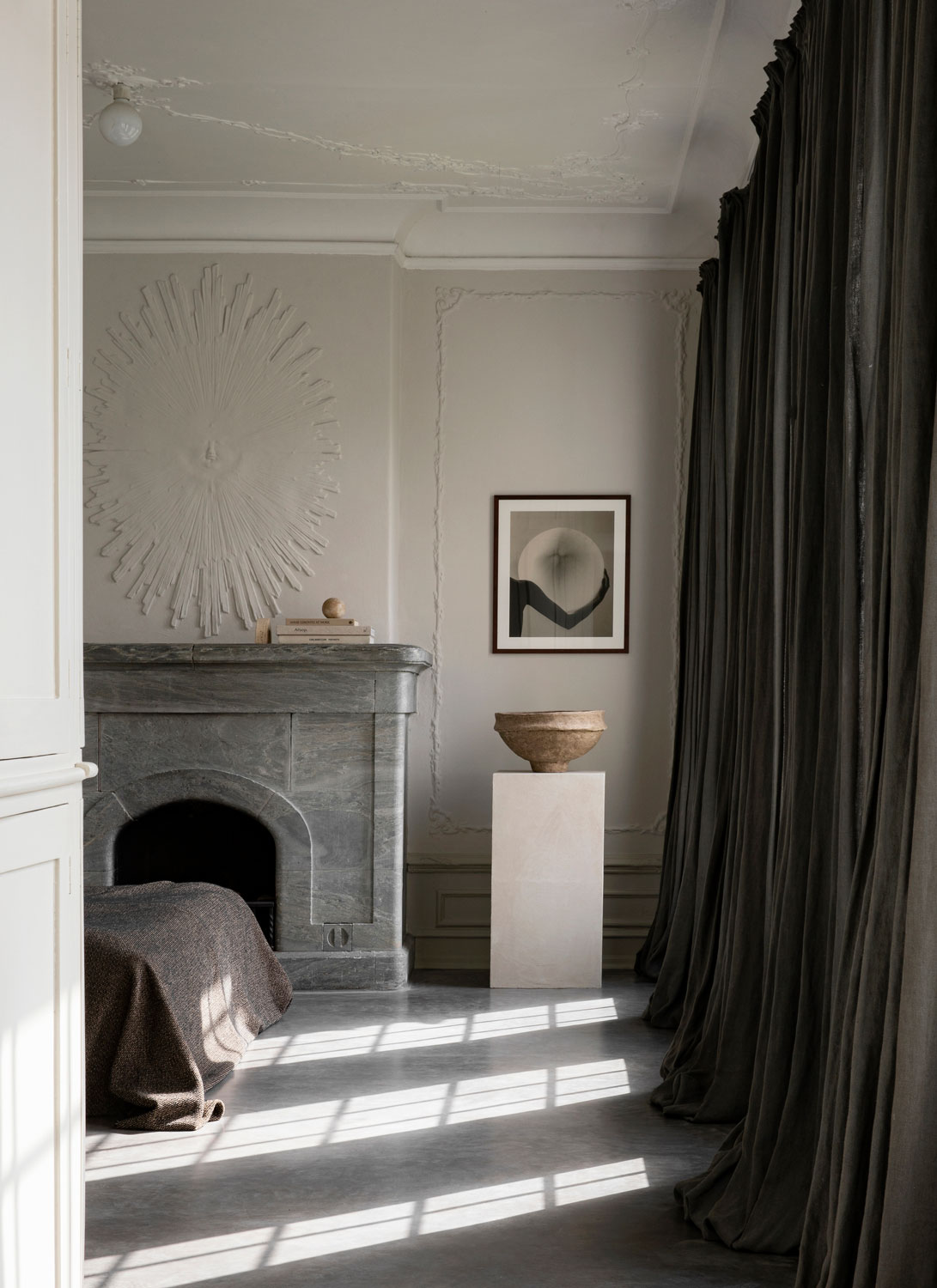
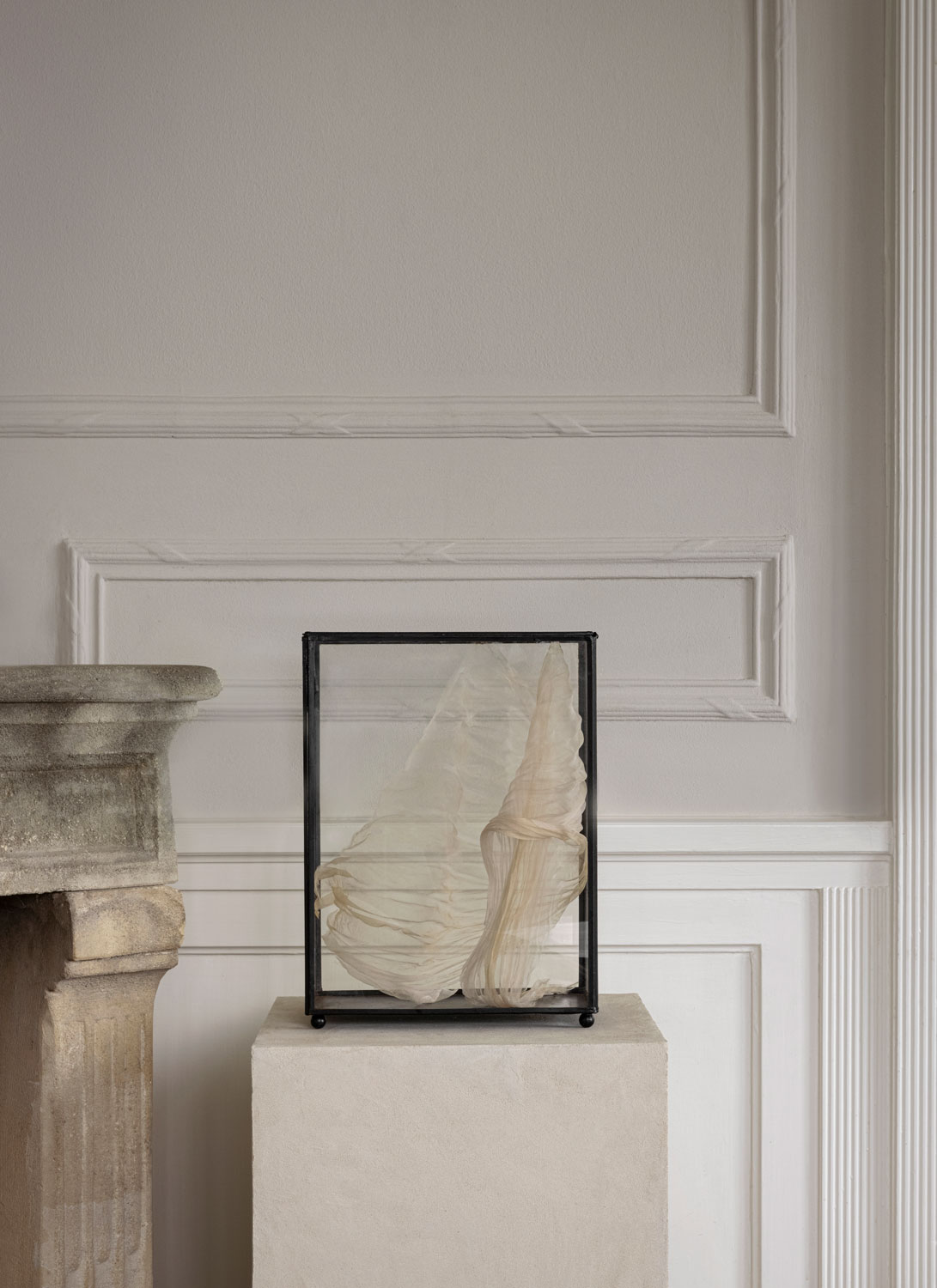
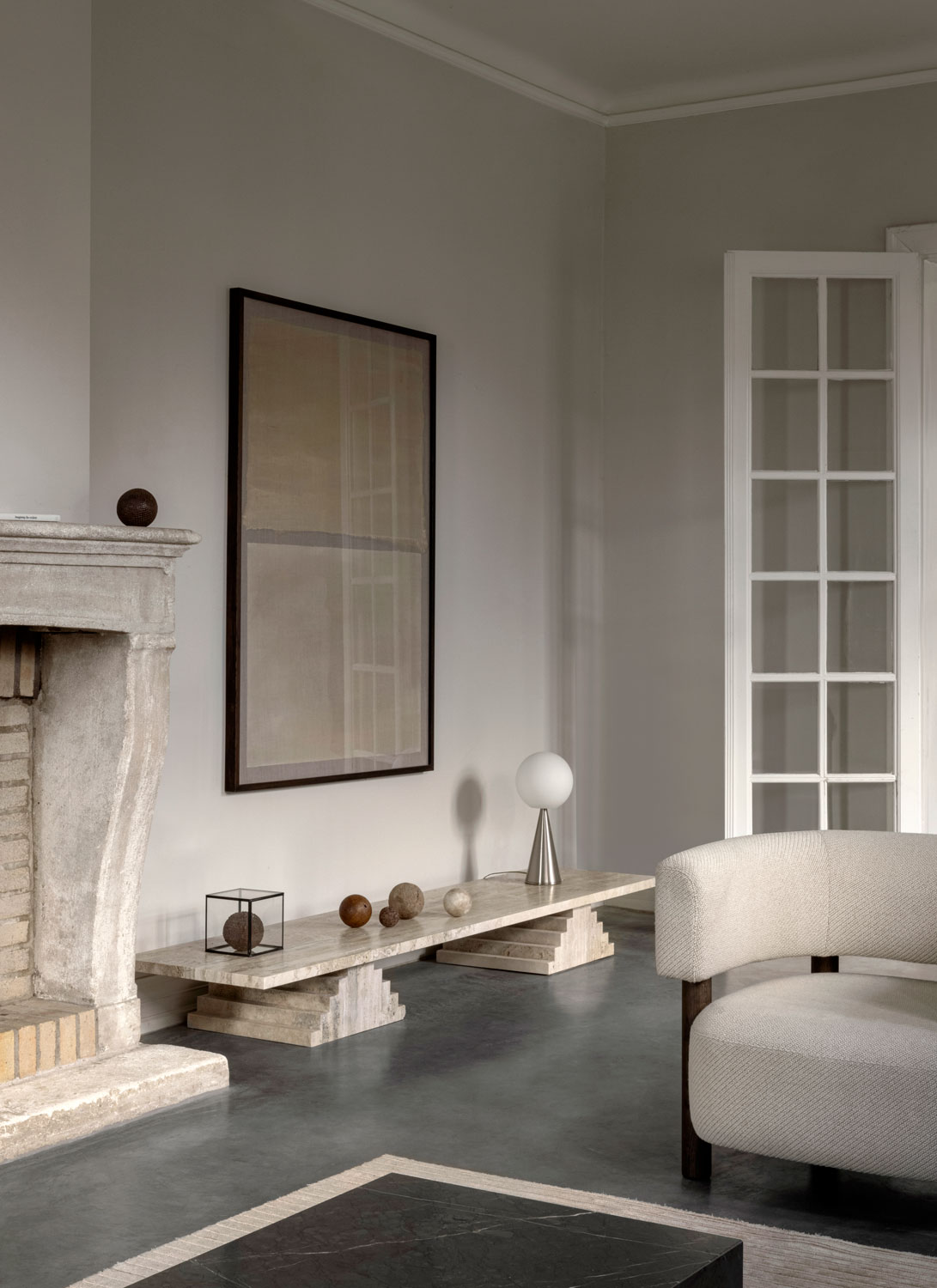
Historic character is met with quiet, contemporary clarity. By pairing preserved details with simple, deliberate interventions, the architecture finds a balanced dialogue between past and present.
Influenced by architectural trends from Southern Germany and Northern Italy, the house was built in a Tyrolean manner, characterized by its steep roofline and wooden balconies facing the water. Its exterior is peculiar rather than conventionally beautiful – rich in character, marked by a distinct personality that sets it apart from its surroundings.
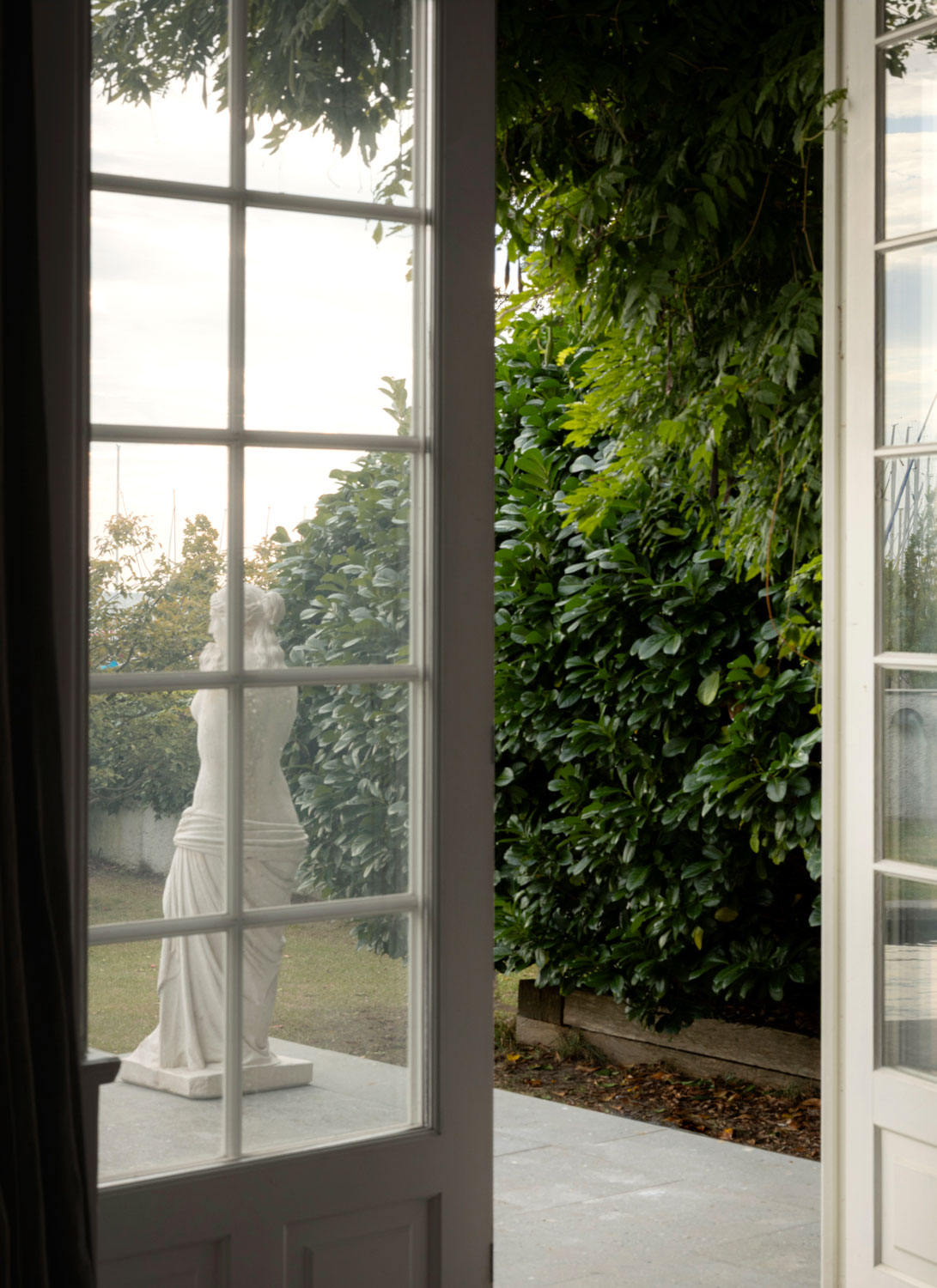
Two years after the original construction, a conservatory – or winter garden – was added to the house in 1913. Today, this space forms part of the bedroom and bathroom wing, adding another layer to the home’s evolving story.
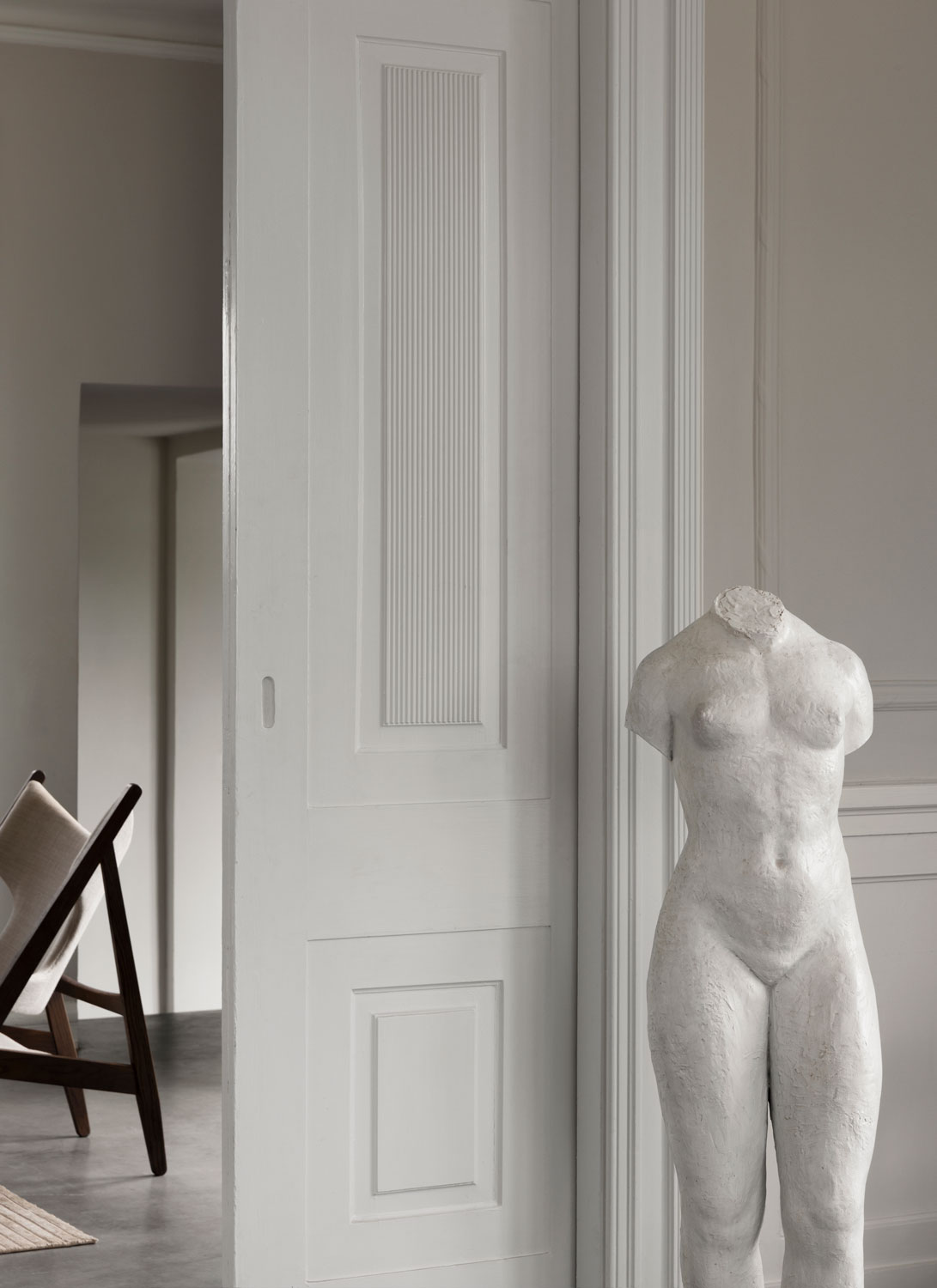
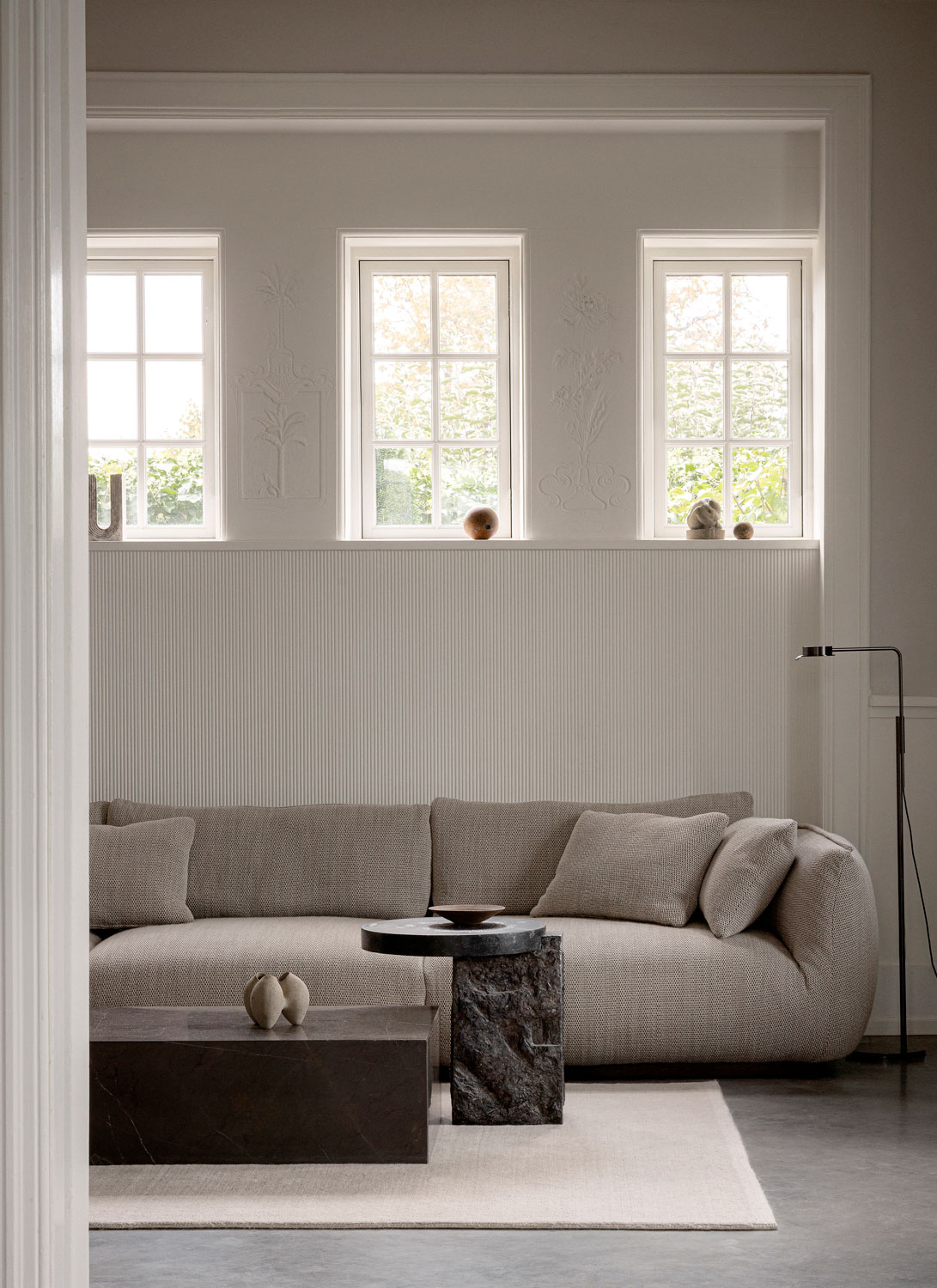
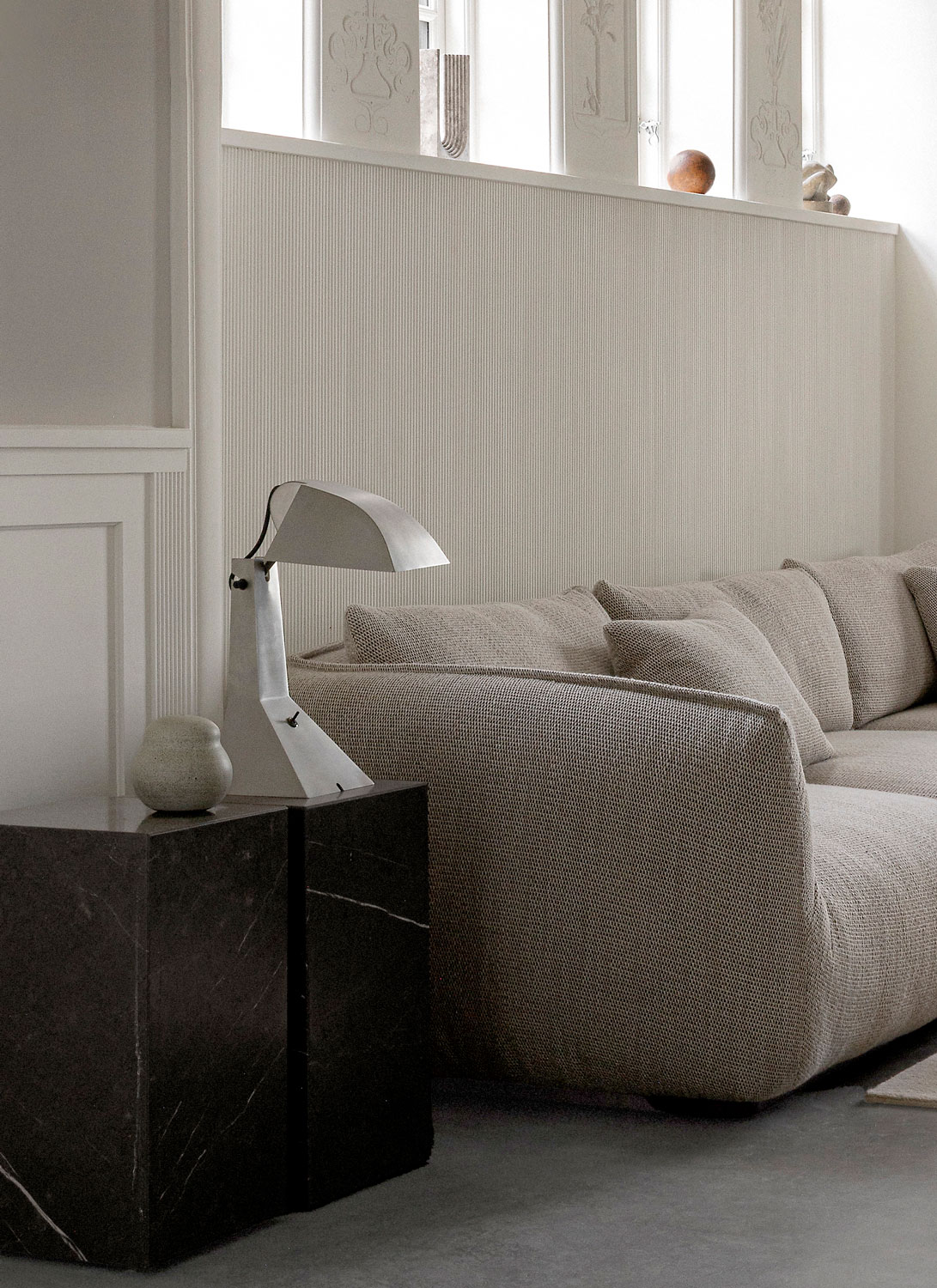
Fritz Johannsen was a well-traveled man, frequently visiting Italy and France, and traces of these journeys can be felt throughout the interiors. The house reveals an eclectic mix of styles and references, where ornamental details shift from neoclassicism to early Art Deco. This layered character gives the interior a sense of narrative richness, shaped not by a single vision but by a life lived across places, cultures, and aesthetic influences.
While rich in narrative, this layered history and eclectic character had over the years turned the house into a patchwork of styles and alterations. The journey toward the cohesive and balanced home it is today was therefore a demanding one.
Seven different floor types were found layered throughout the house, and a later addition at the rear felt disconnected from the original structure when experienced from within. Now, the house is stripped back to its essence – removing nearly everything and beginning again, while carefully preserving the most beautiful original details and ornaments.
As Jonas Bjerre-Poulsen of Norm Architects explains: “I think it’s extremely important to identify the most important and striking elements of a historic building and then use simple, contemporary elements to underline and emphasize those qualities.”
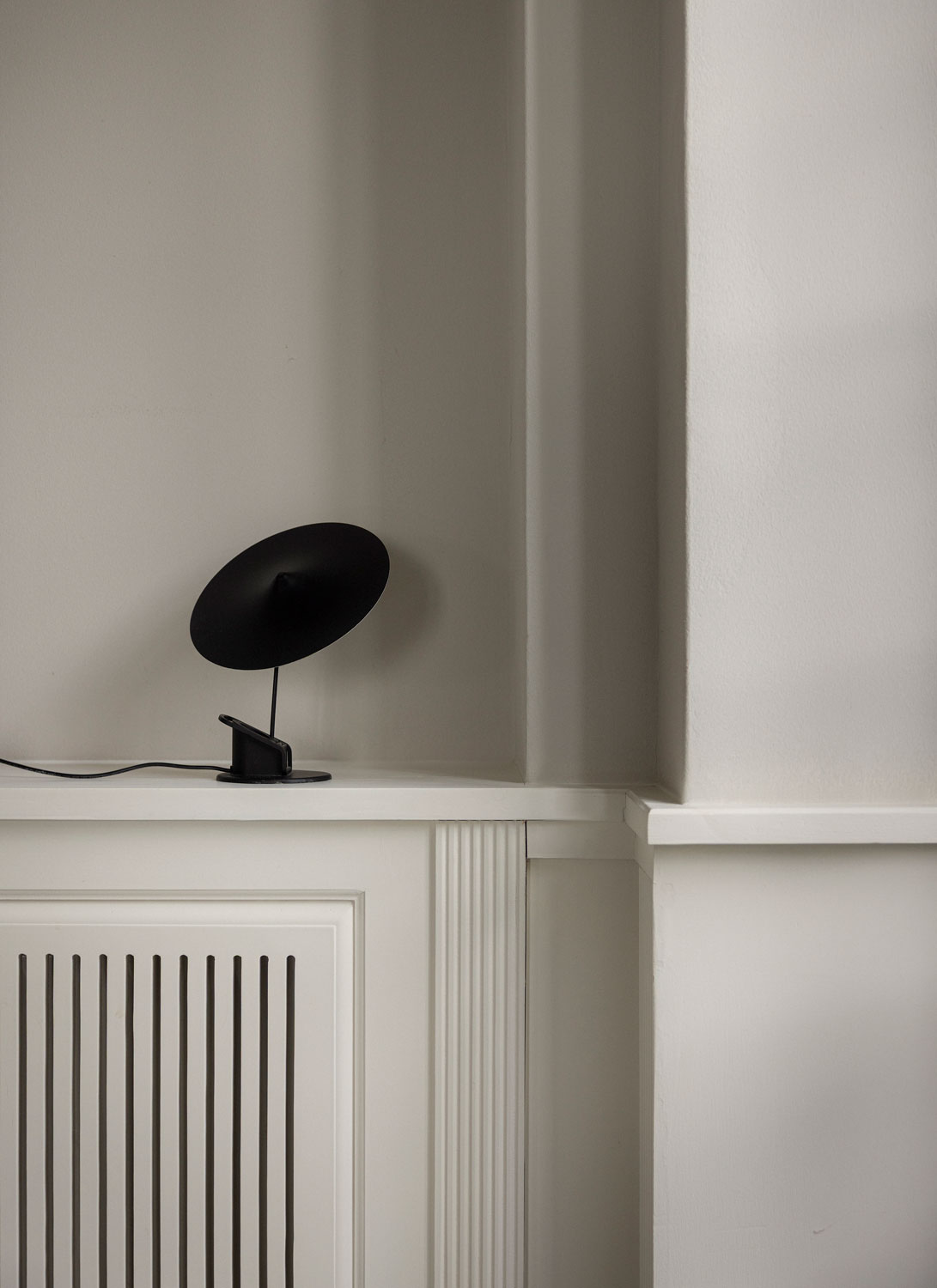
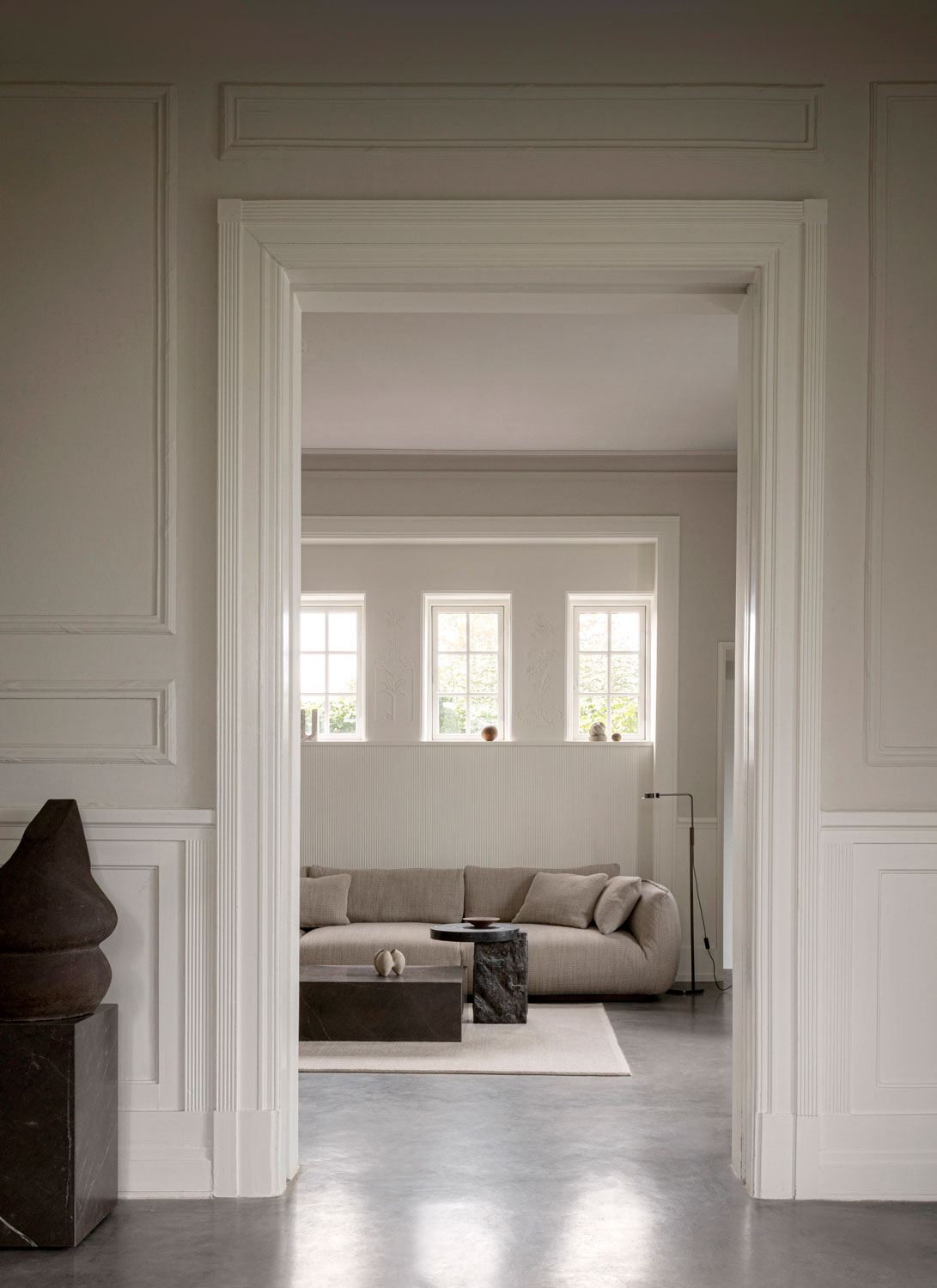
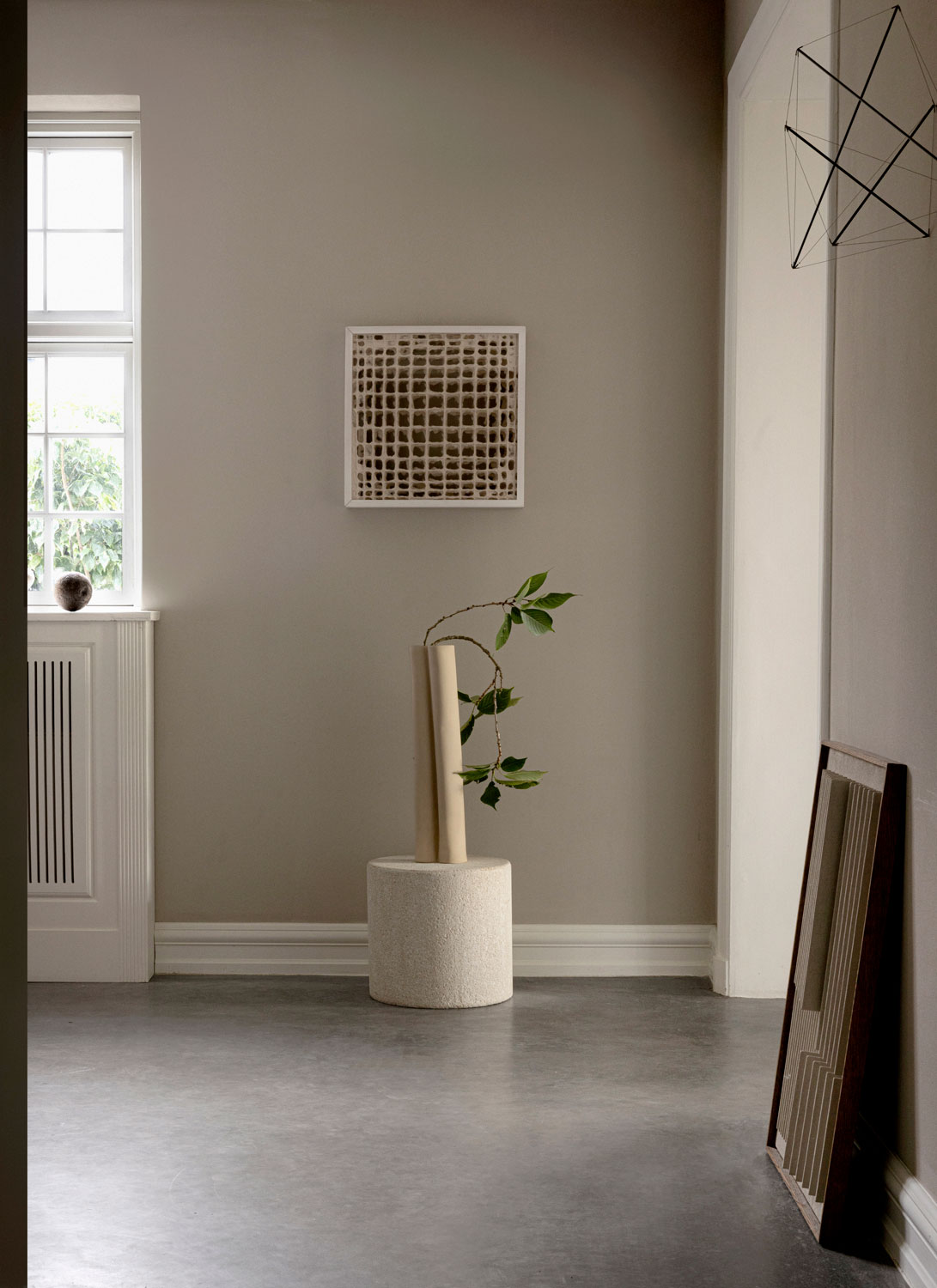
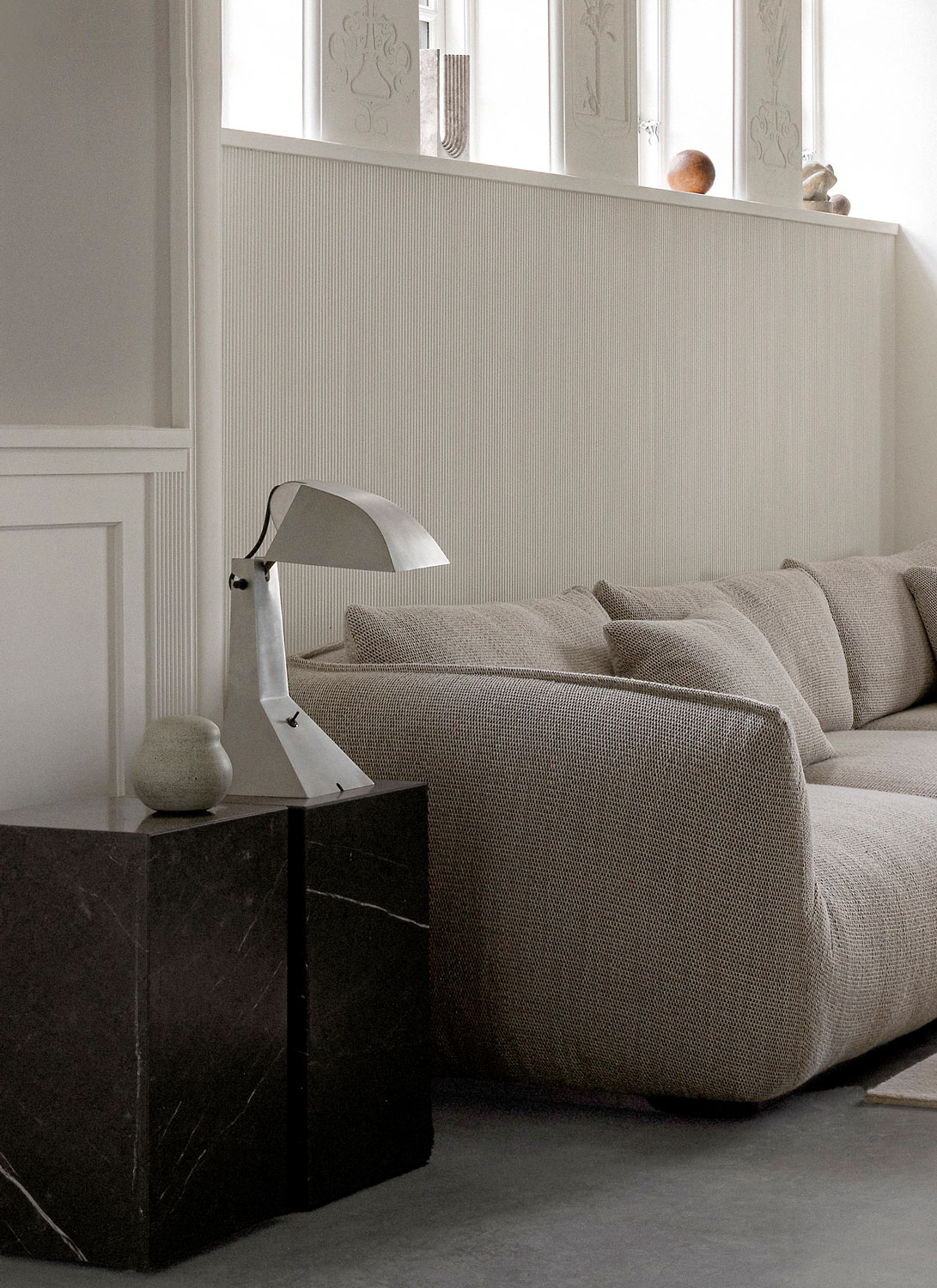
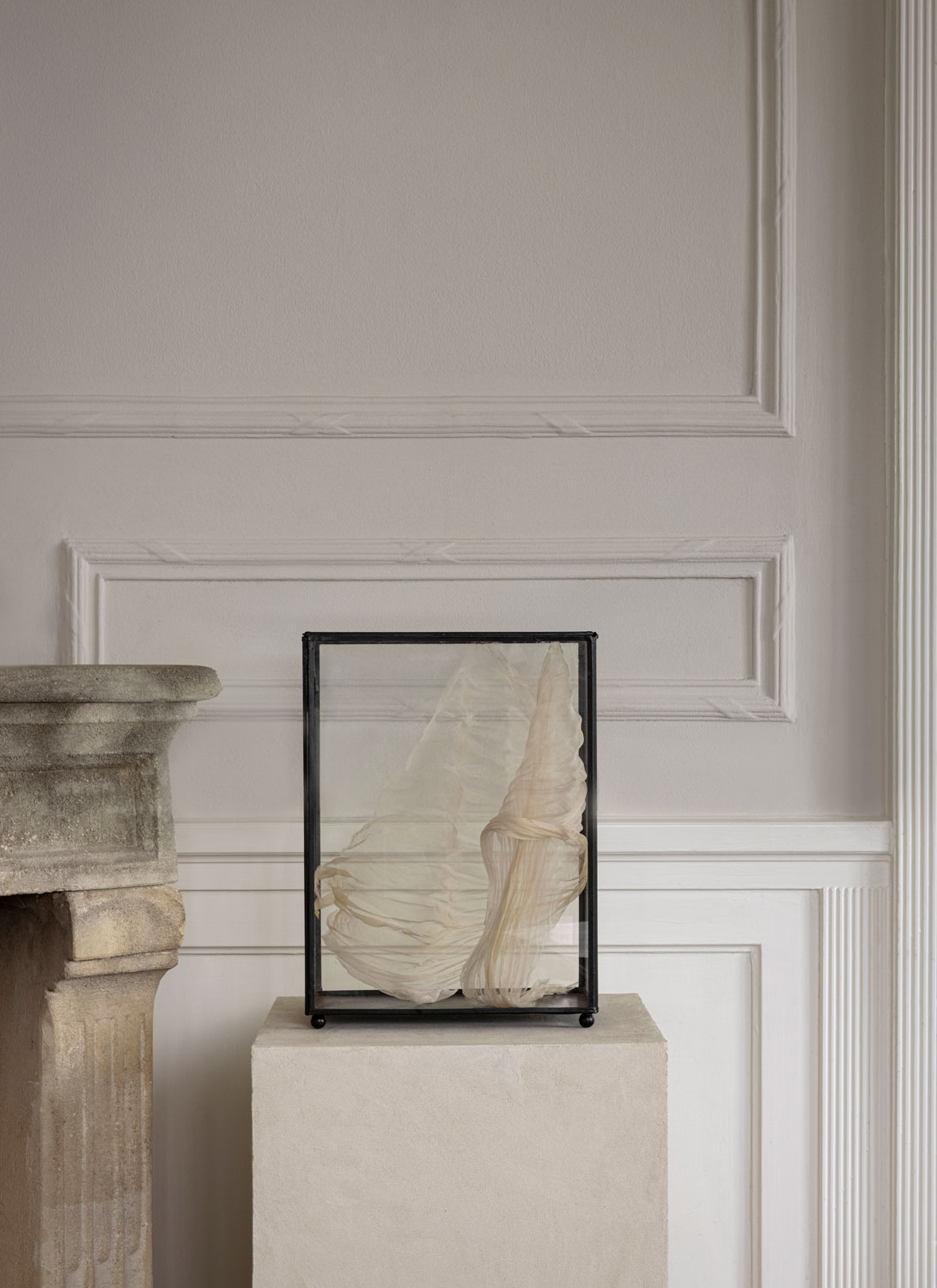
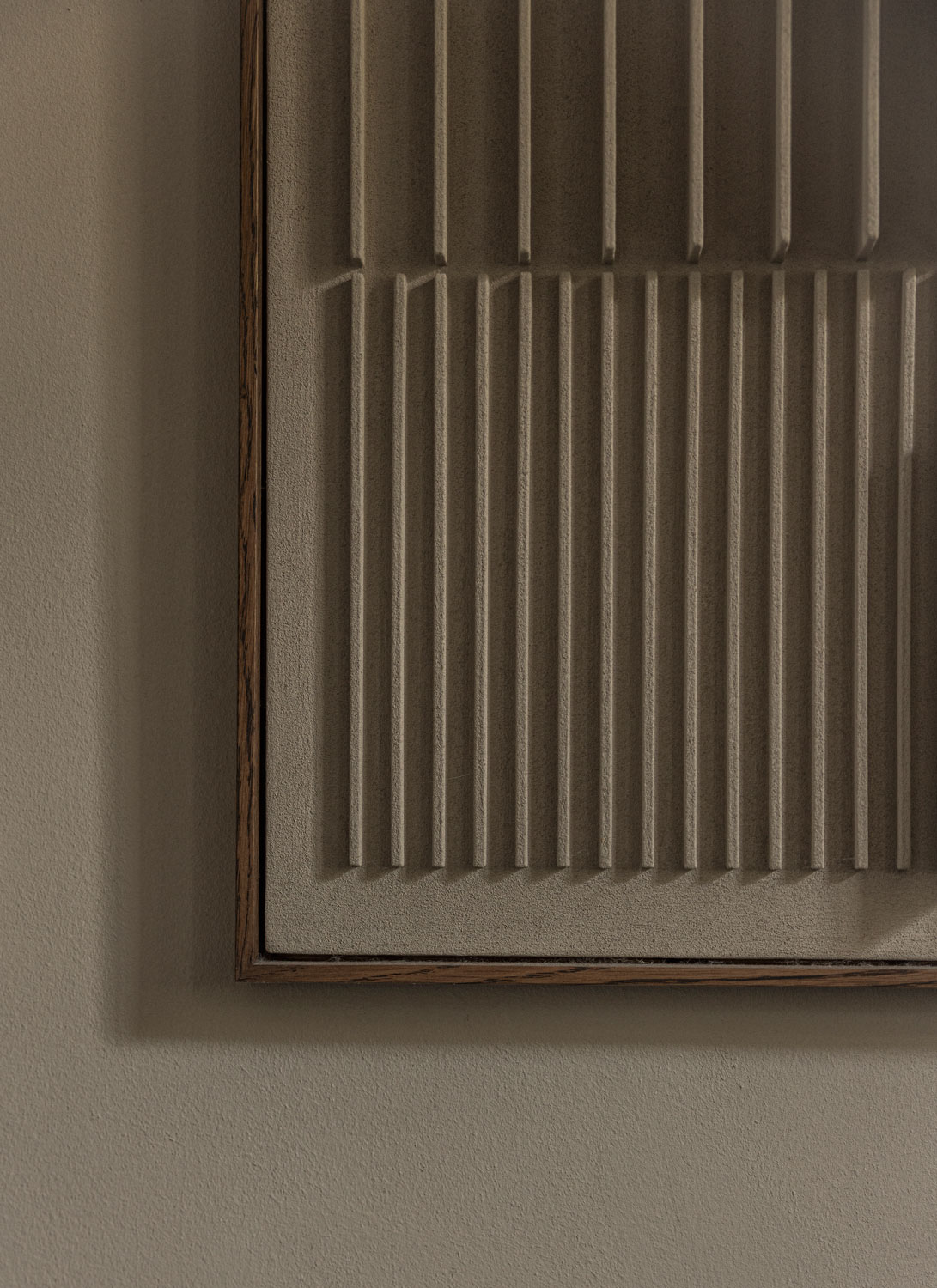
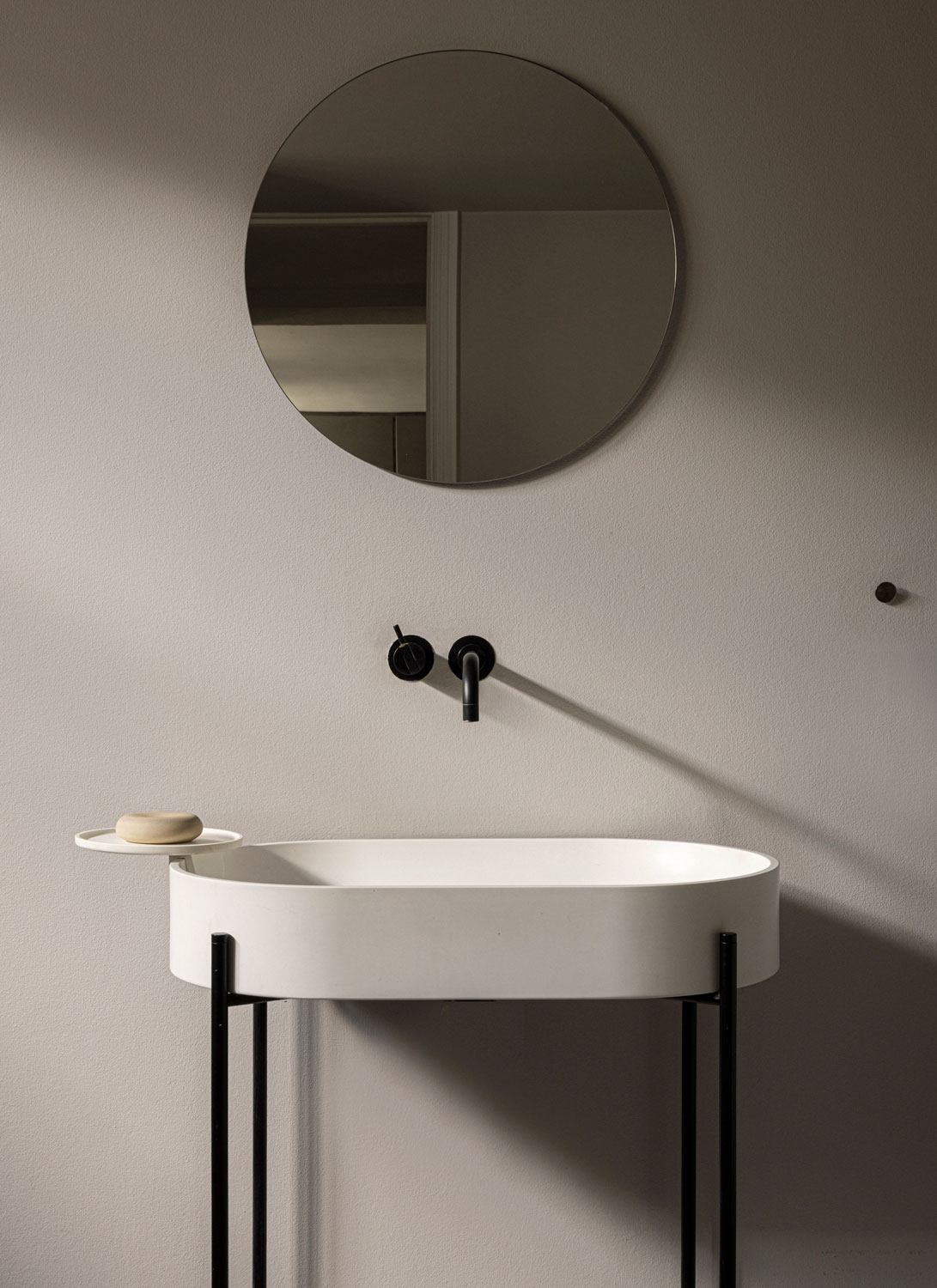
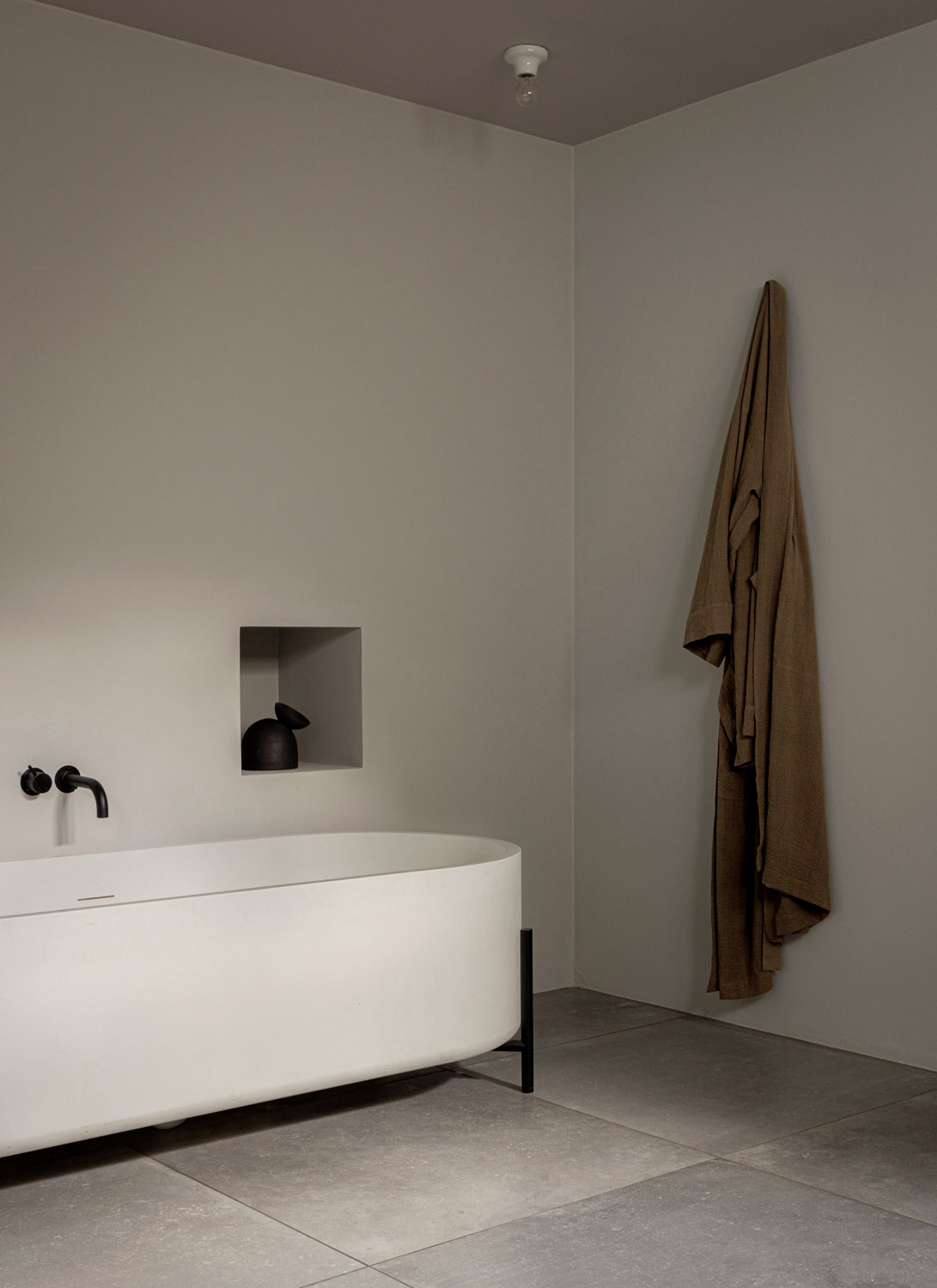
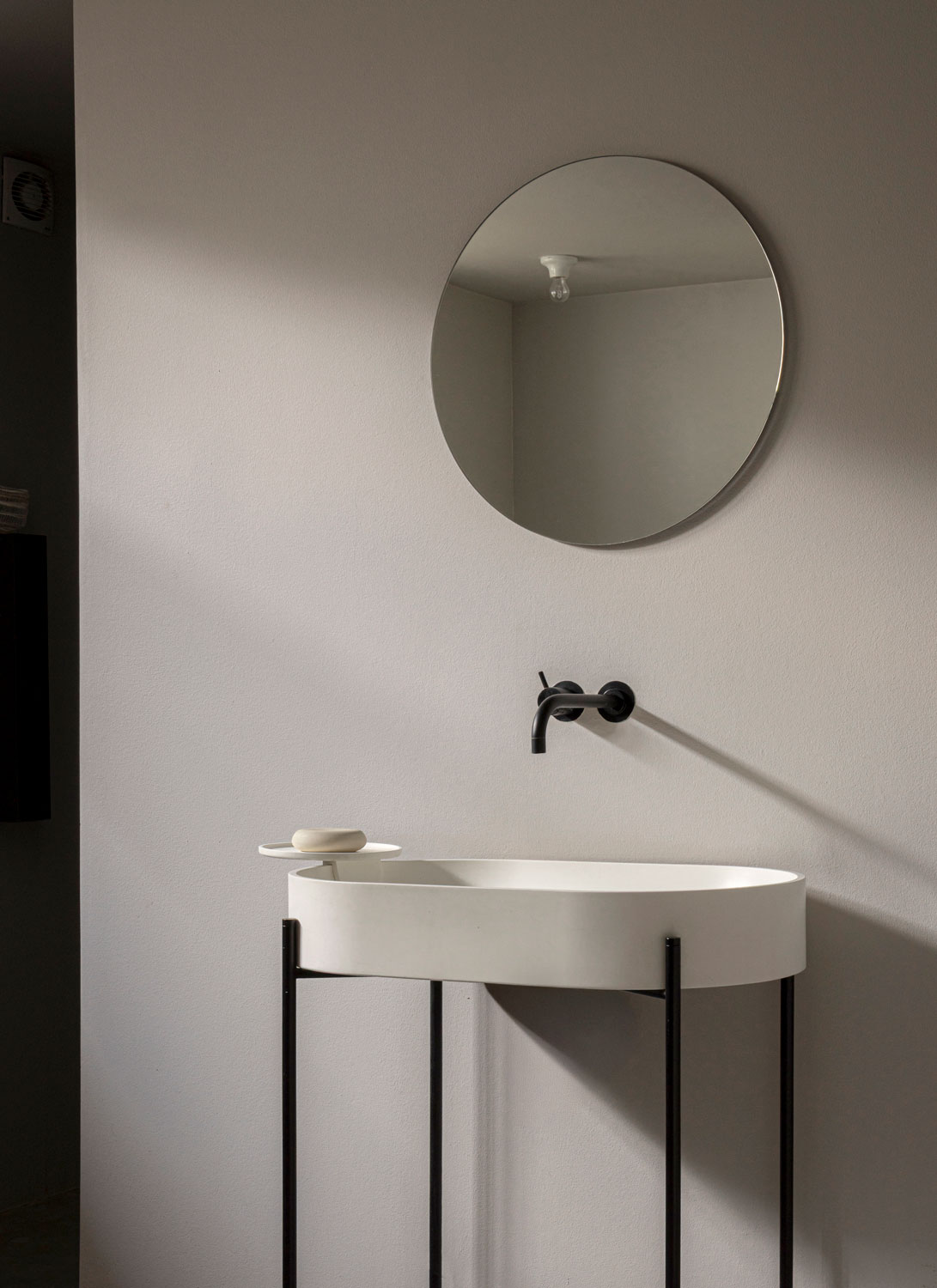
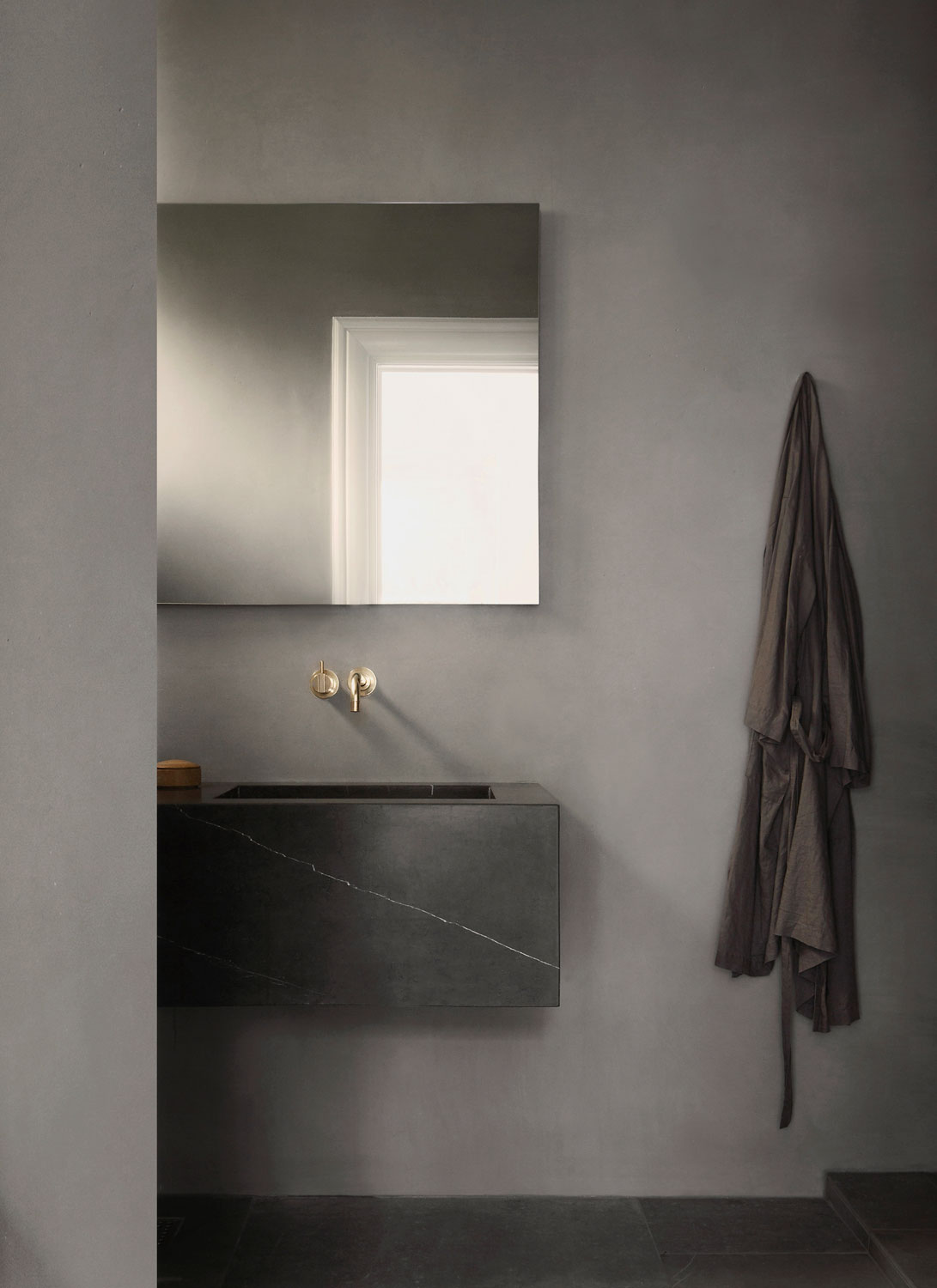
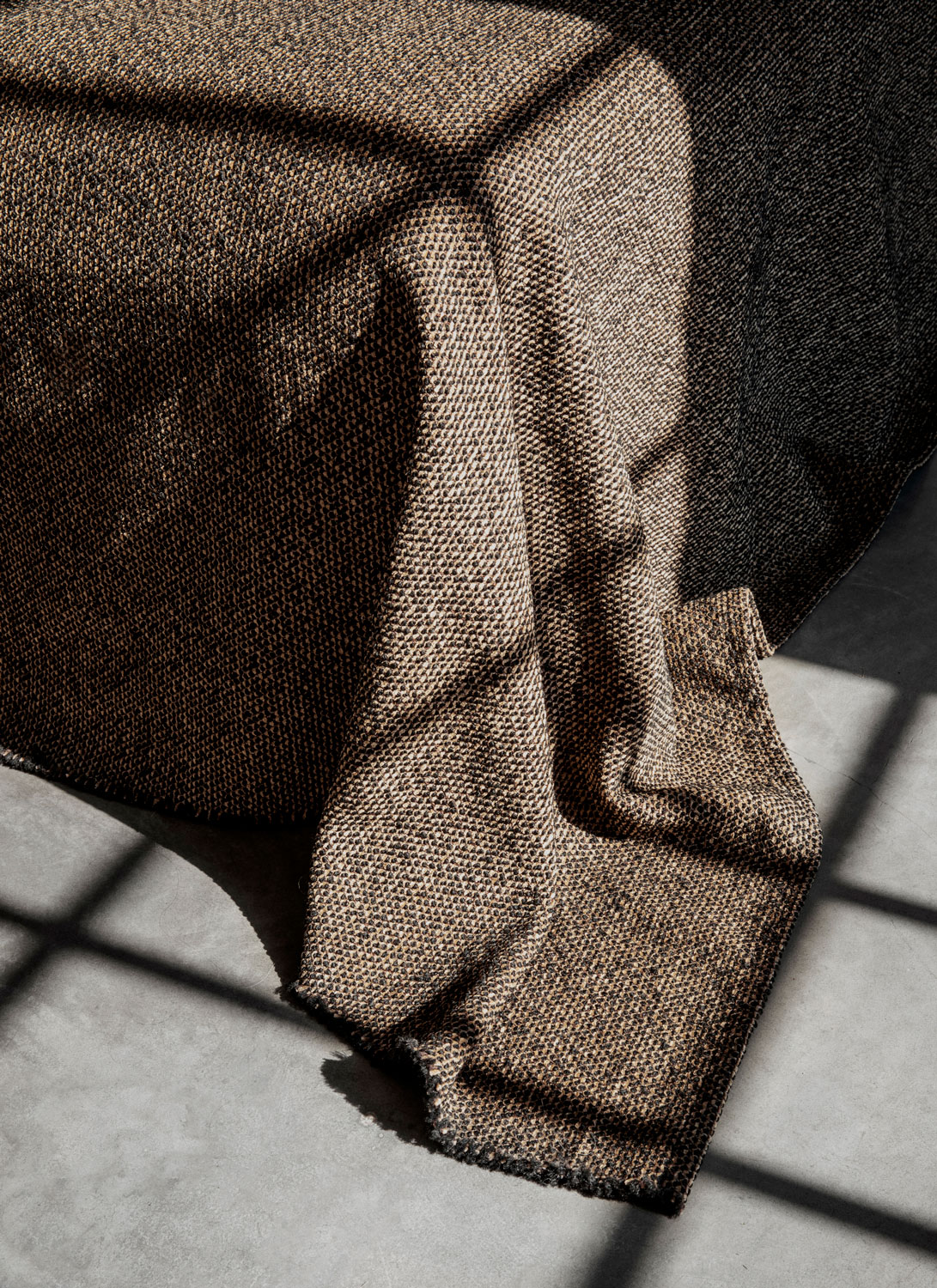
A careful interplay of materials and textures creates a rich, tactile atmosphere – proving that a stimulating home can be shaped through nuance rather than excess.
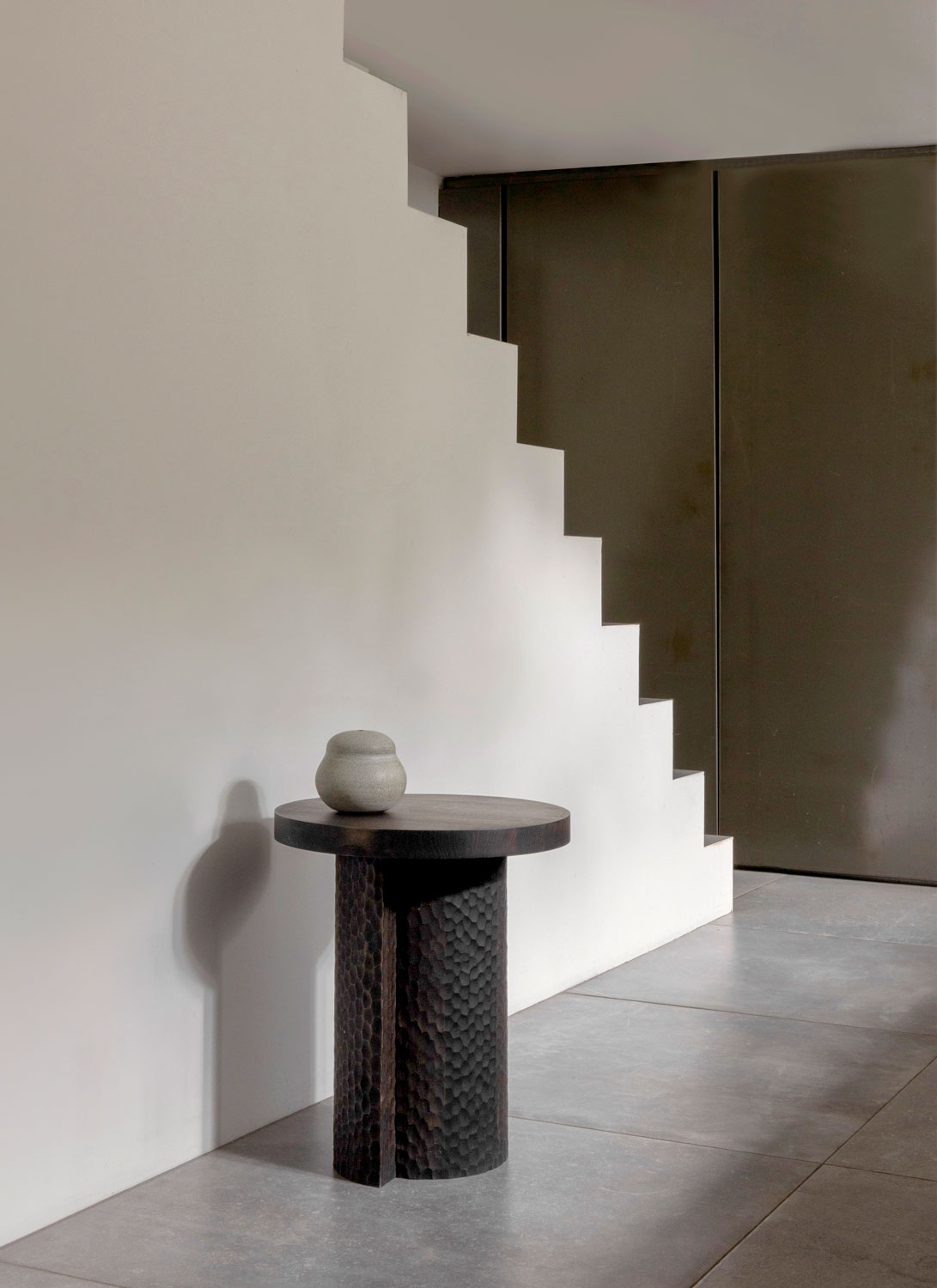
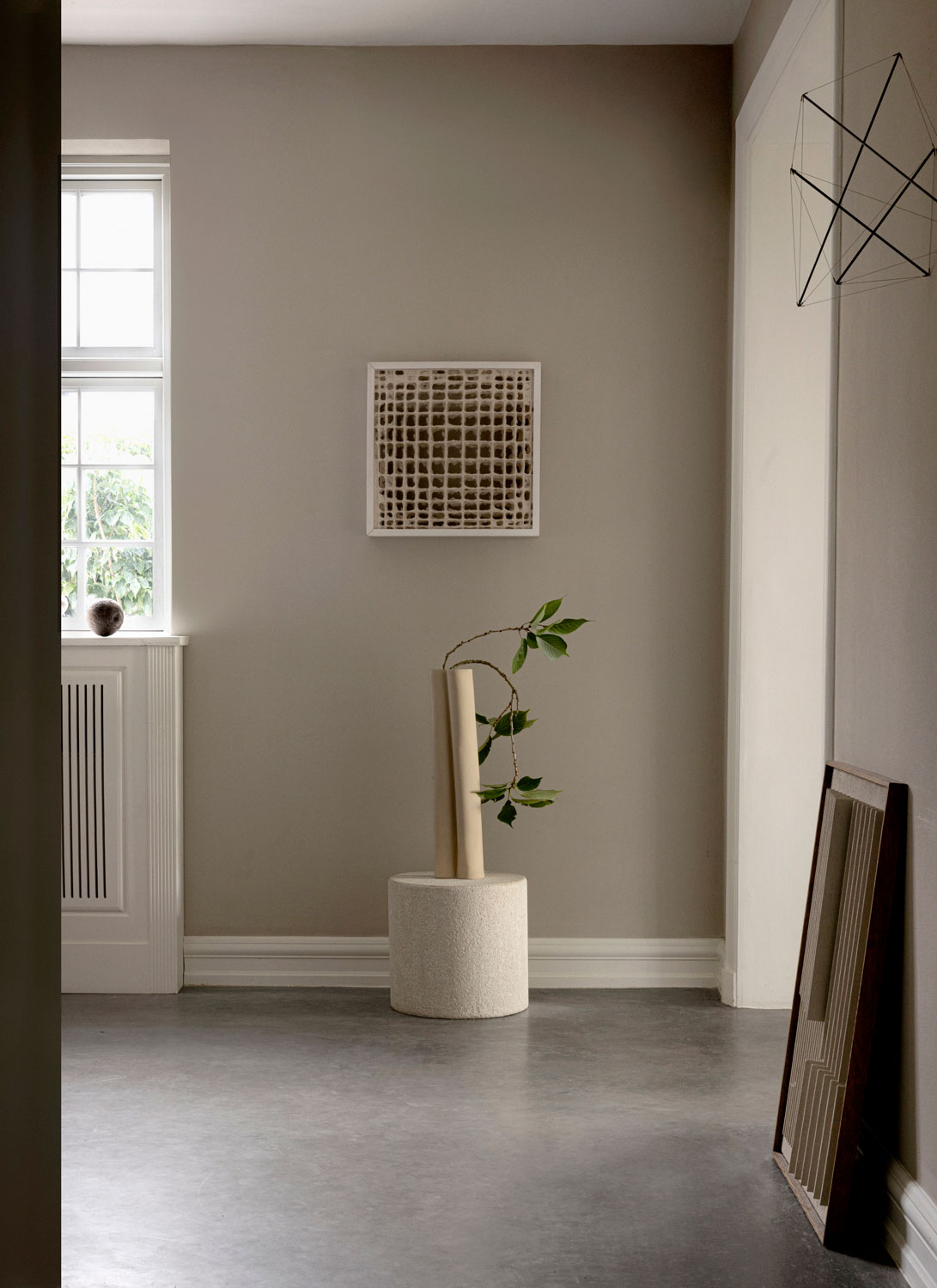
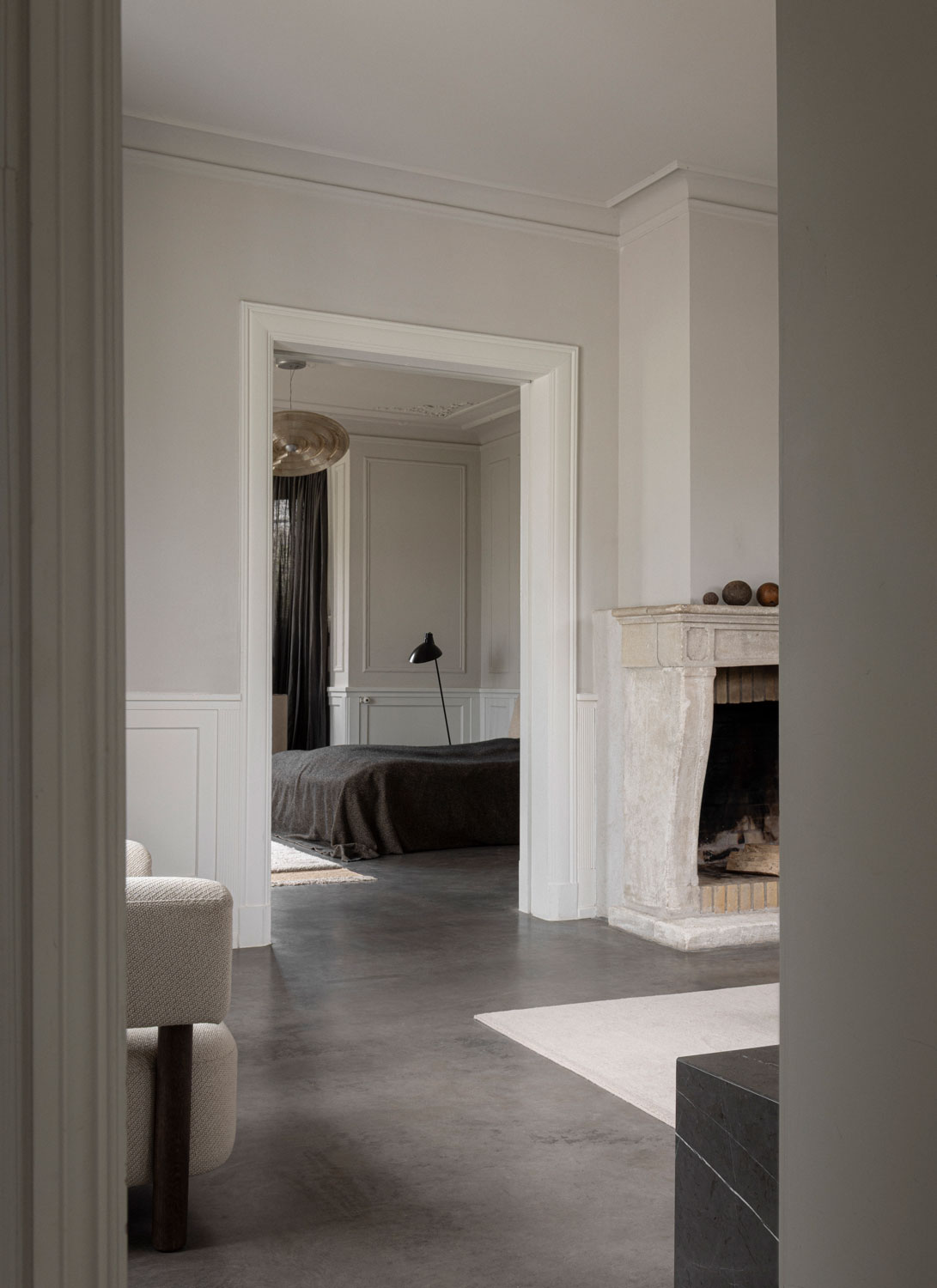
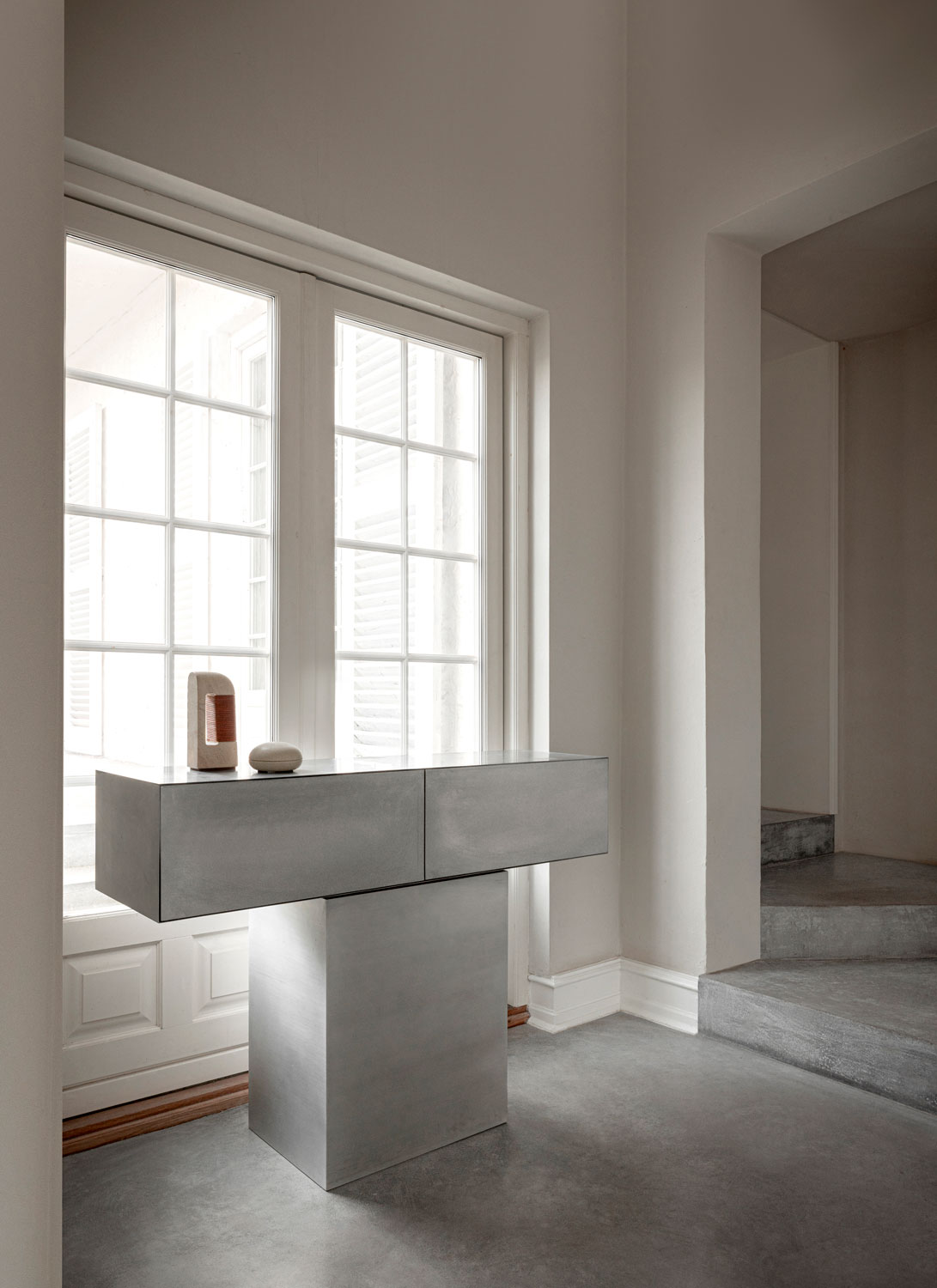
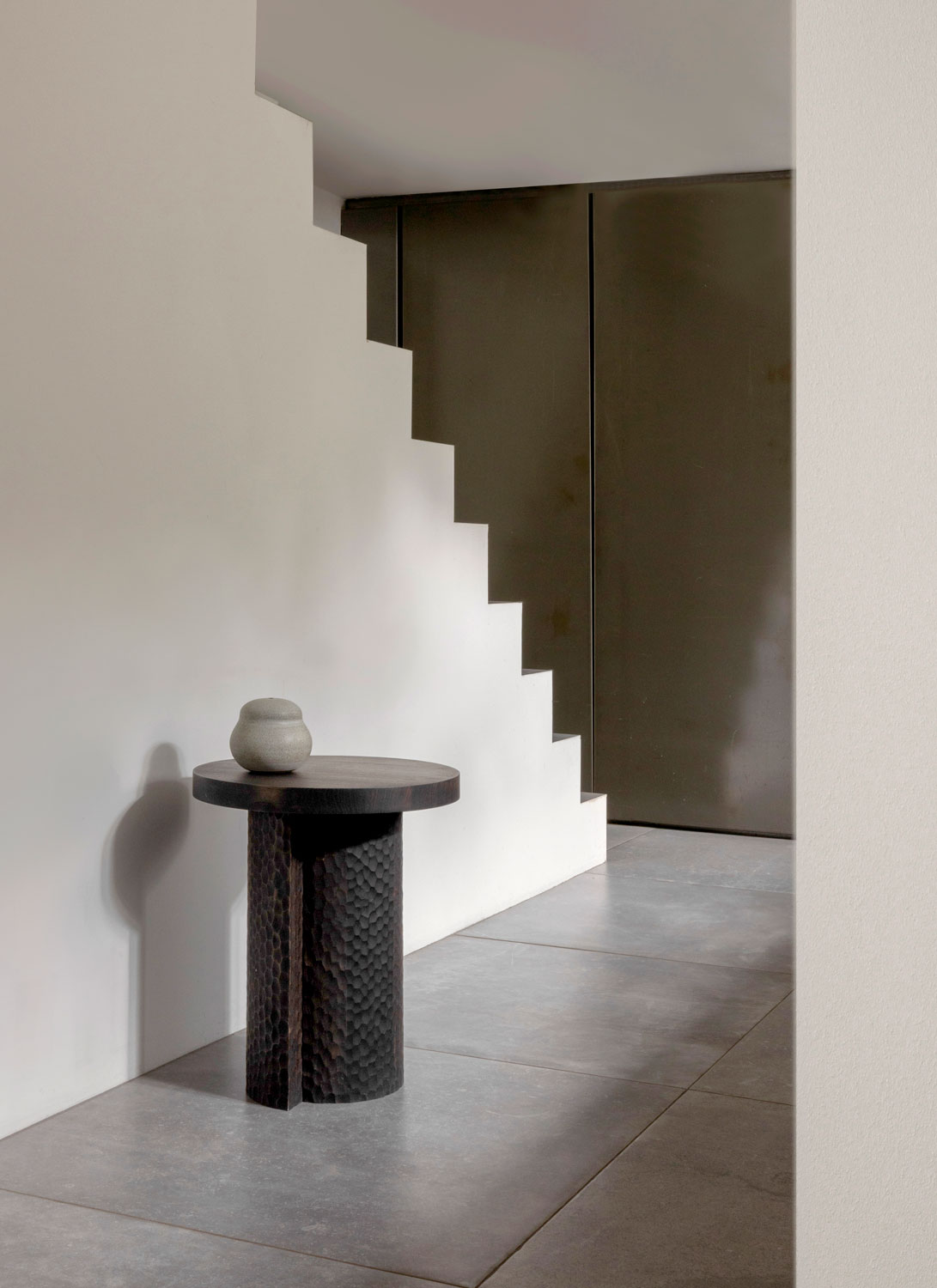
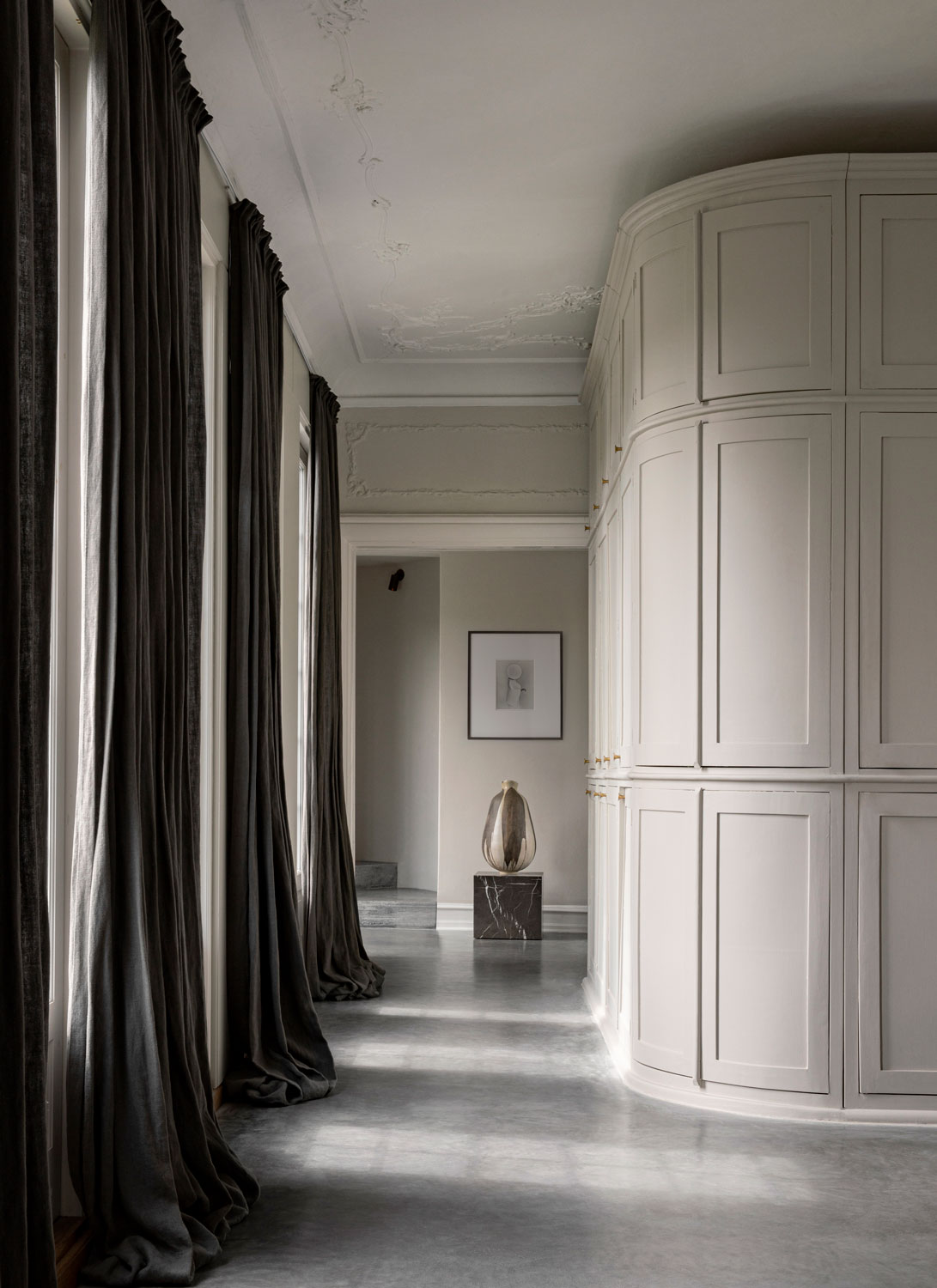
Existing floors were removed, surfaces levelled, and a continuous magnesite floor was introduced throughout the house. This material offers an understated, industrial counterpoint to the ornamented historic walls and ceilings, while subtly referencing the Italian Stucco Lustro technique with its marble-like depth and tactility. This intervention helped unify the interiors and bring renewed attention to the home’s original decorative features.
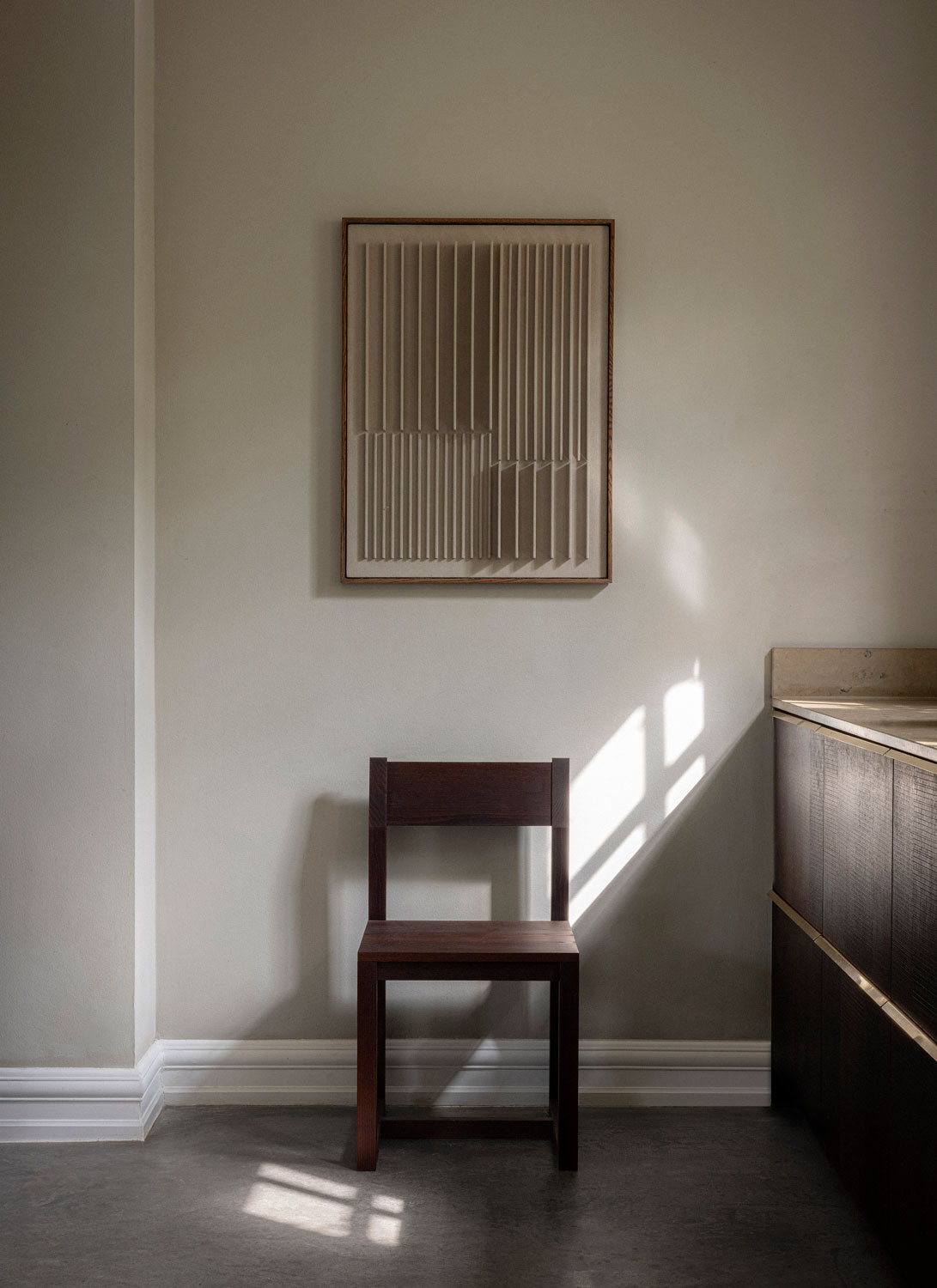
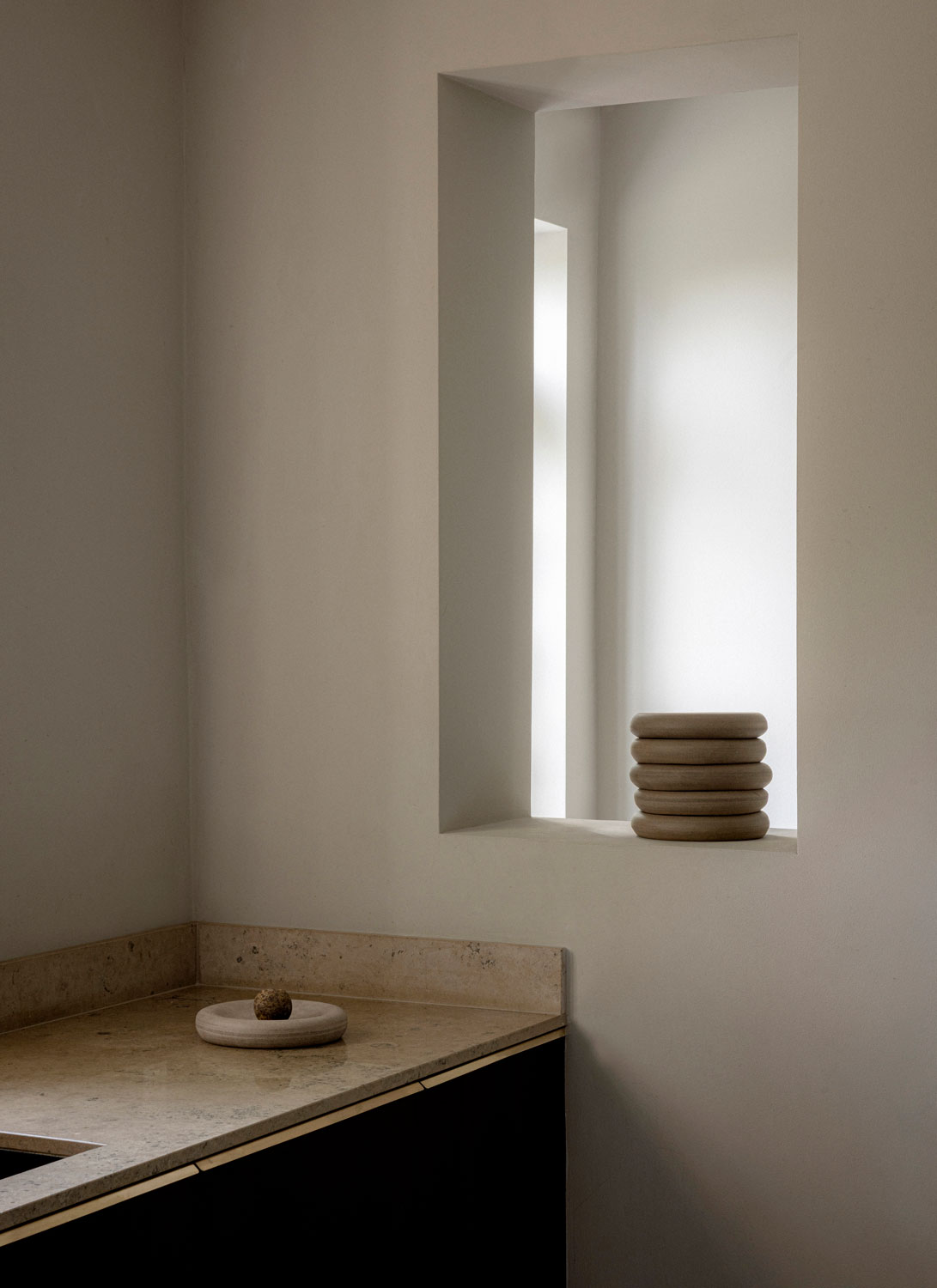
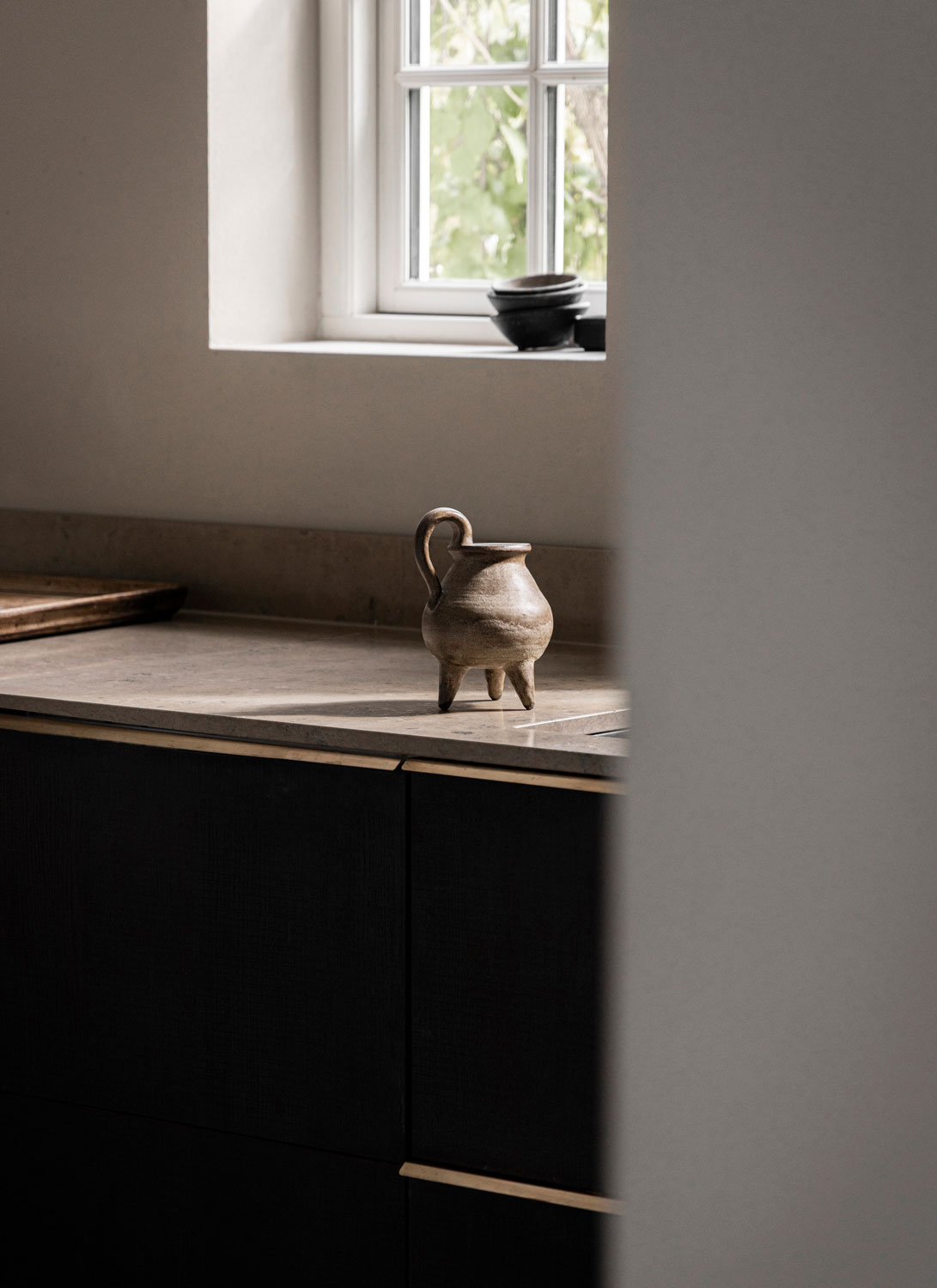
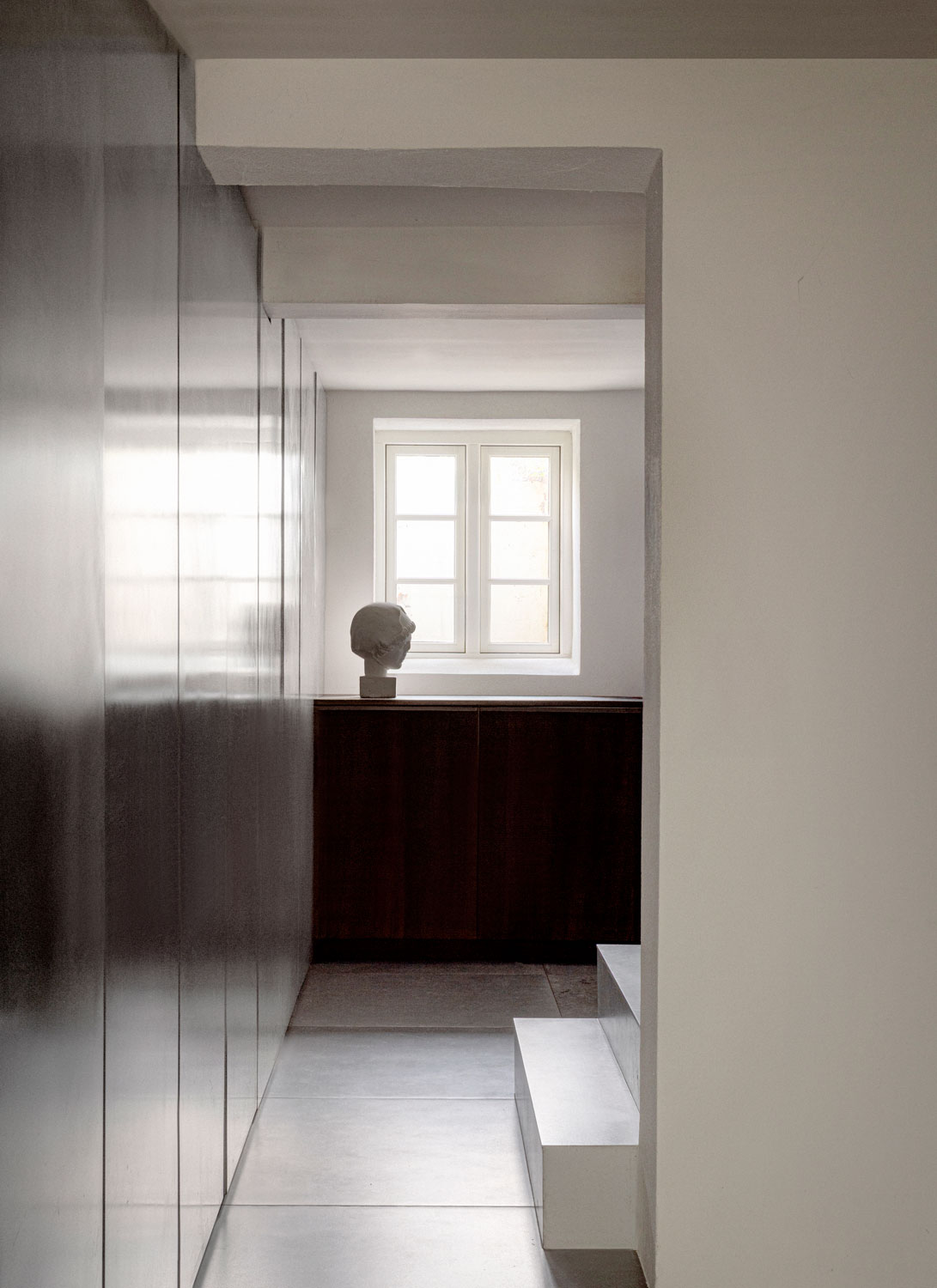
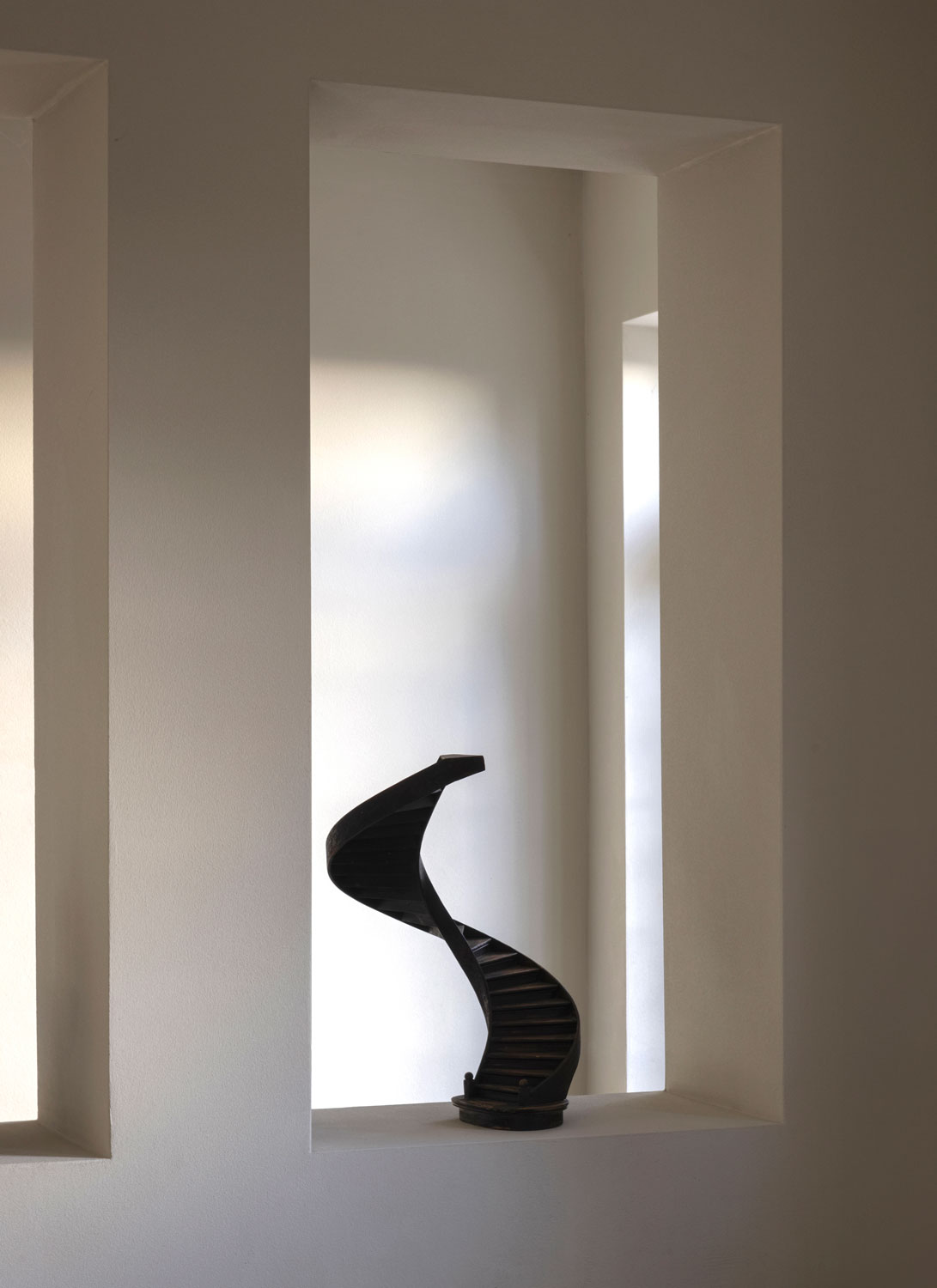
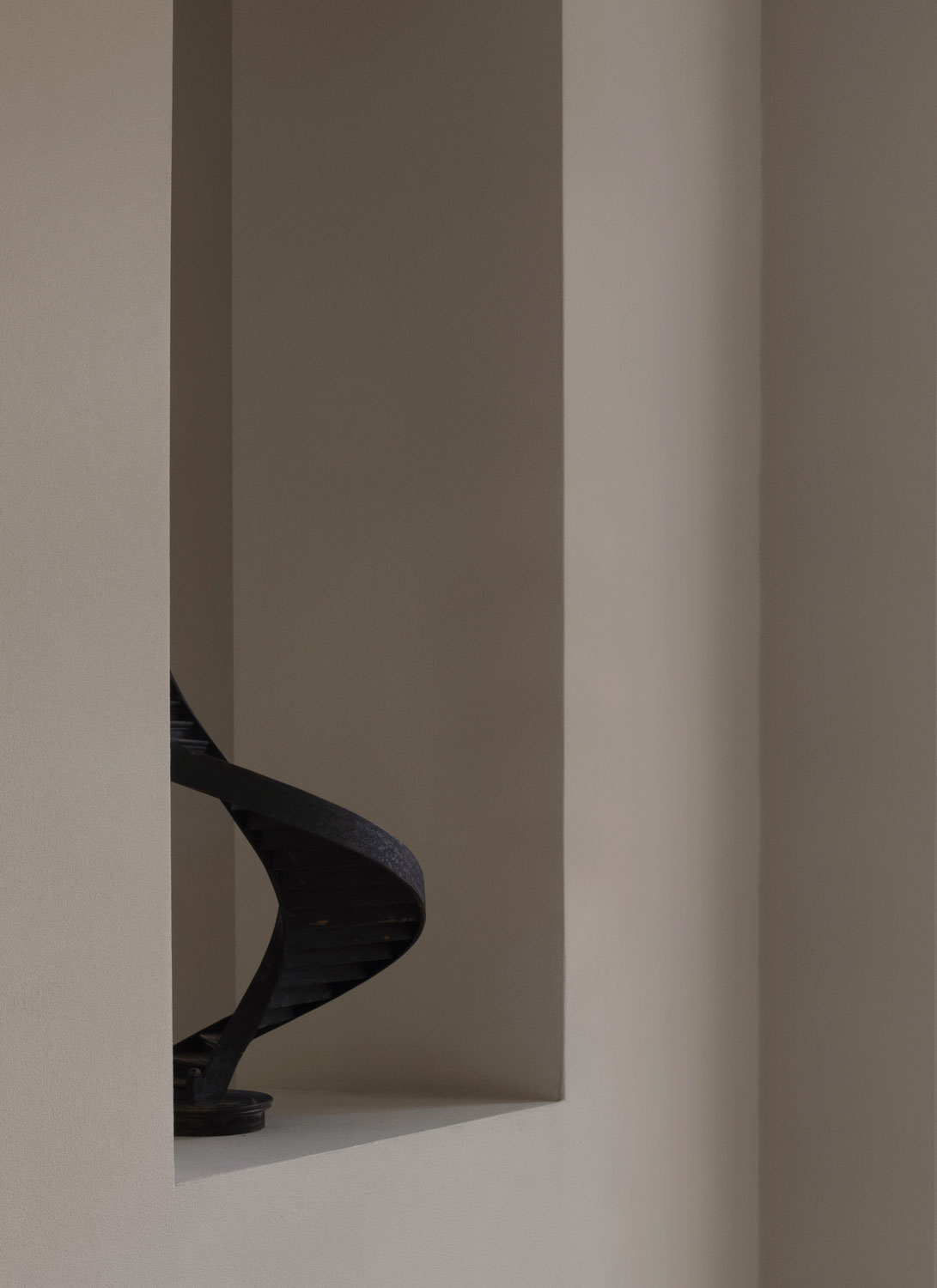
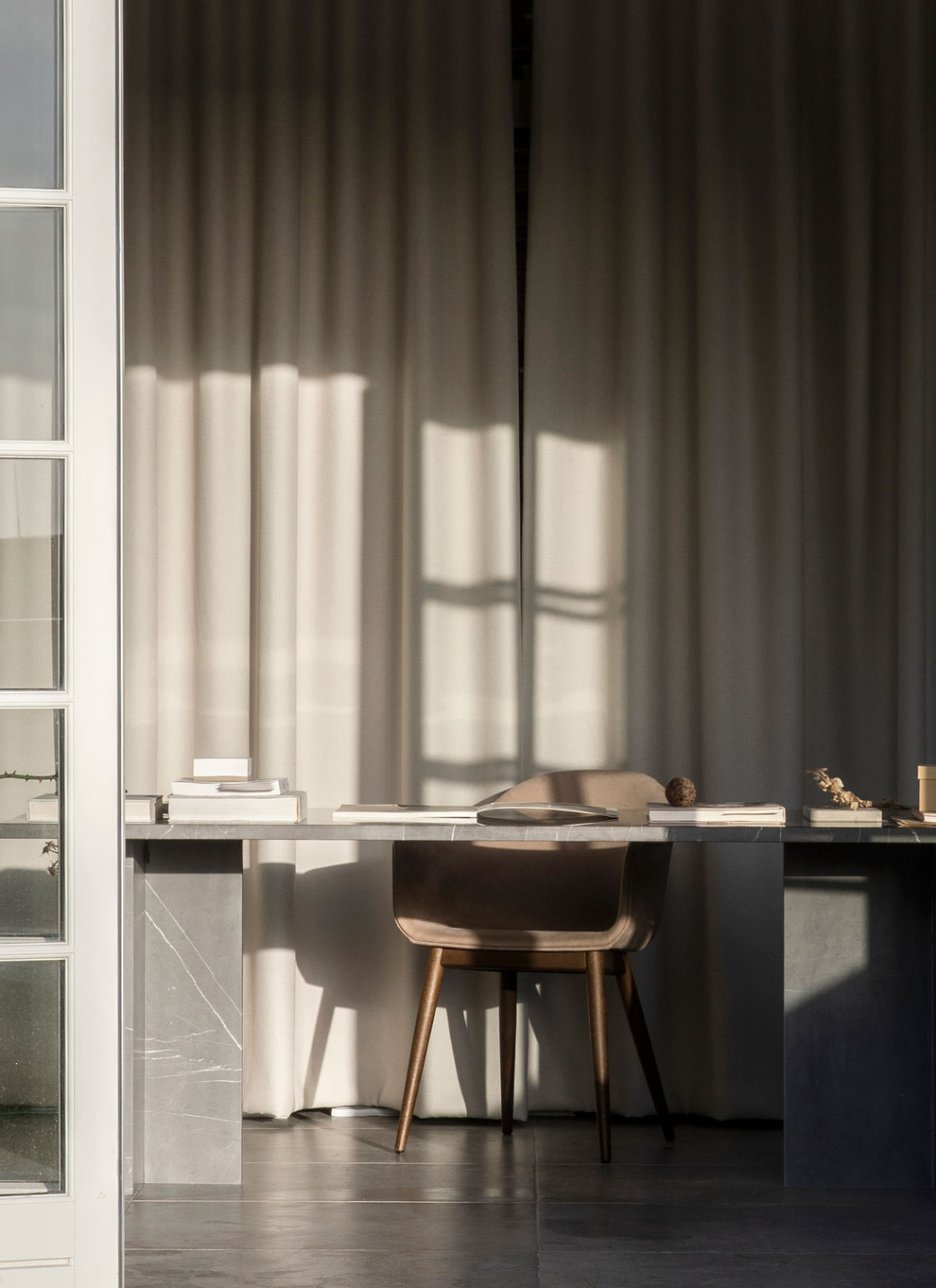
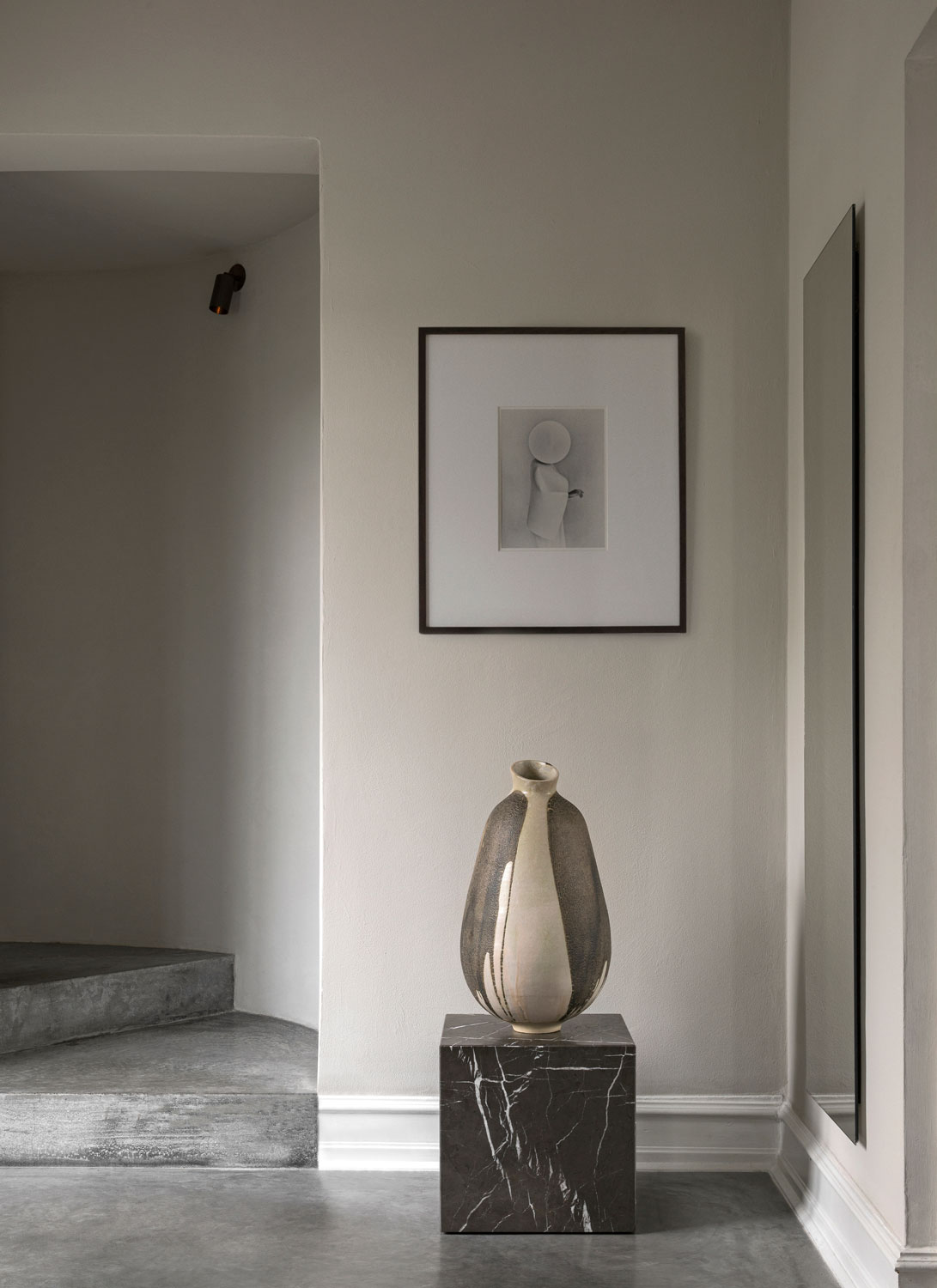
To further enhance the spatial experience, niches were carved into selected walls, allowing daylight to pass through the otherwise darker rooms. As the light moves through the house, it gently reveals textures, details, and surfaces along its path, creating a more dynamic and sensorial interior environment.
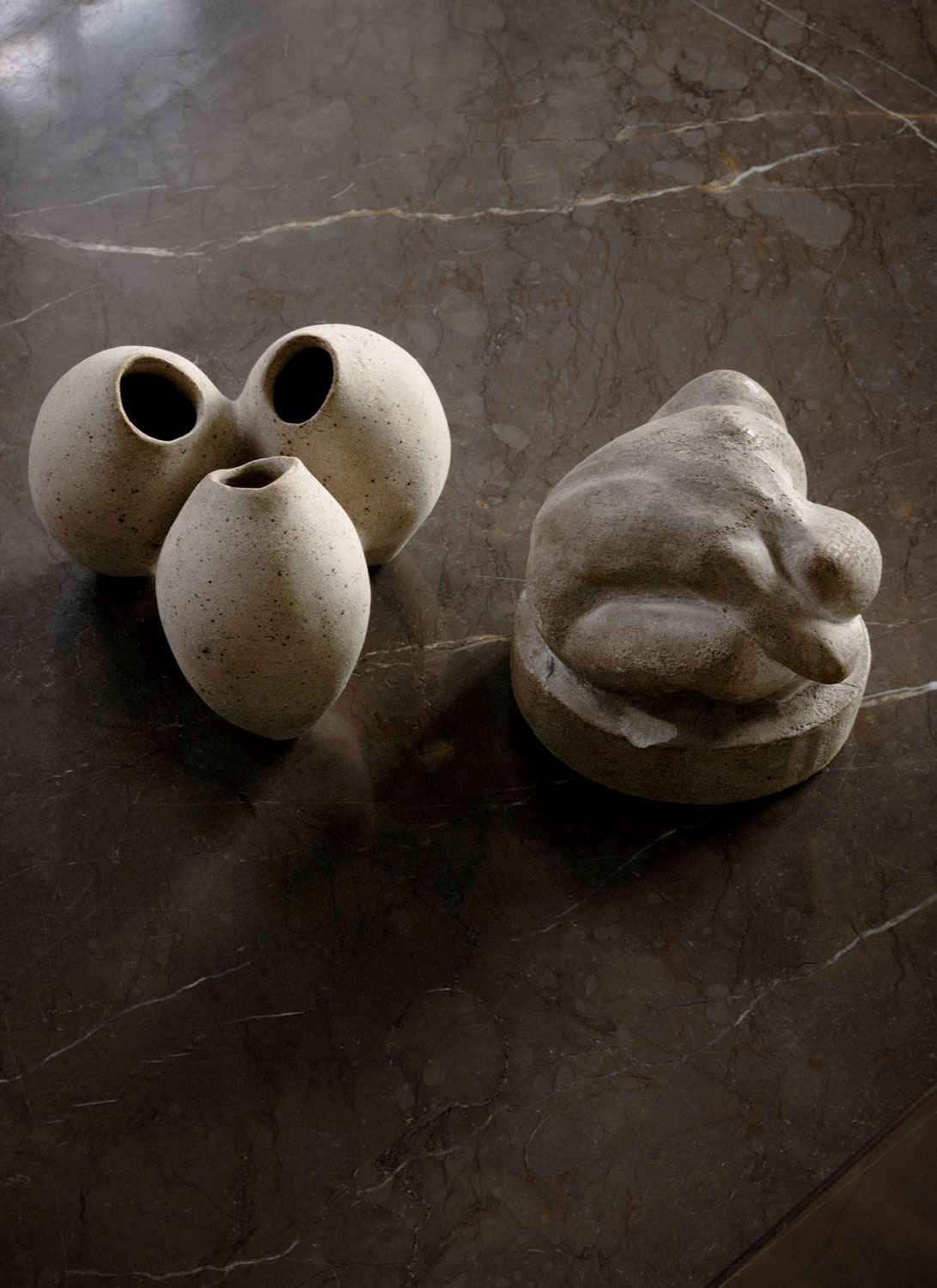
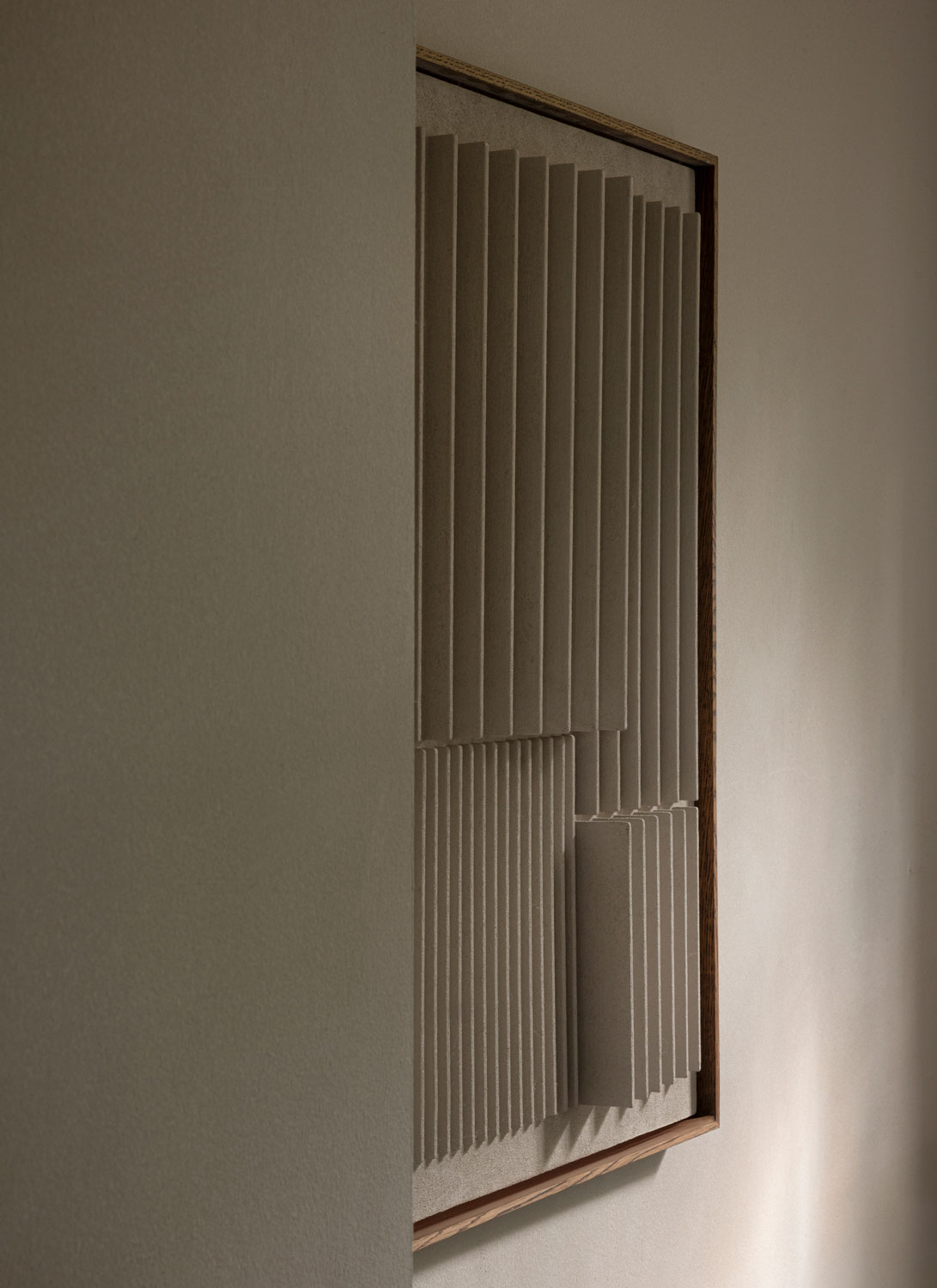
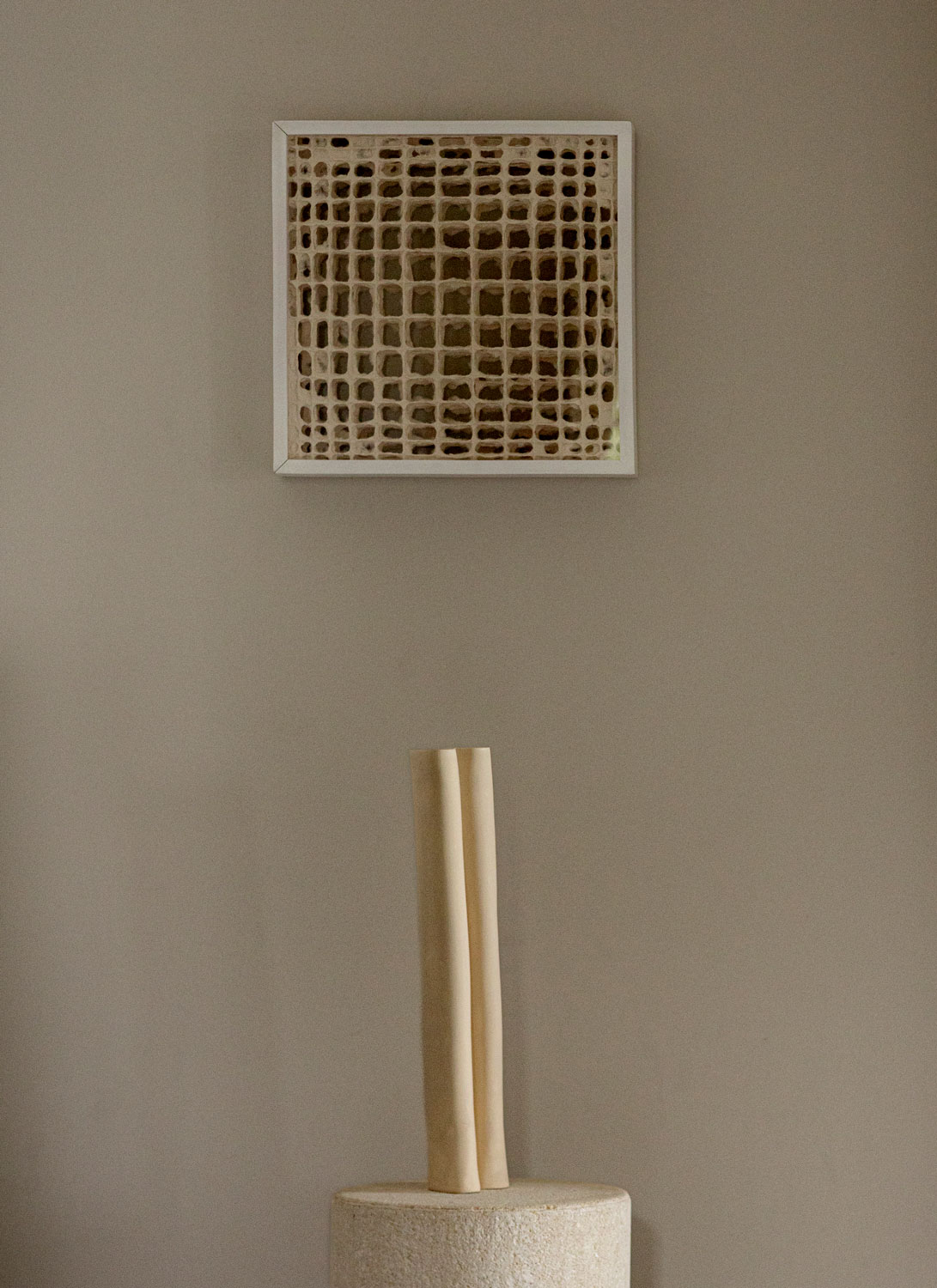
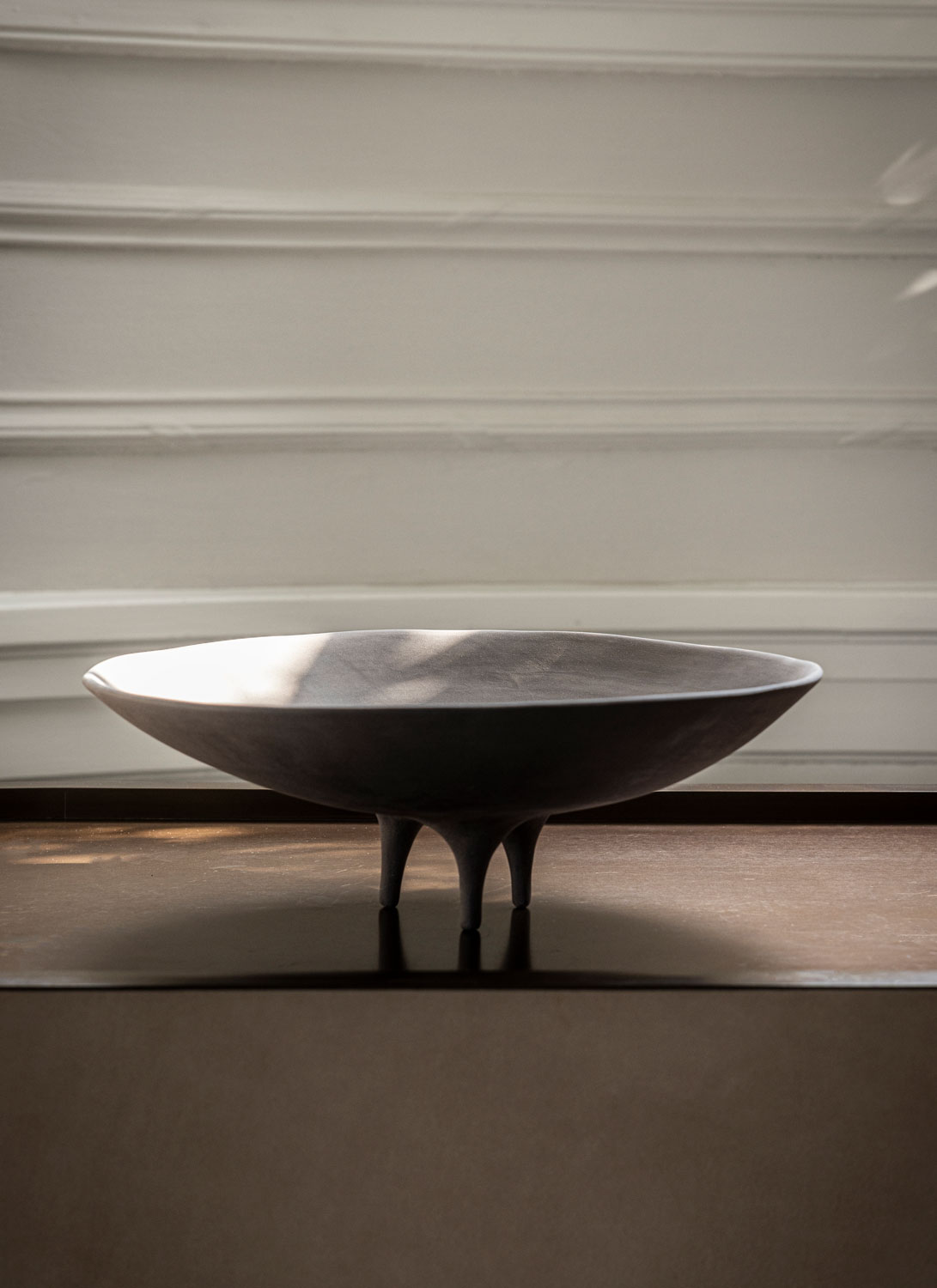
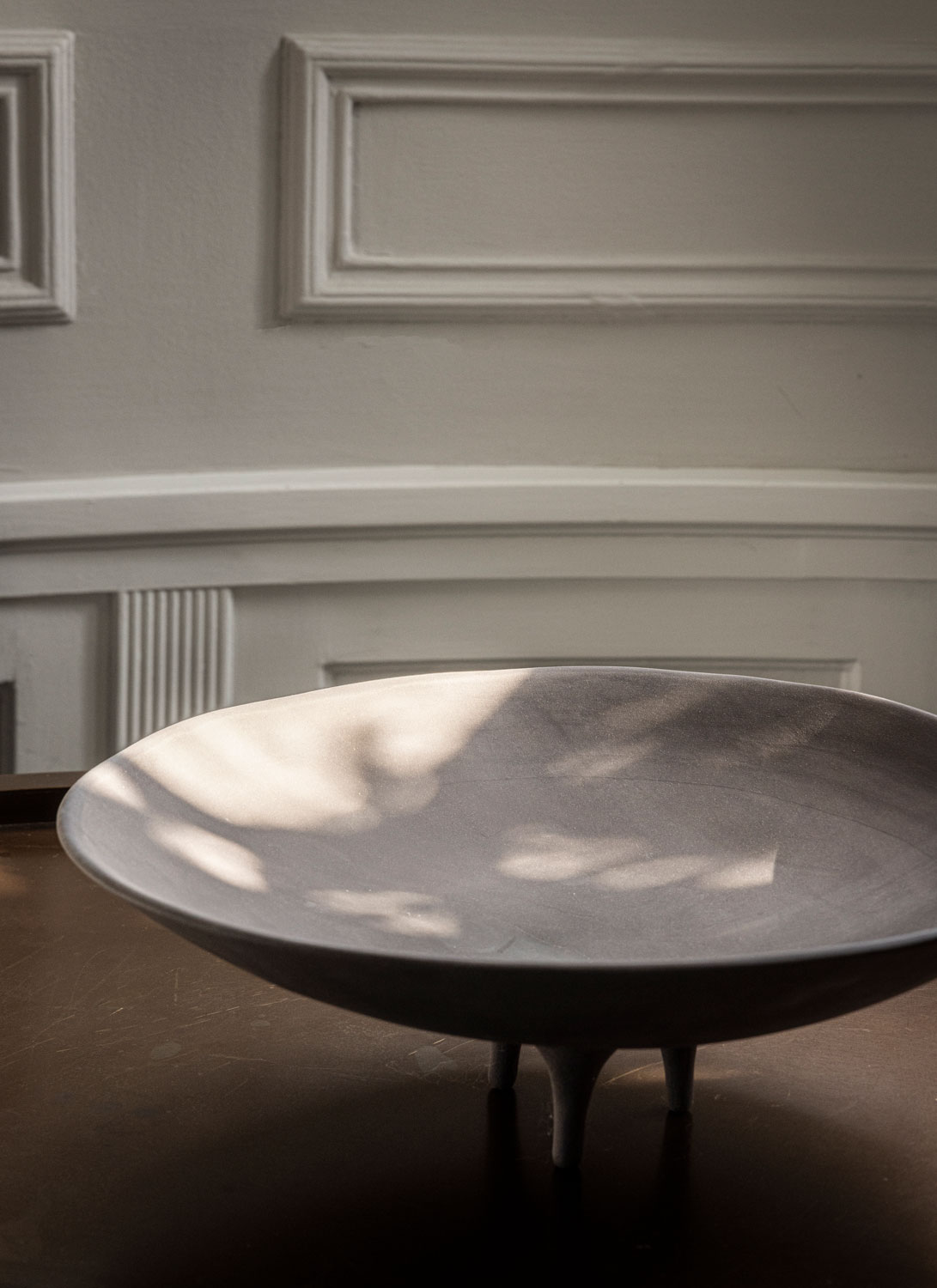
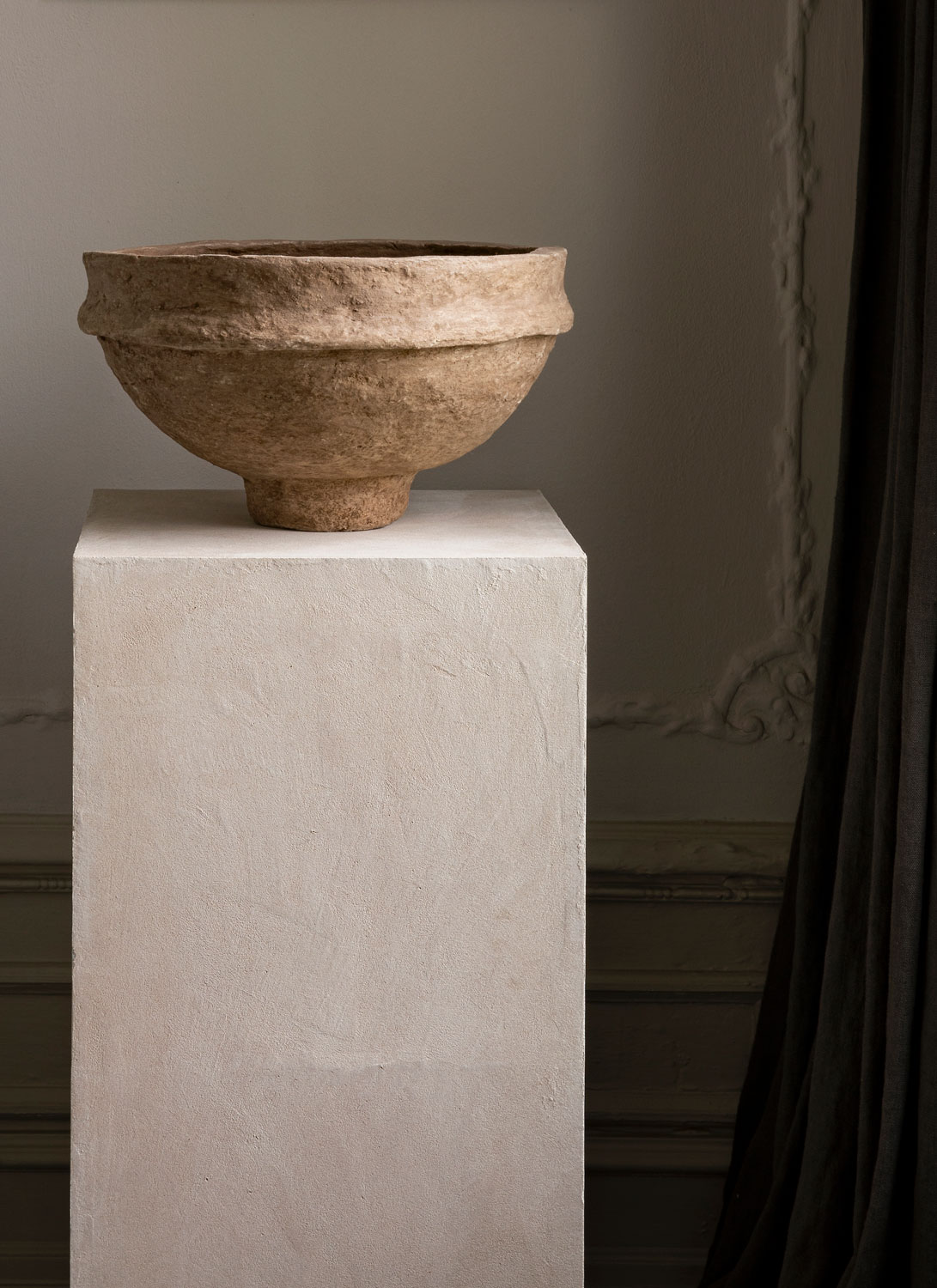
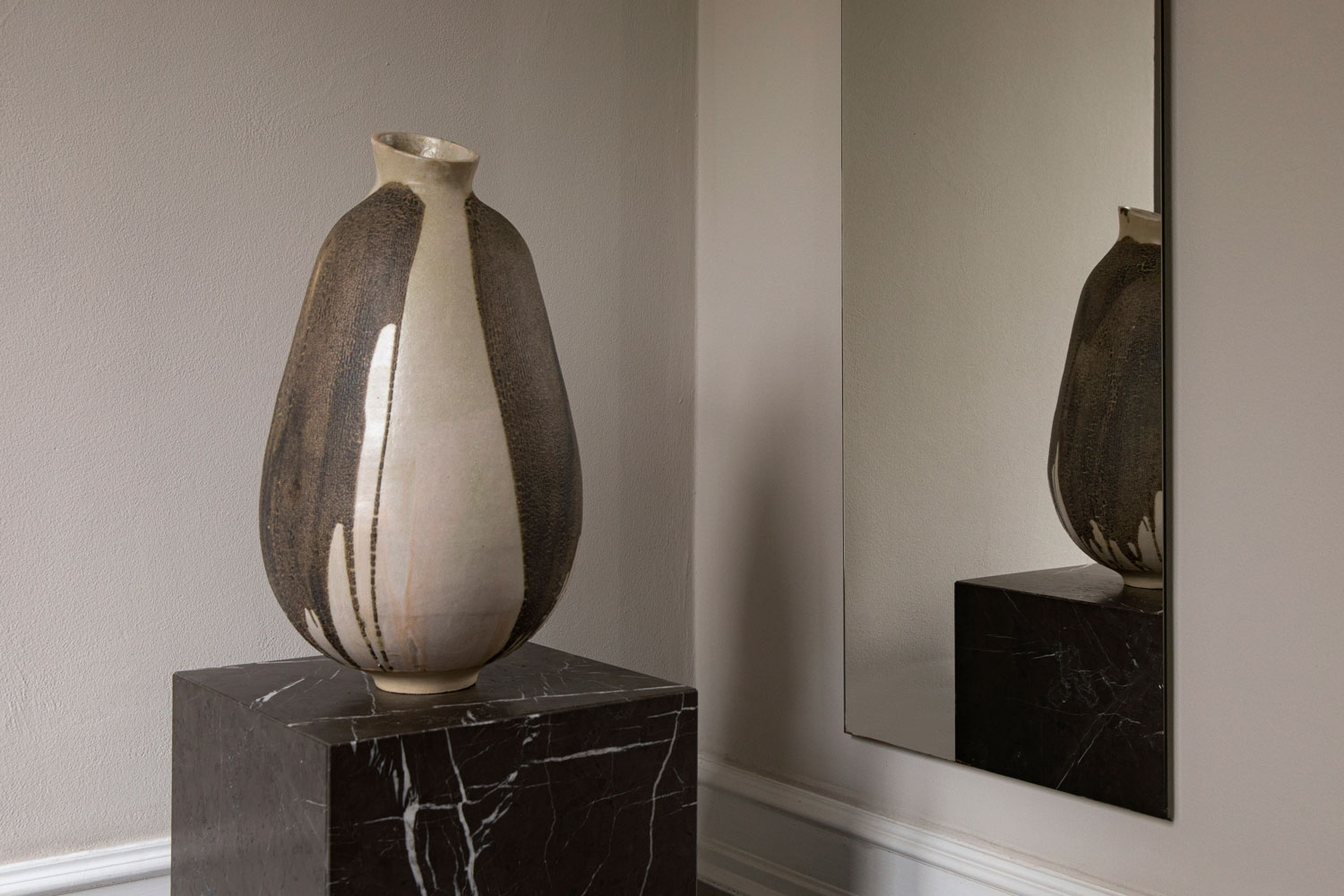
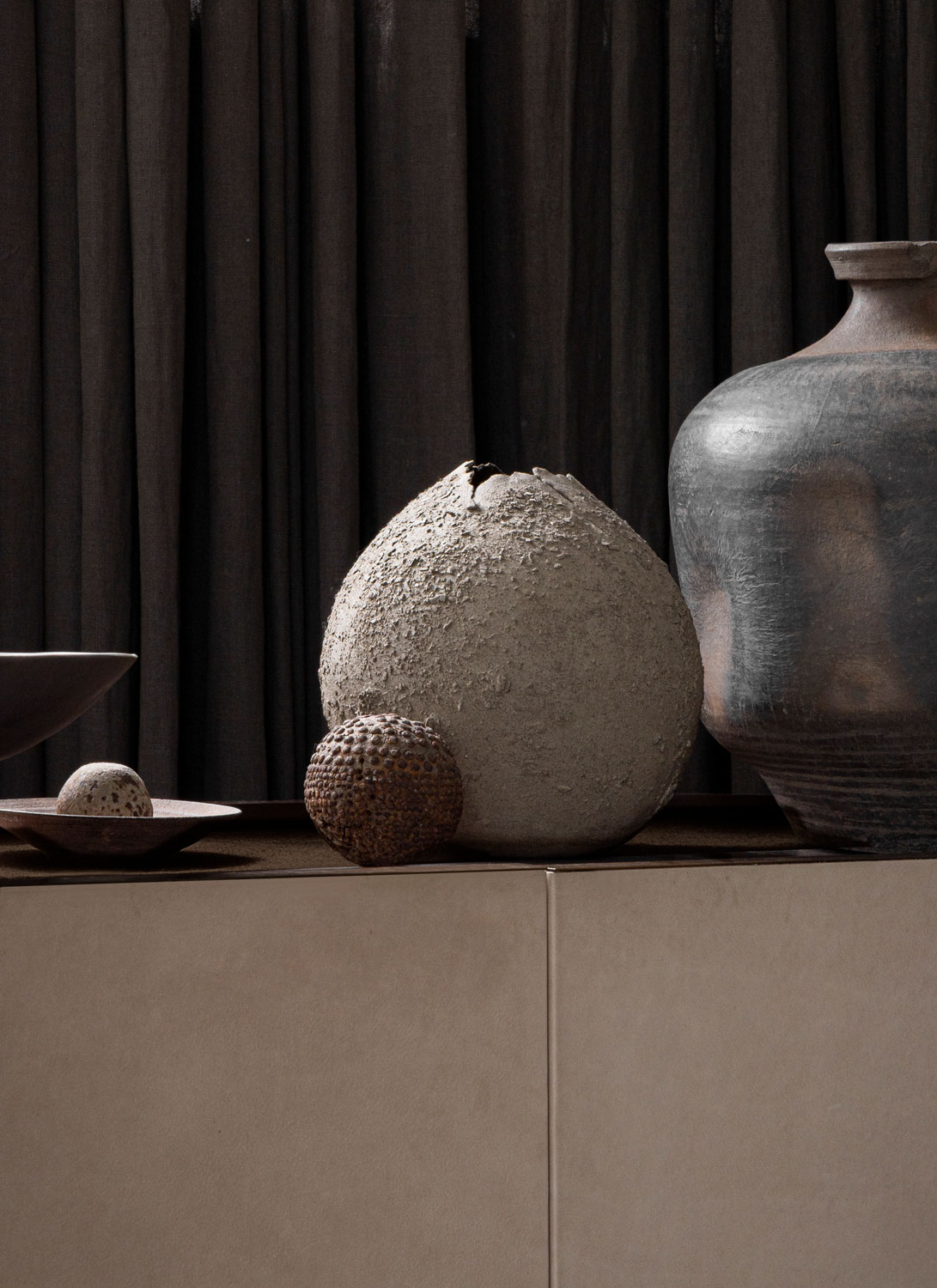
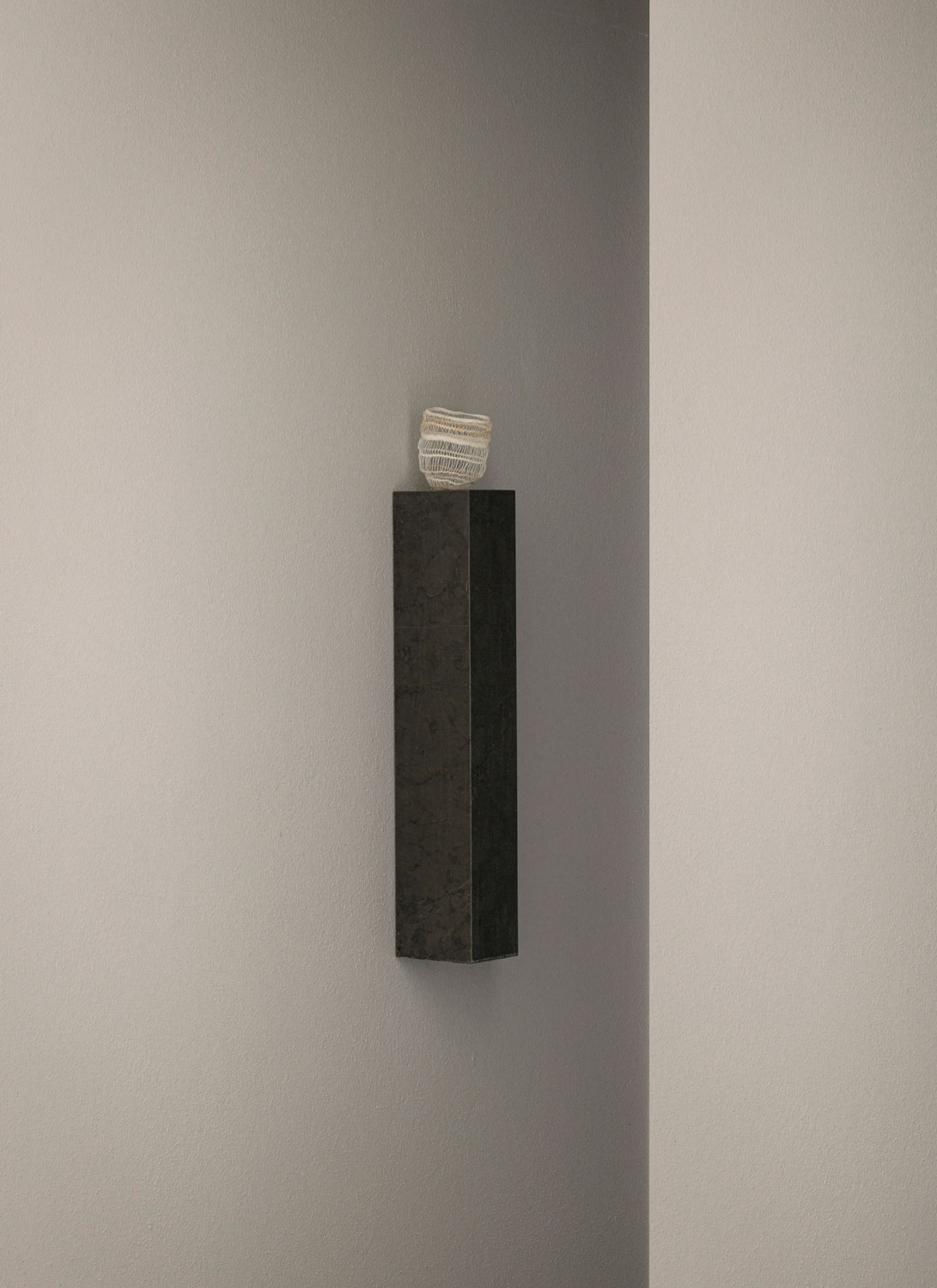
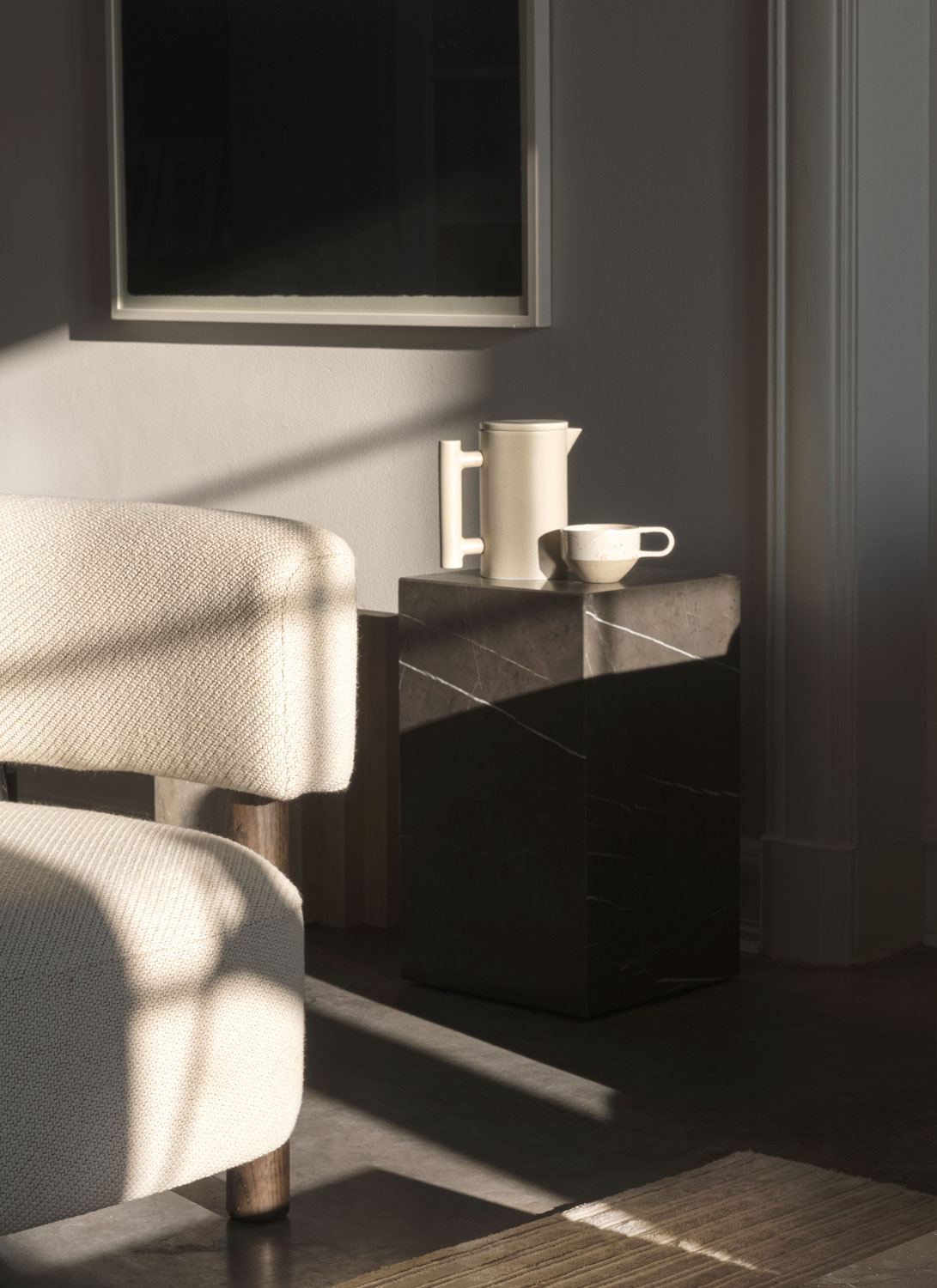
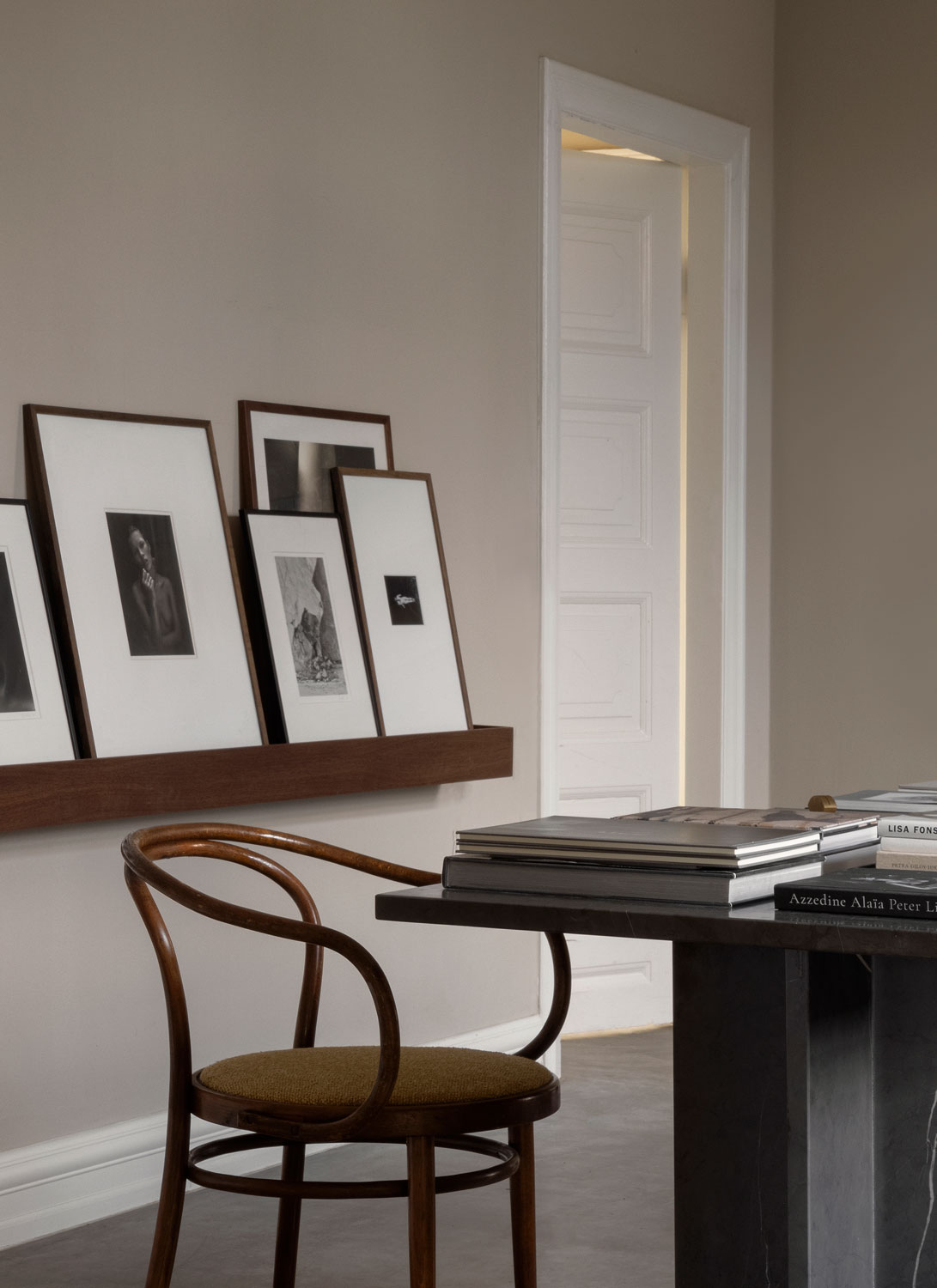
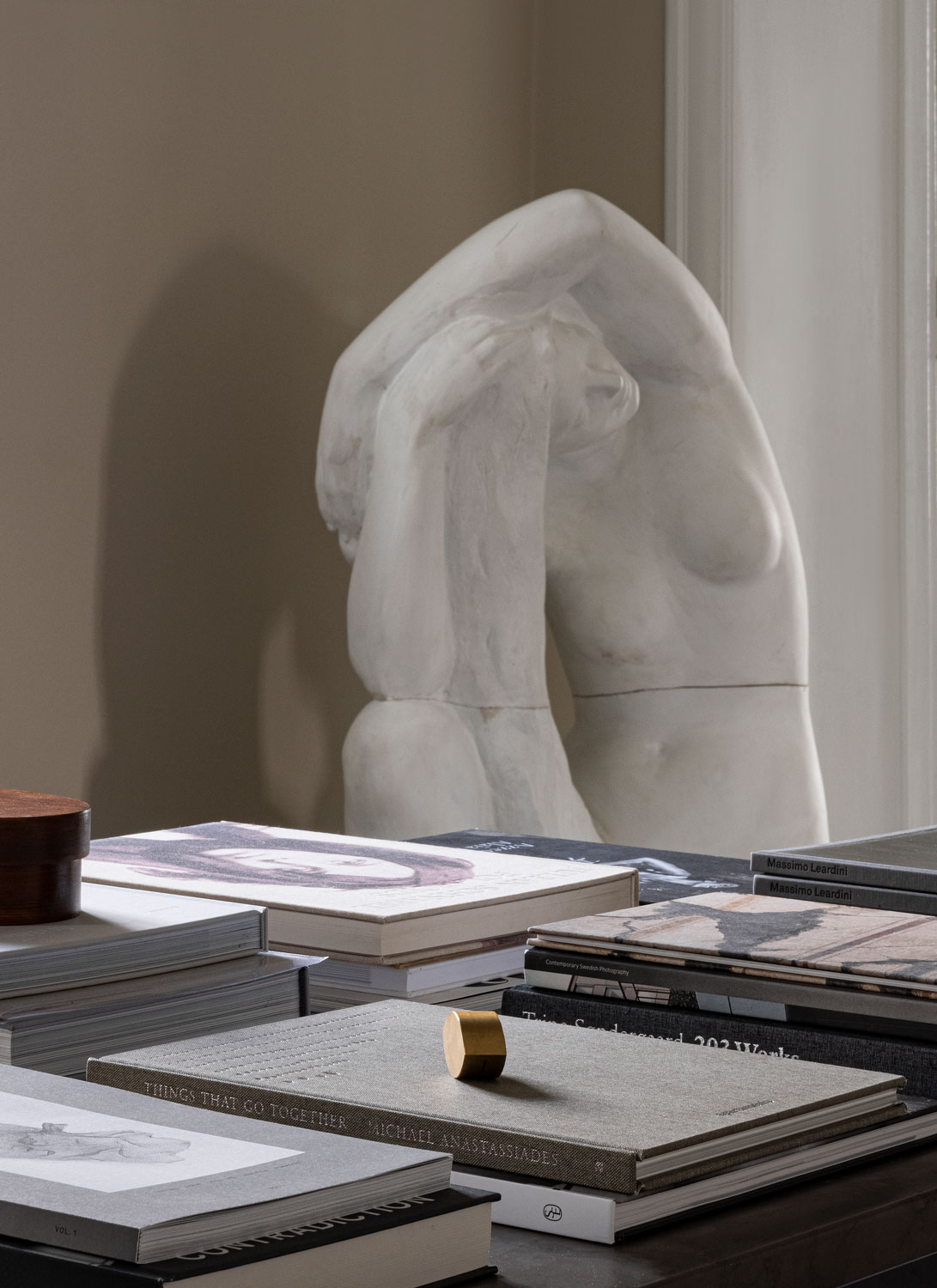
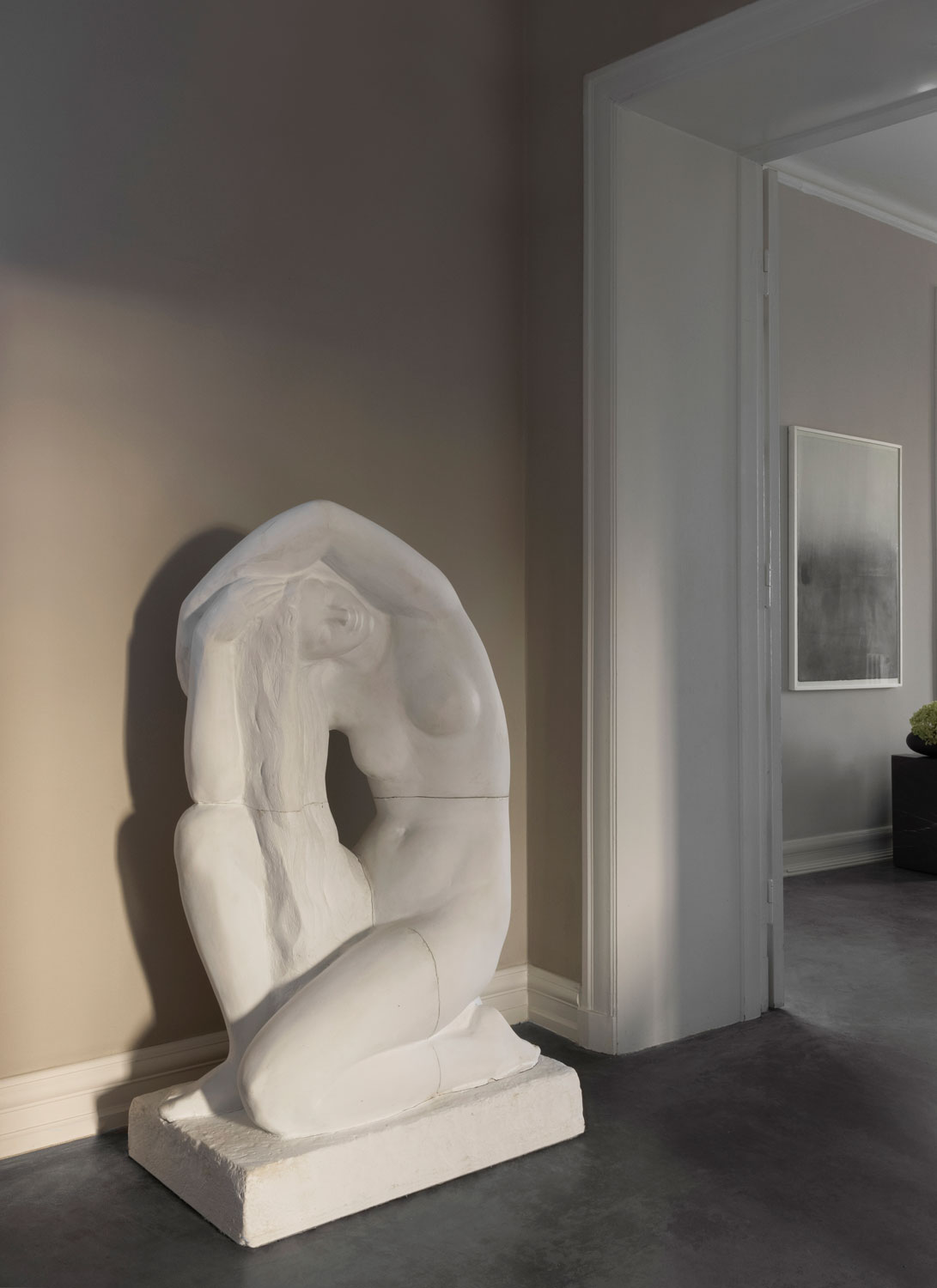
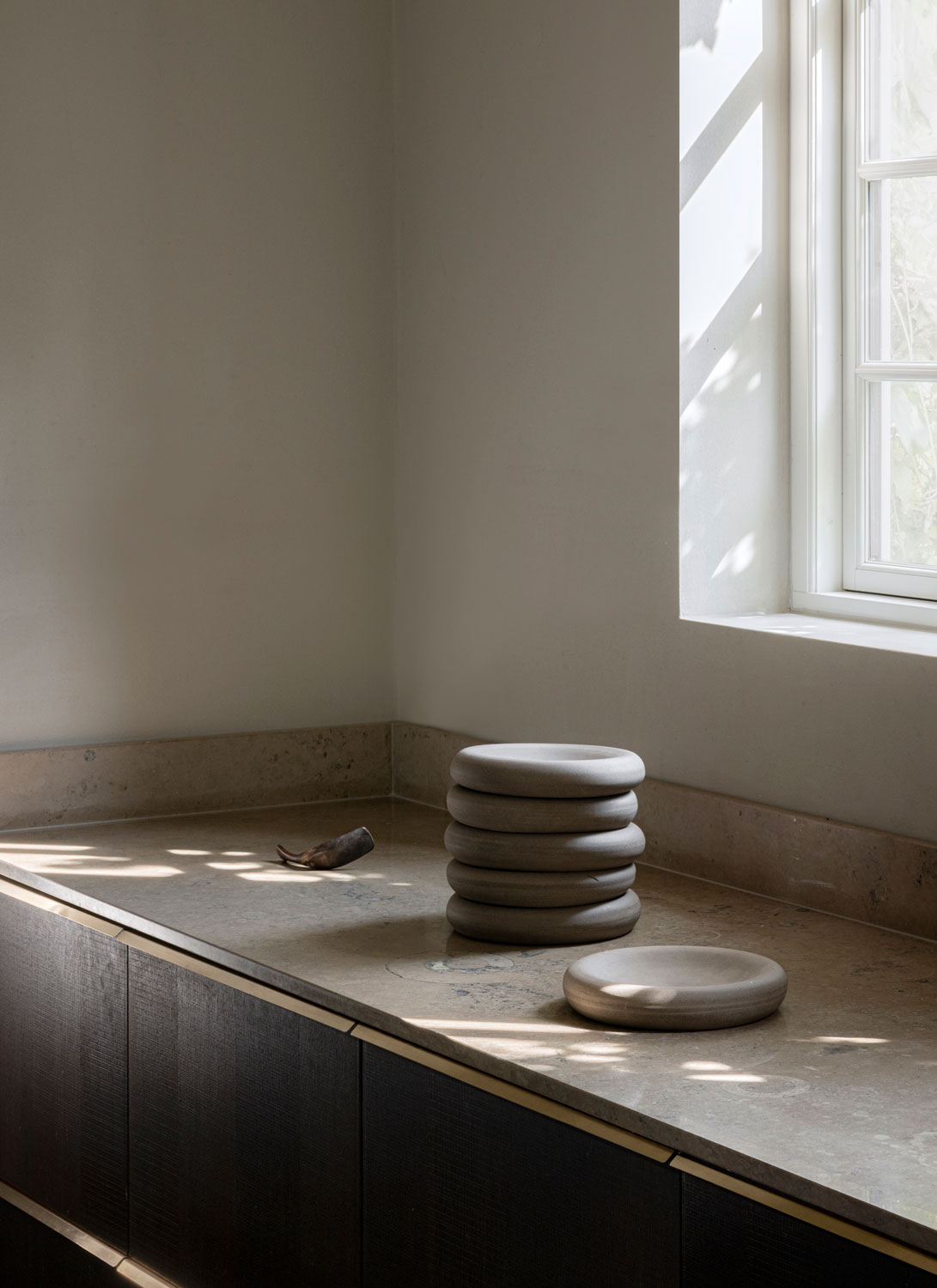
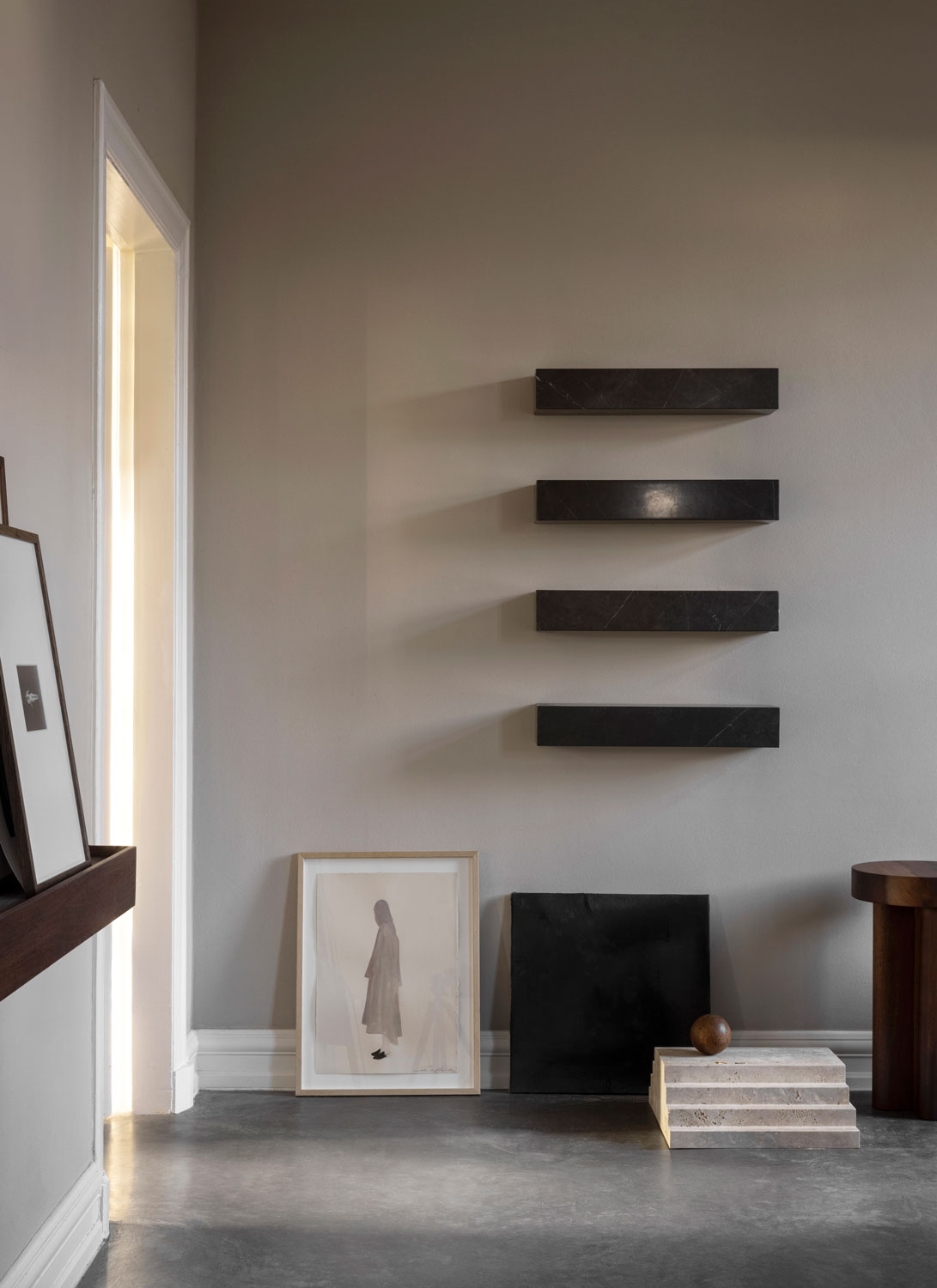
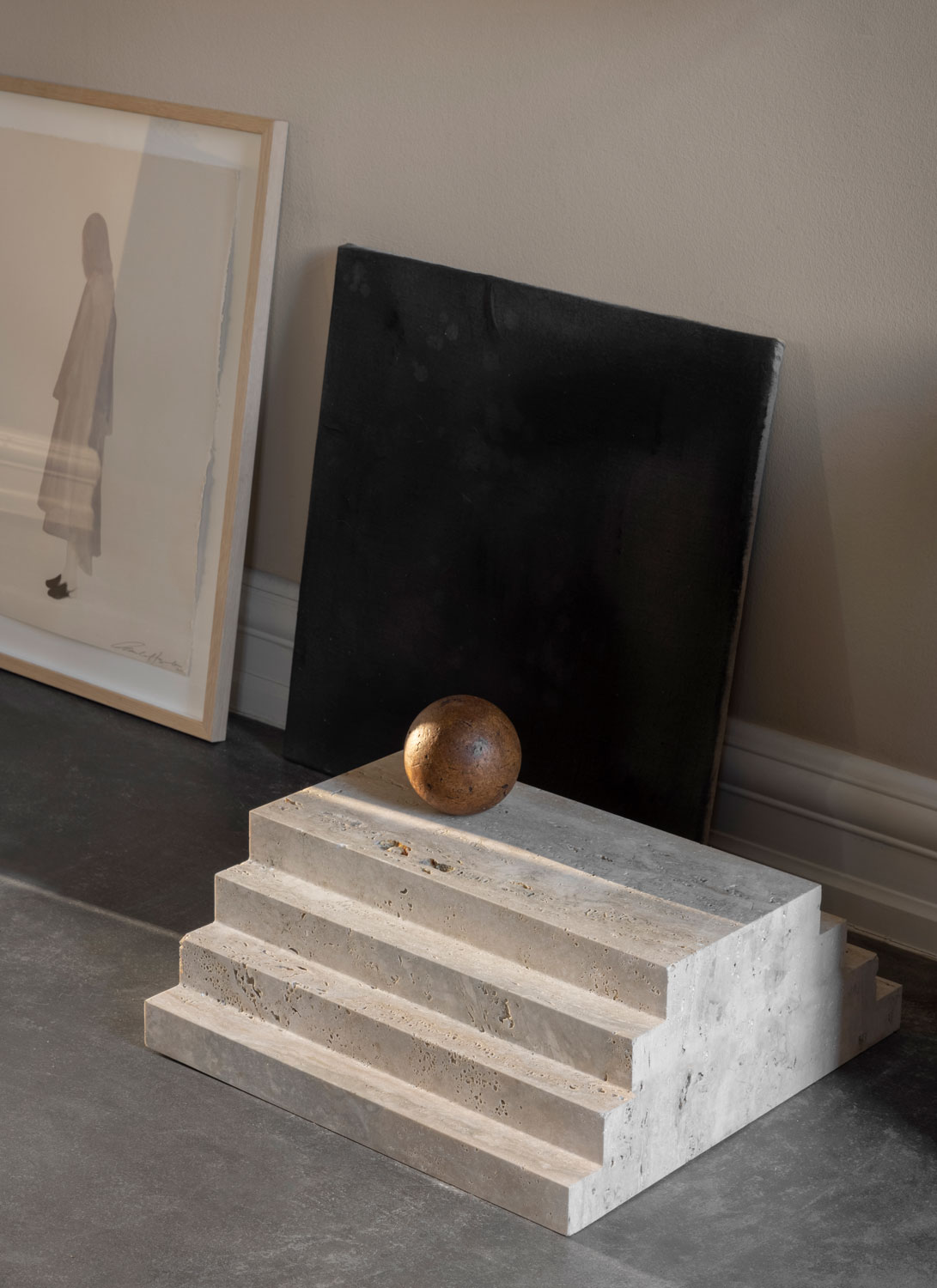
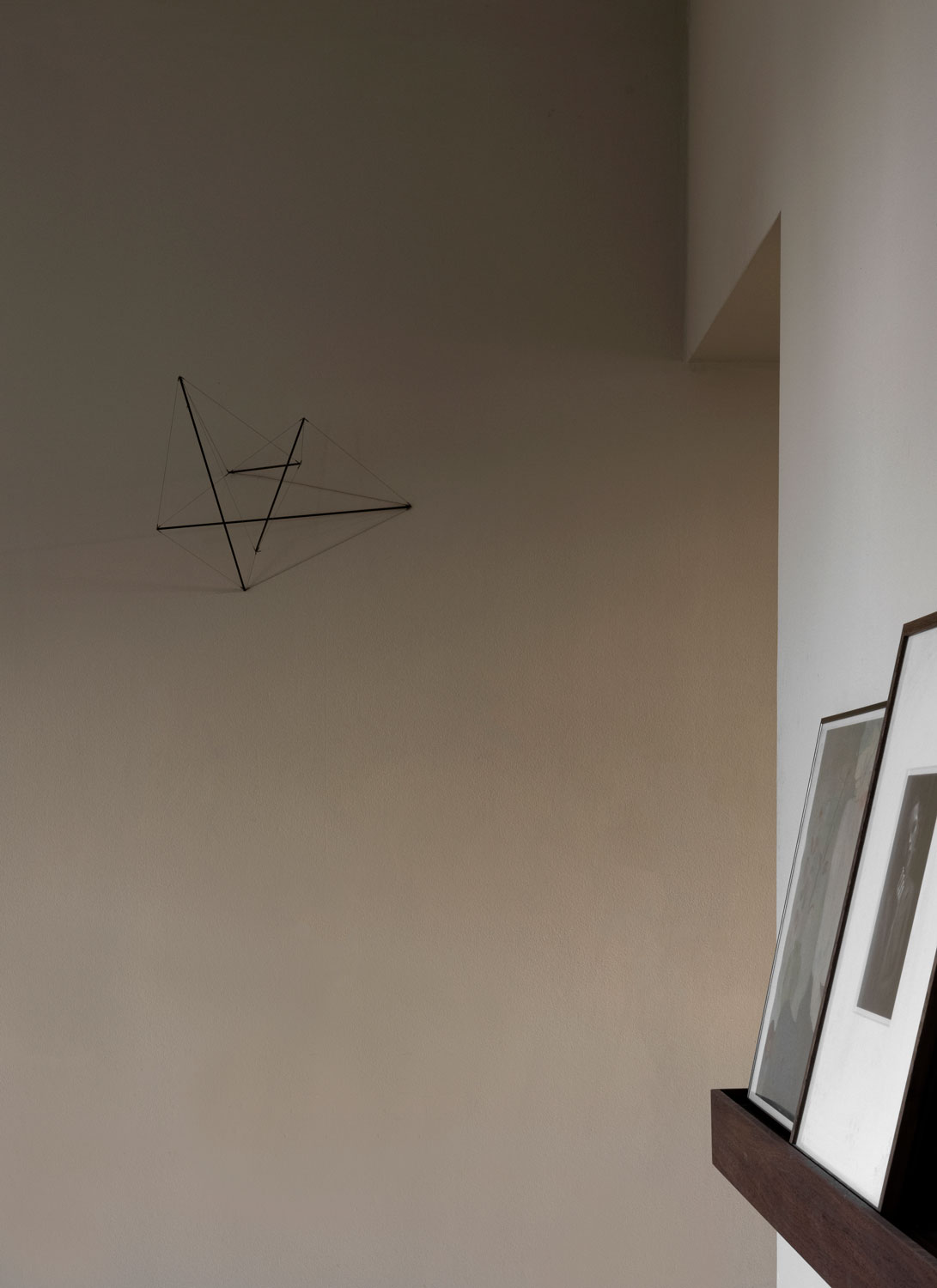
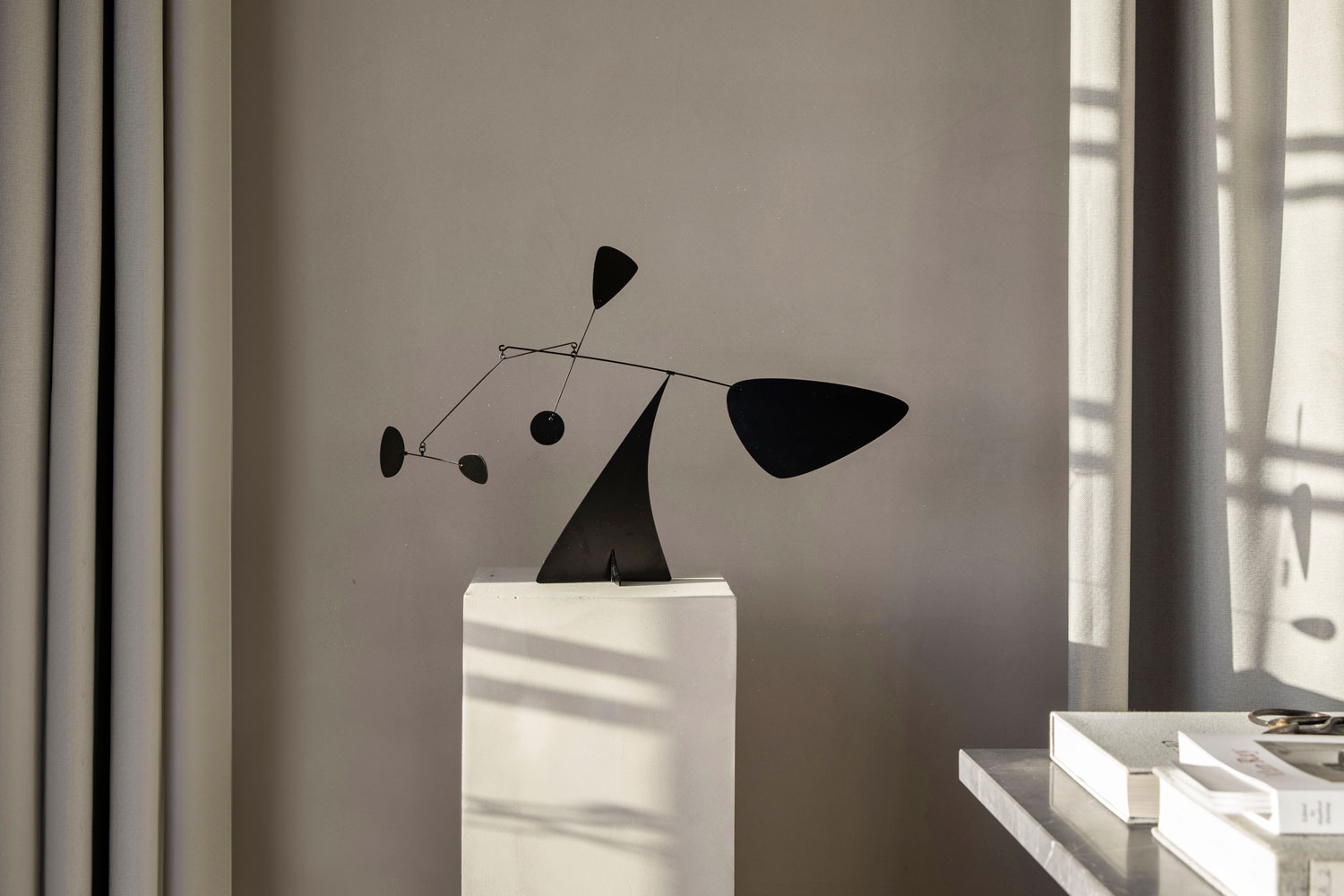
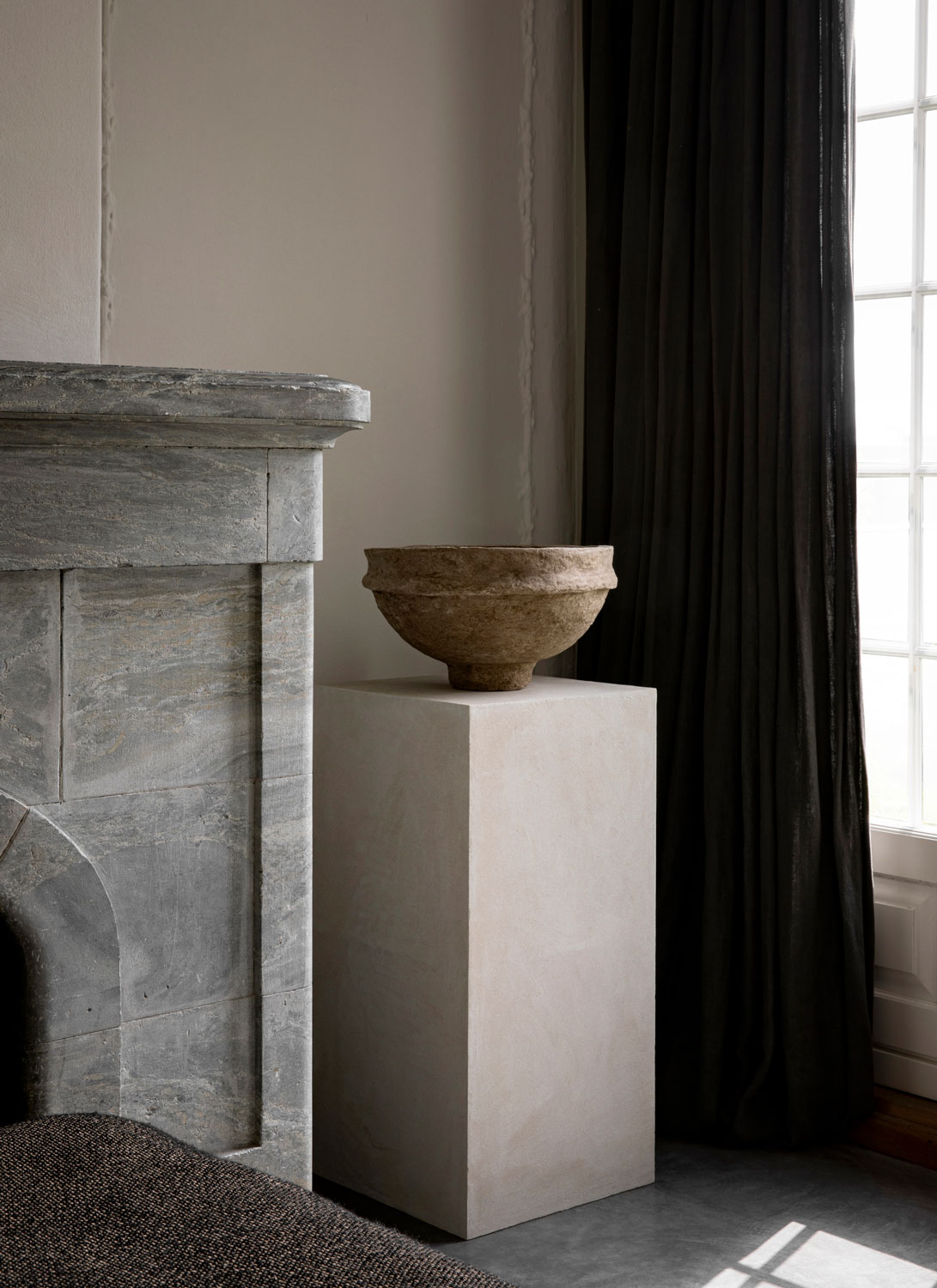
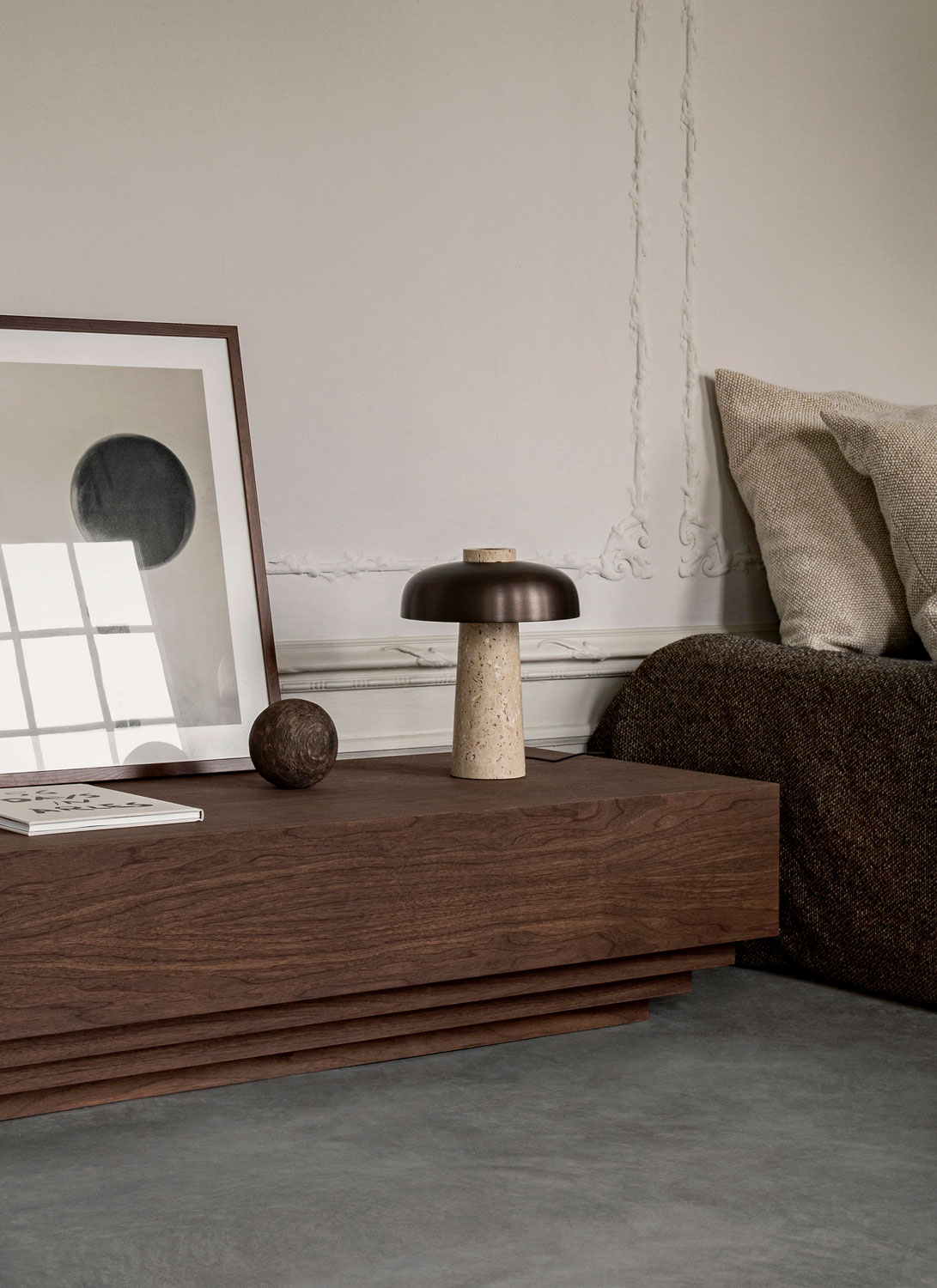
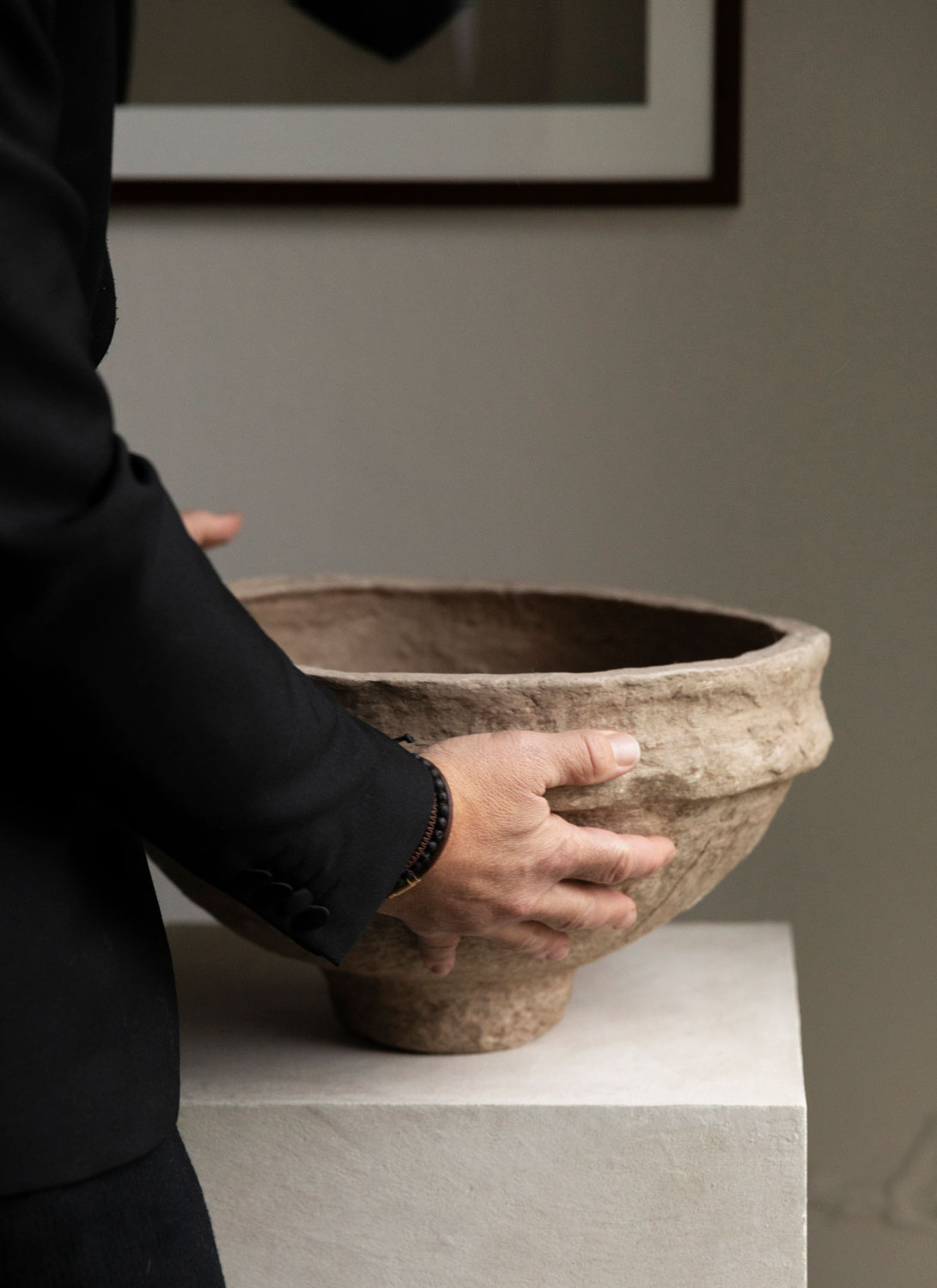
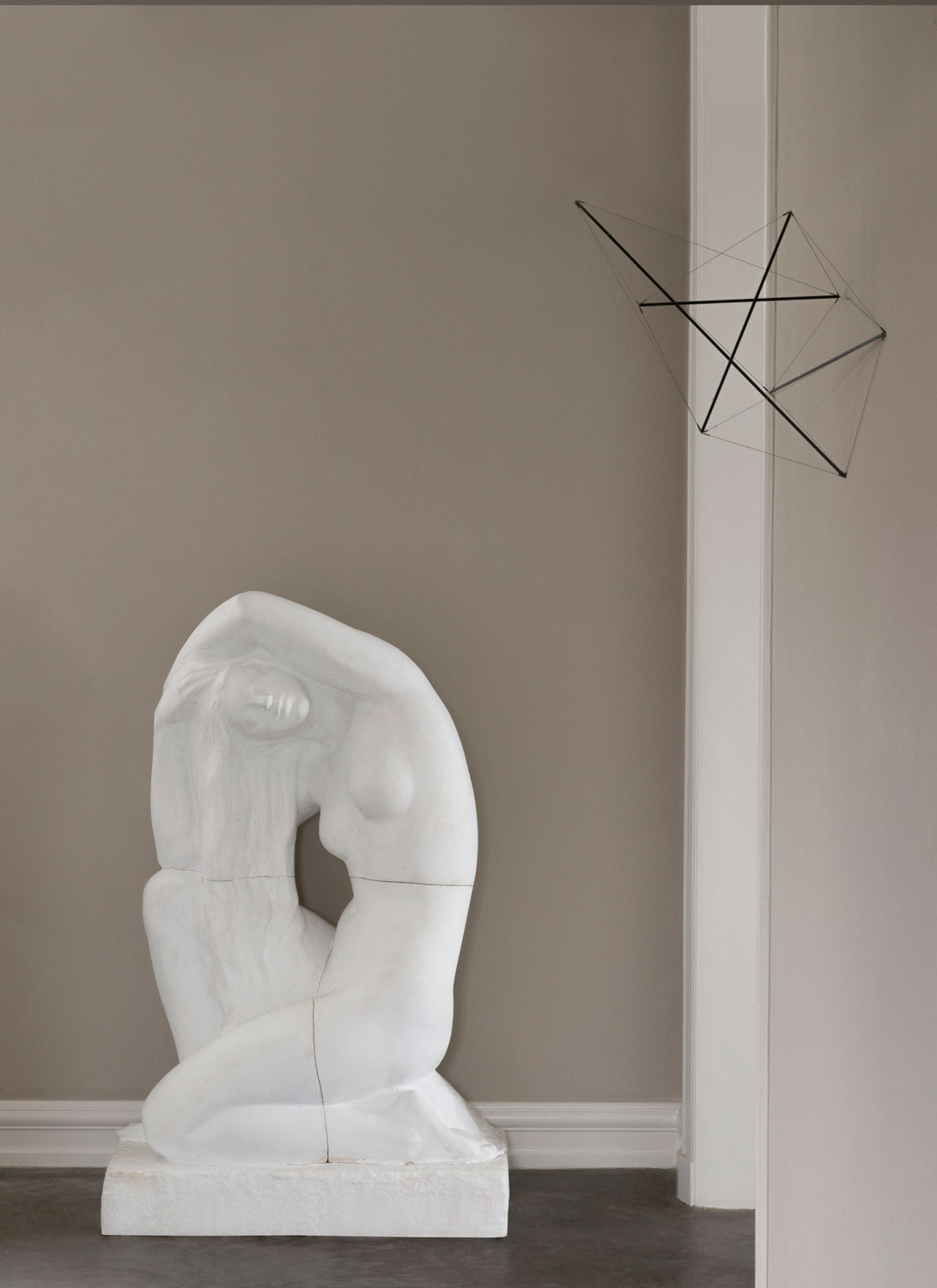
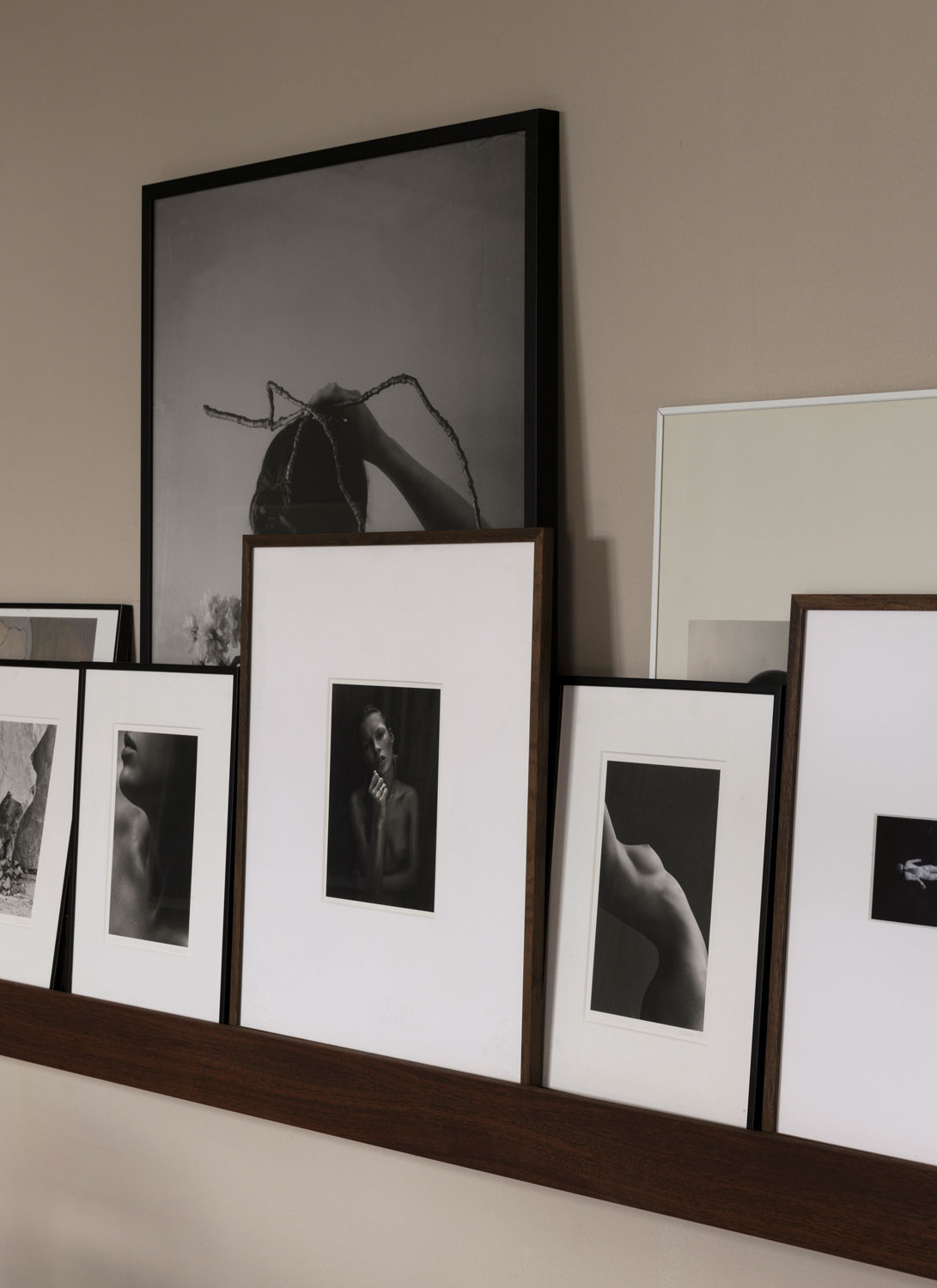
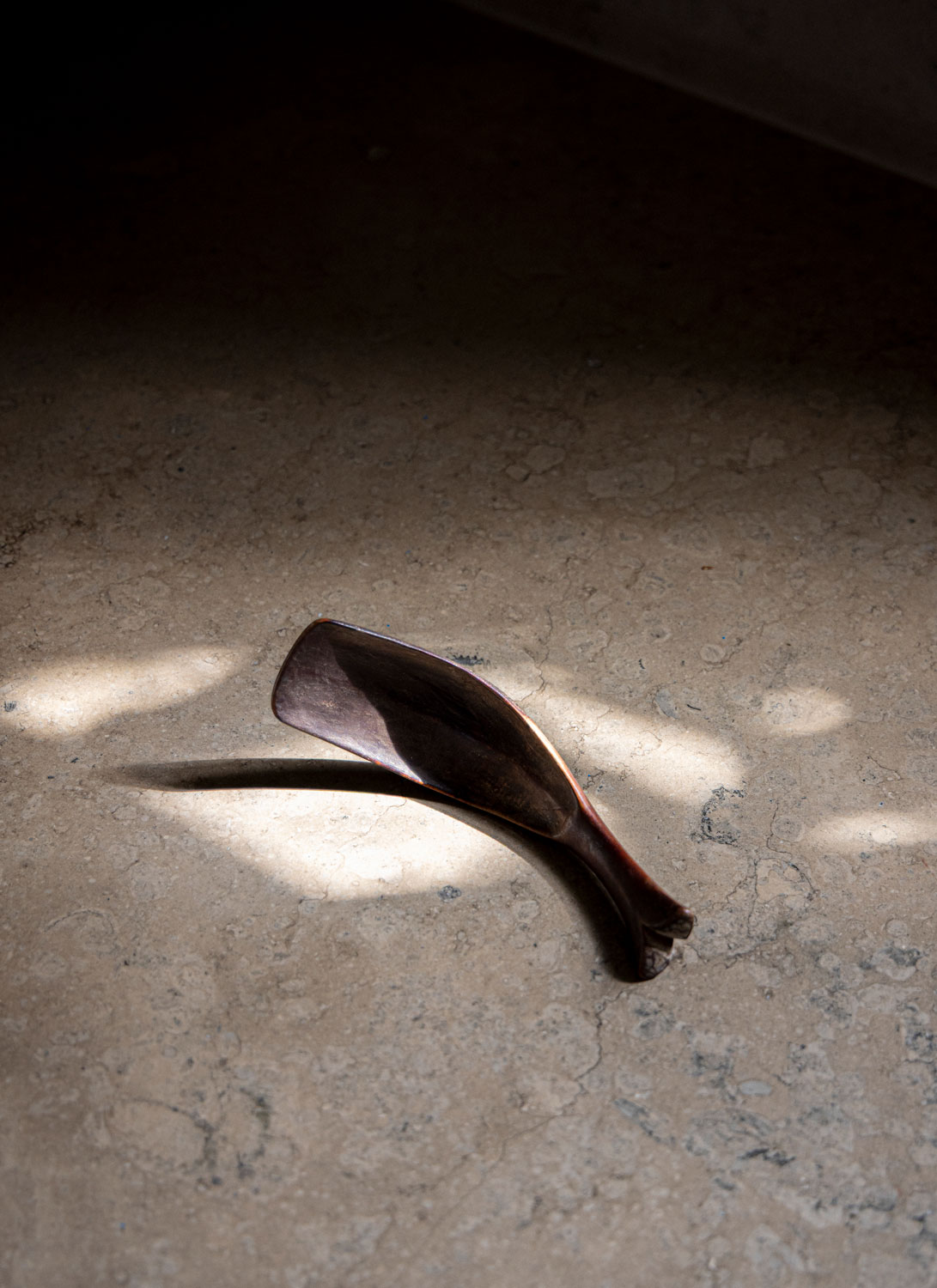
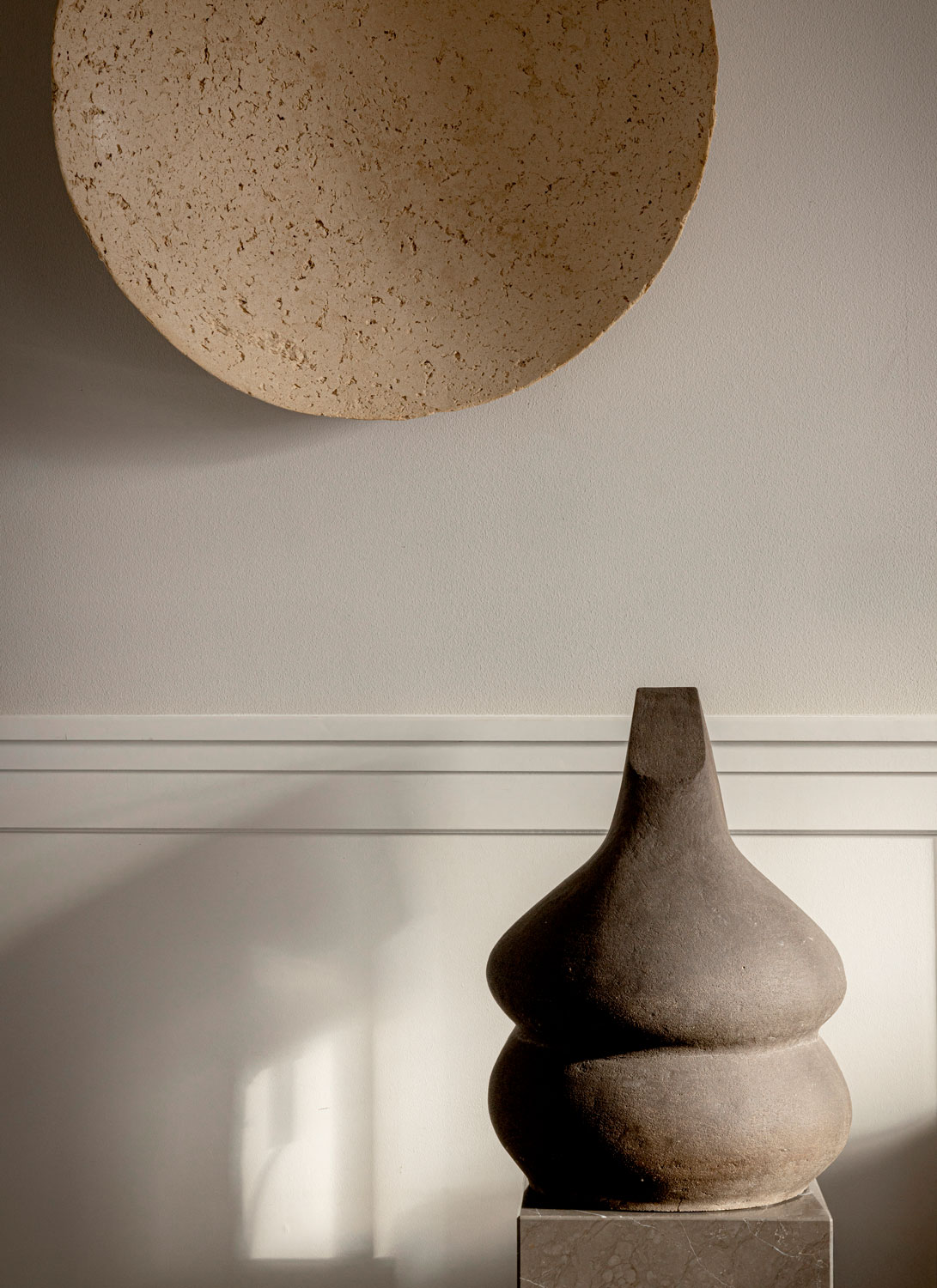
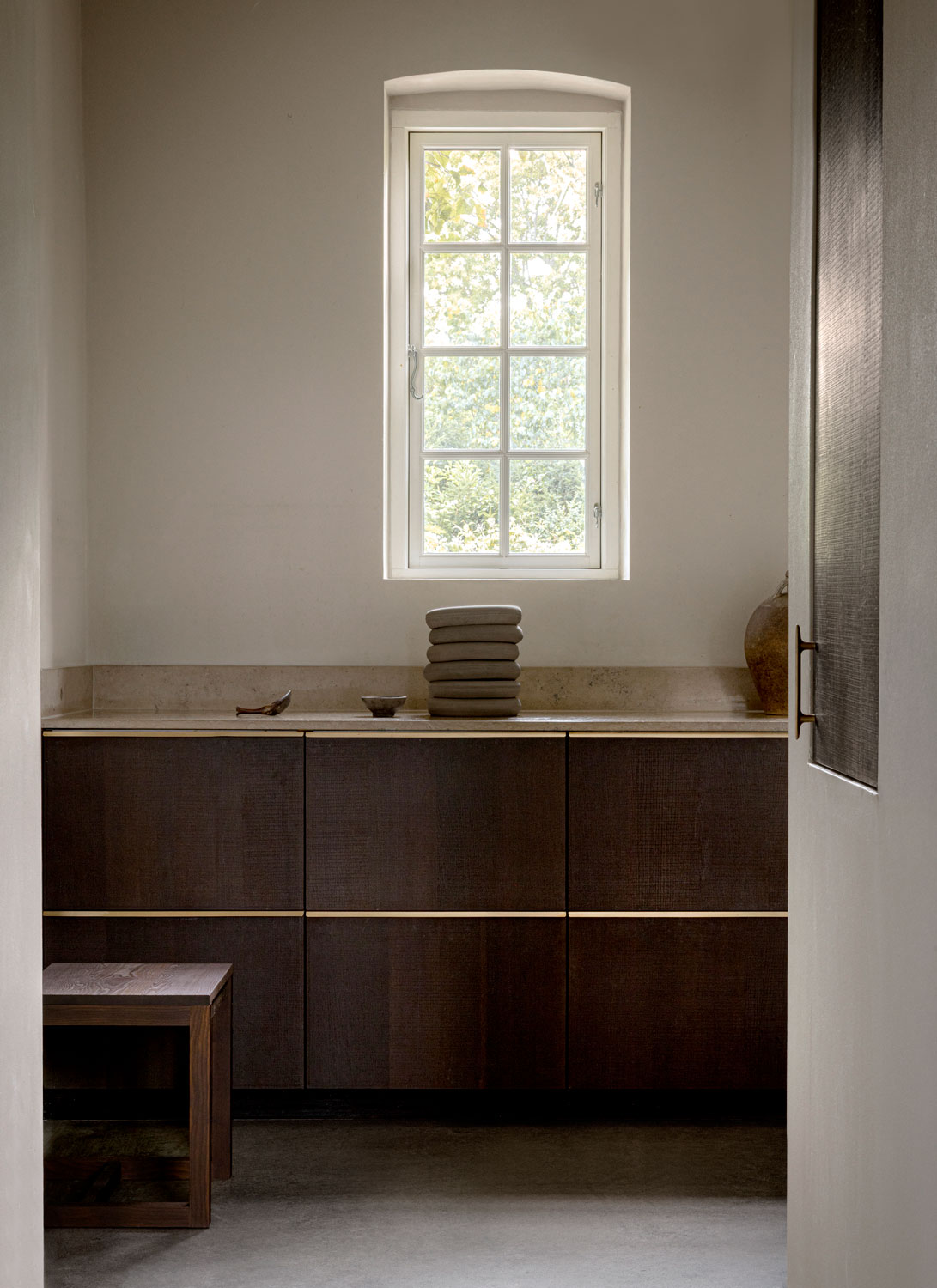
Now, Thoughtful pauses shape the experience of Vedbæk House. The interior is shaped through carefully considered details rather than grand gestures – where light settles, materials meet, and objects are given space to breathe. Natural surfaces, tactile finishes, and quietly placed elements invite slower rhythms, allowing the home to unfold through use, time, and presence.
A house not defined by constant change, but by continuity – shaped gently by daily life and the shifting light along the coast.
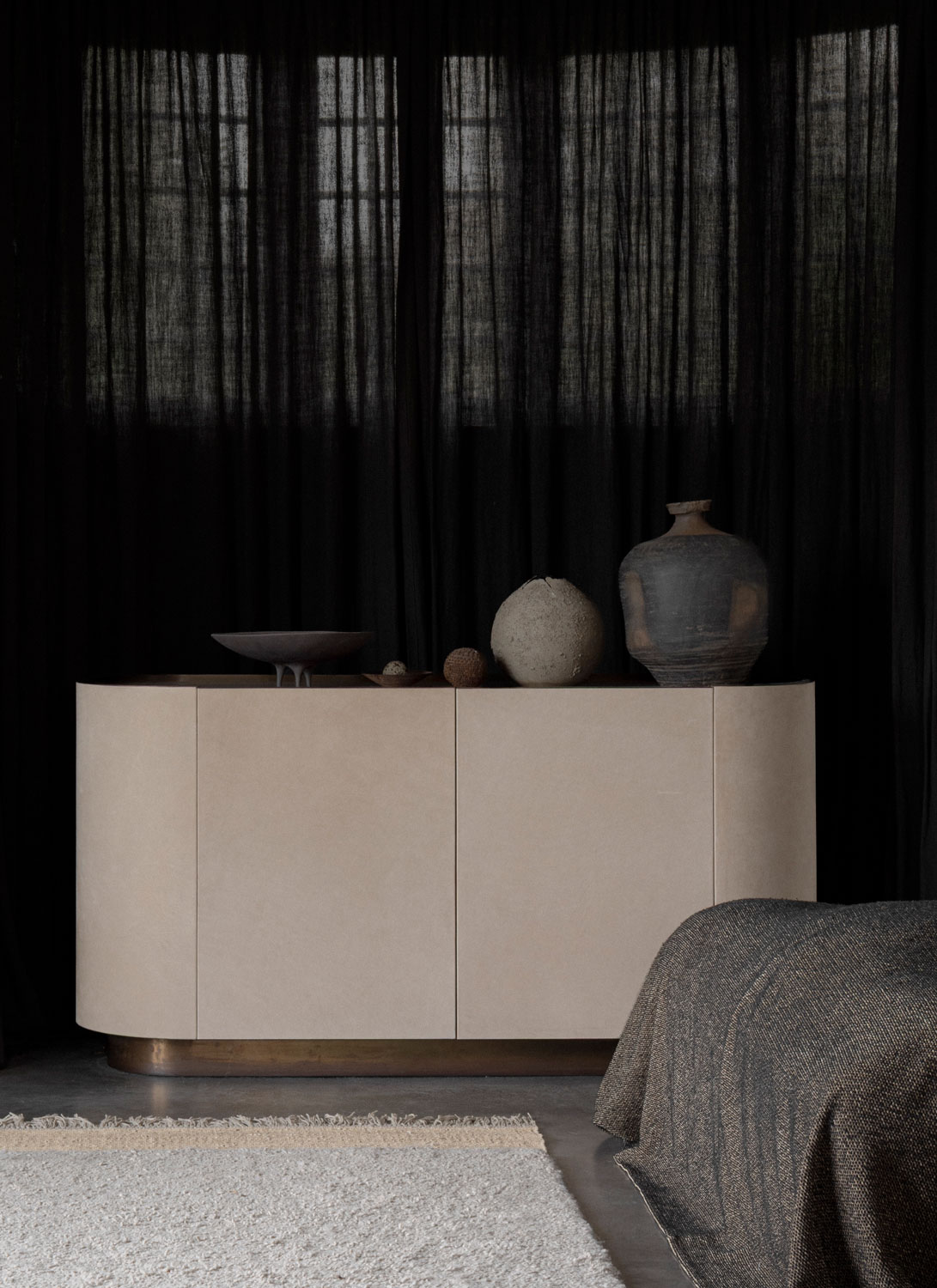
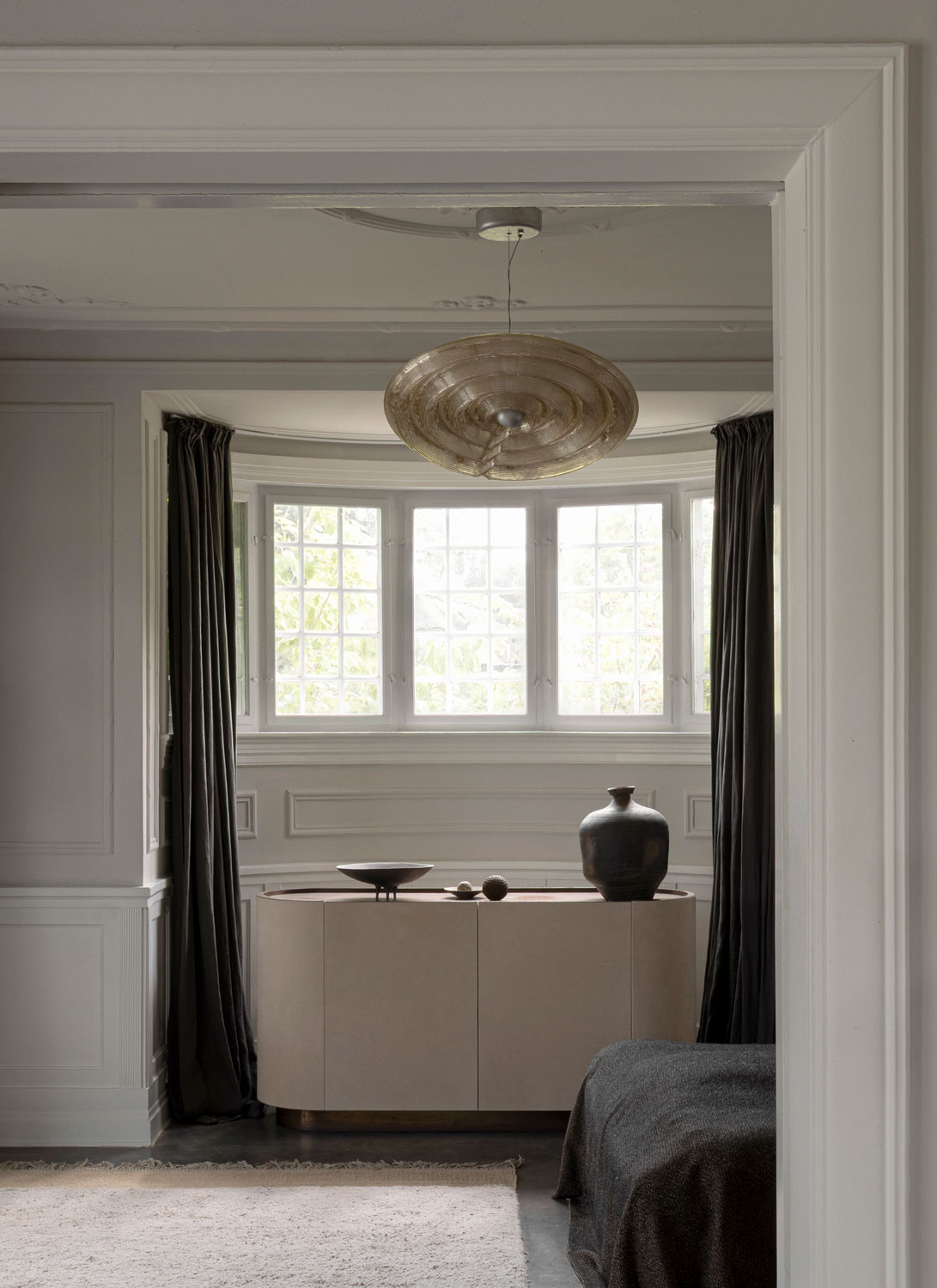
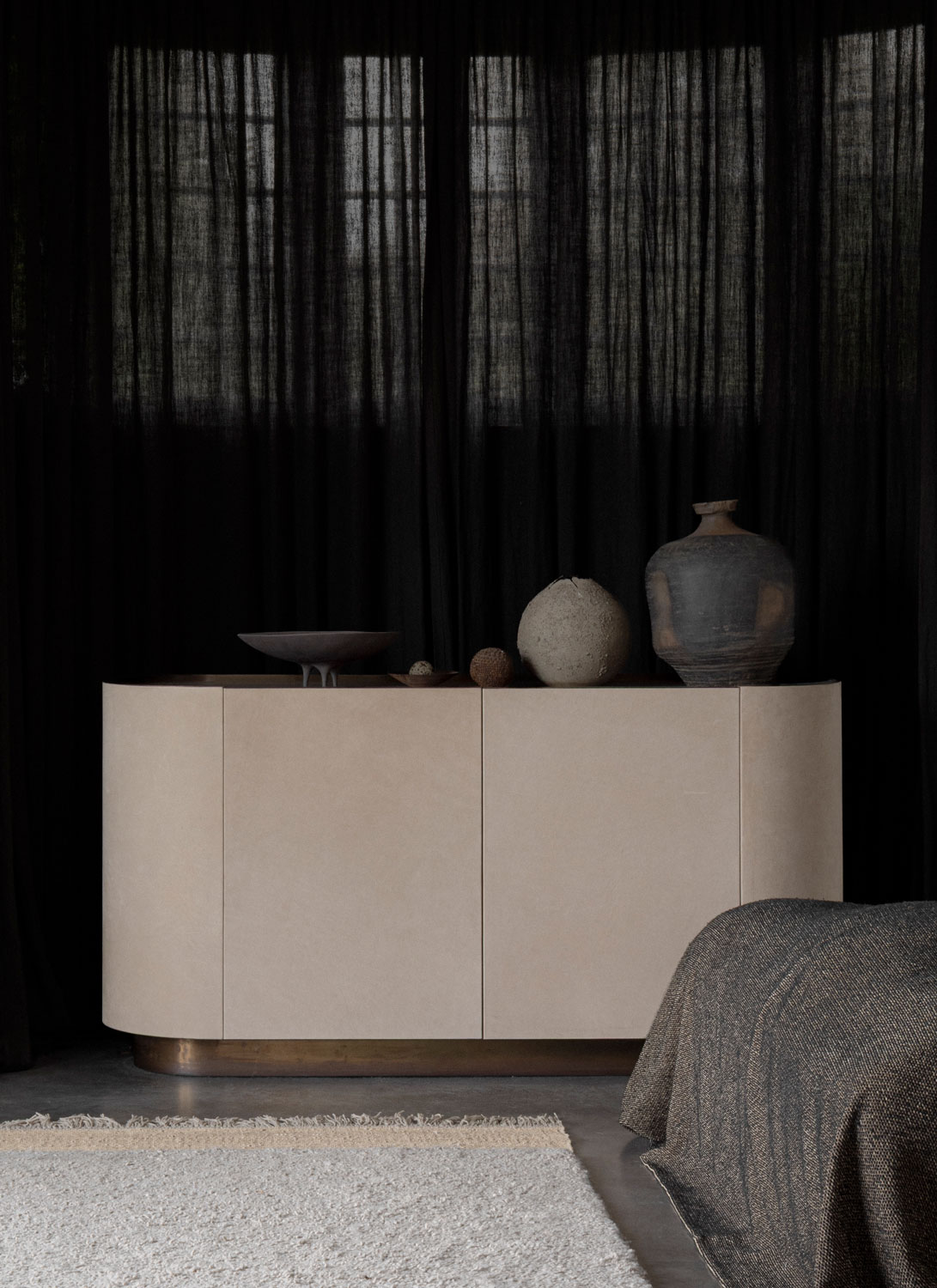
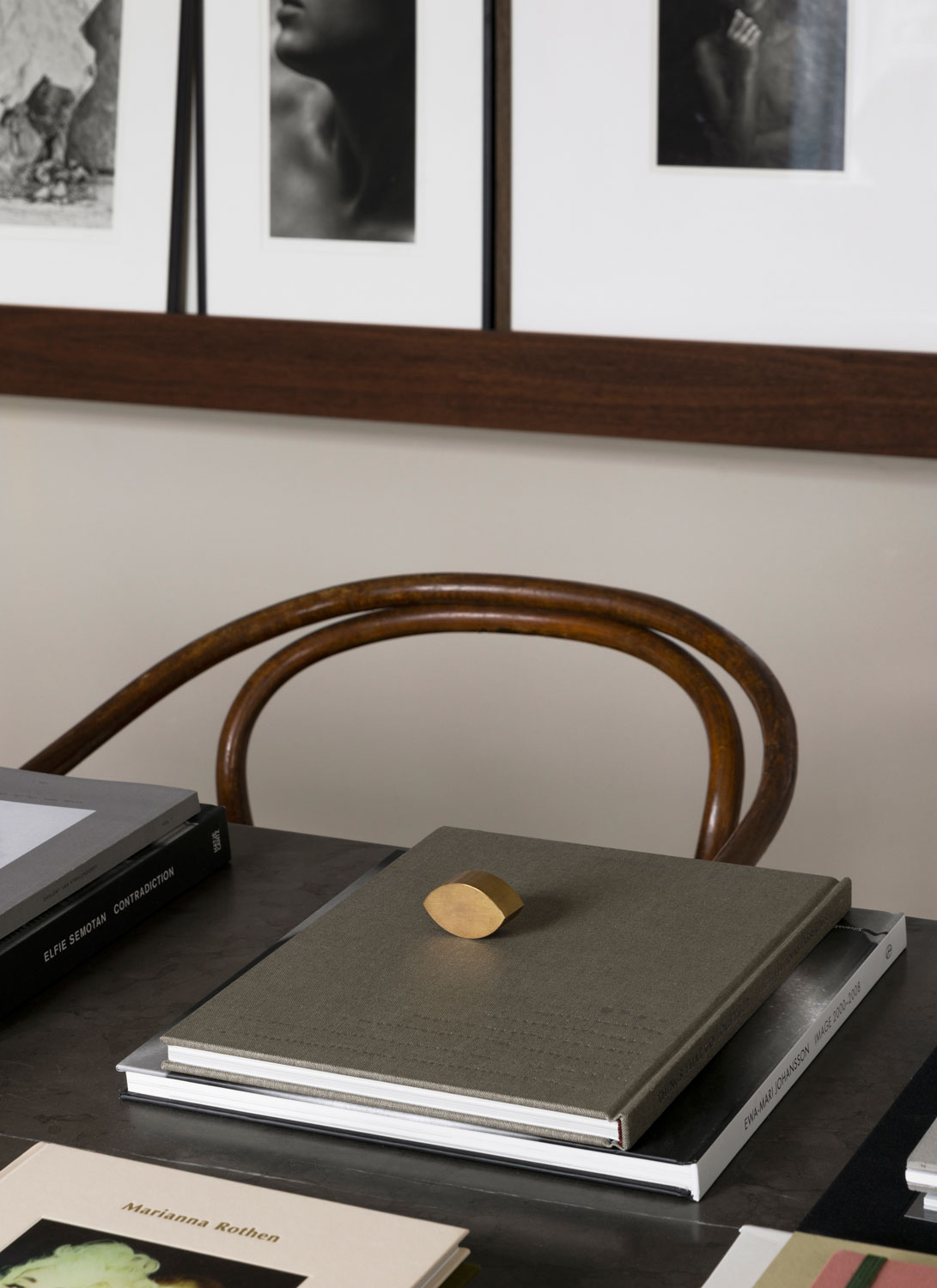
Manufactured by Malte Gormsen, The MG305 leather-clad credenza was originally designed by Norm for the Dulong Jewelry Store. The large desk is finished with a bronzed brass tabletop in contrast to the soft, tactile sides, hiding extensive storage-options for jewelry pieces and office essentials.
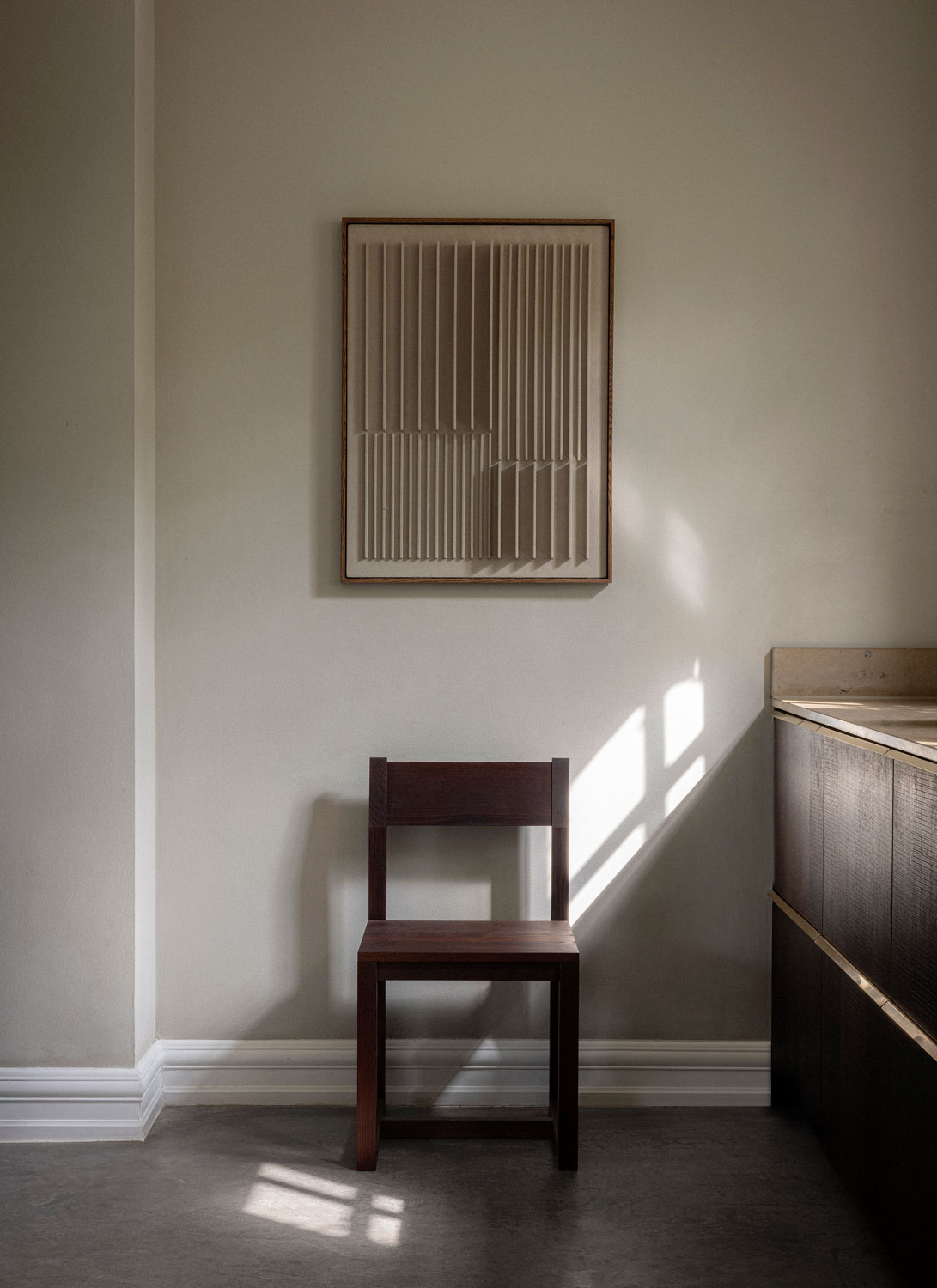
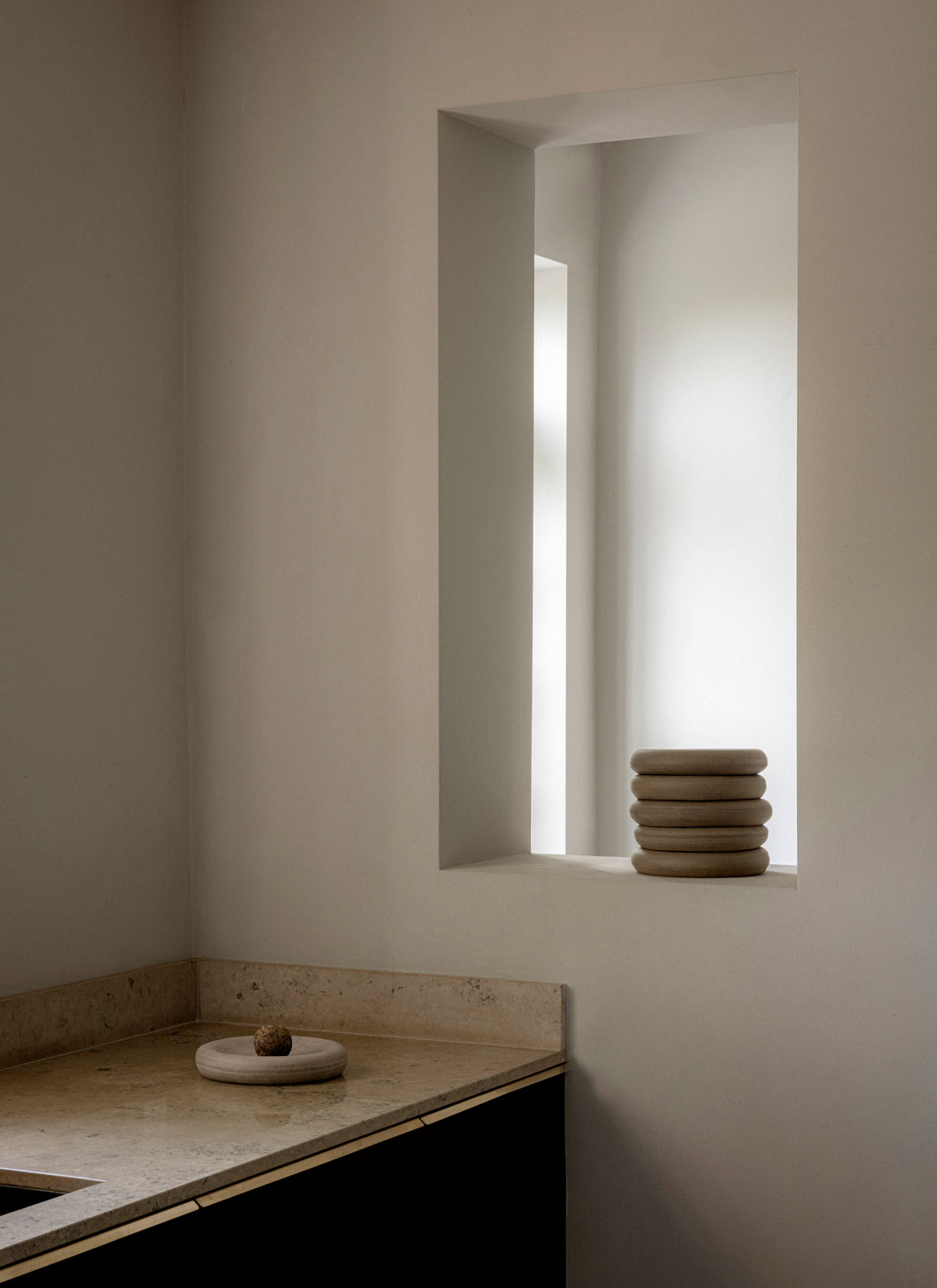
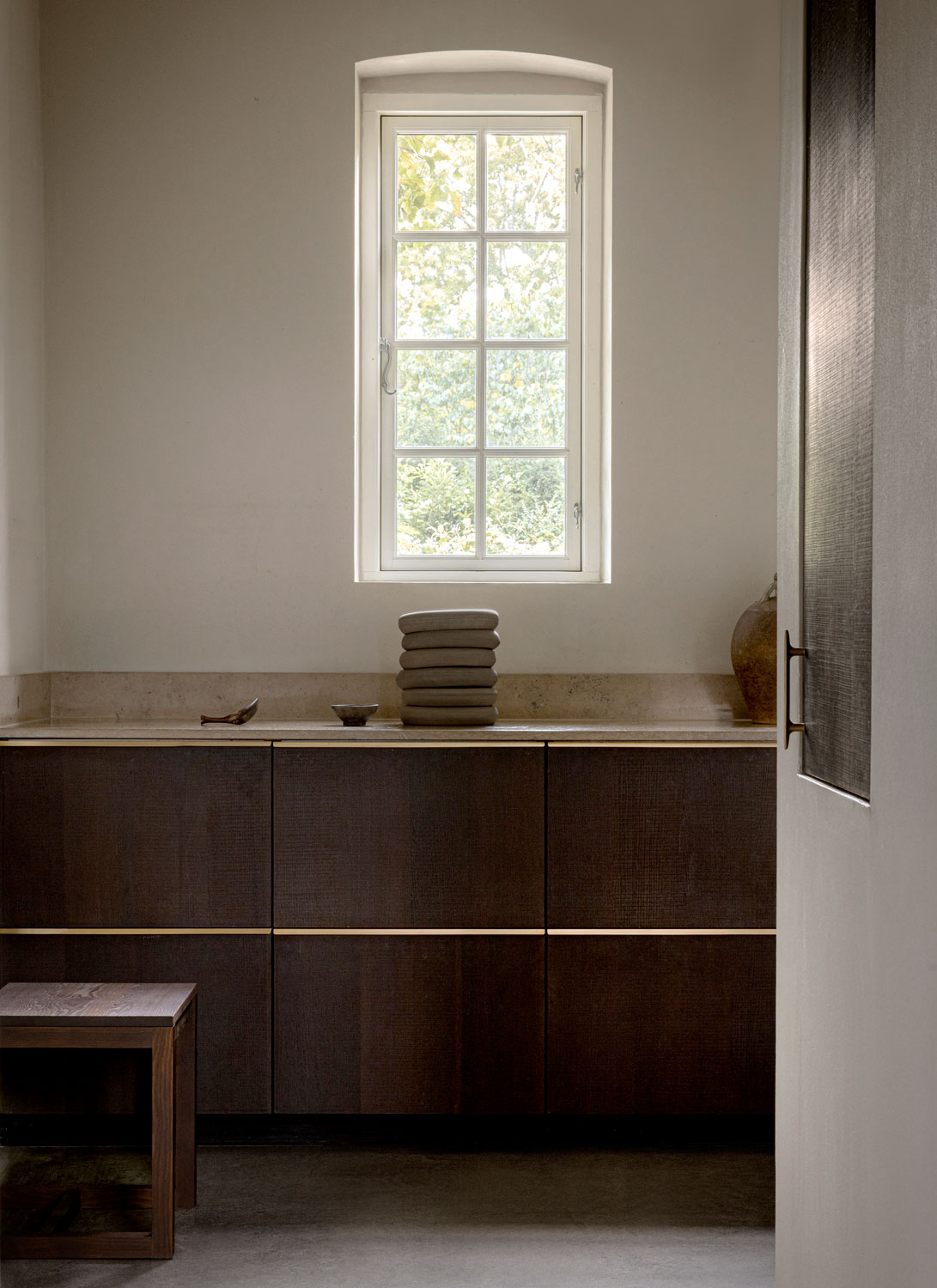
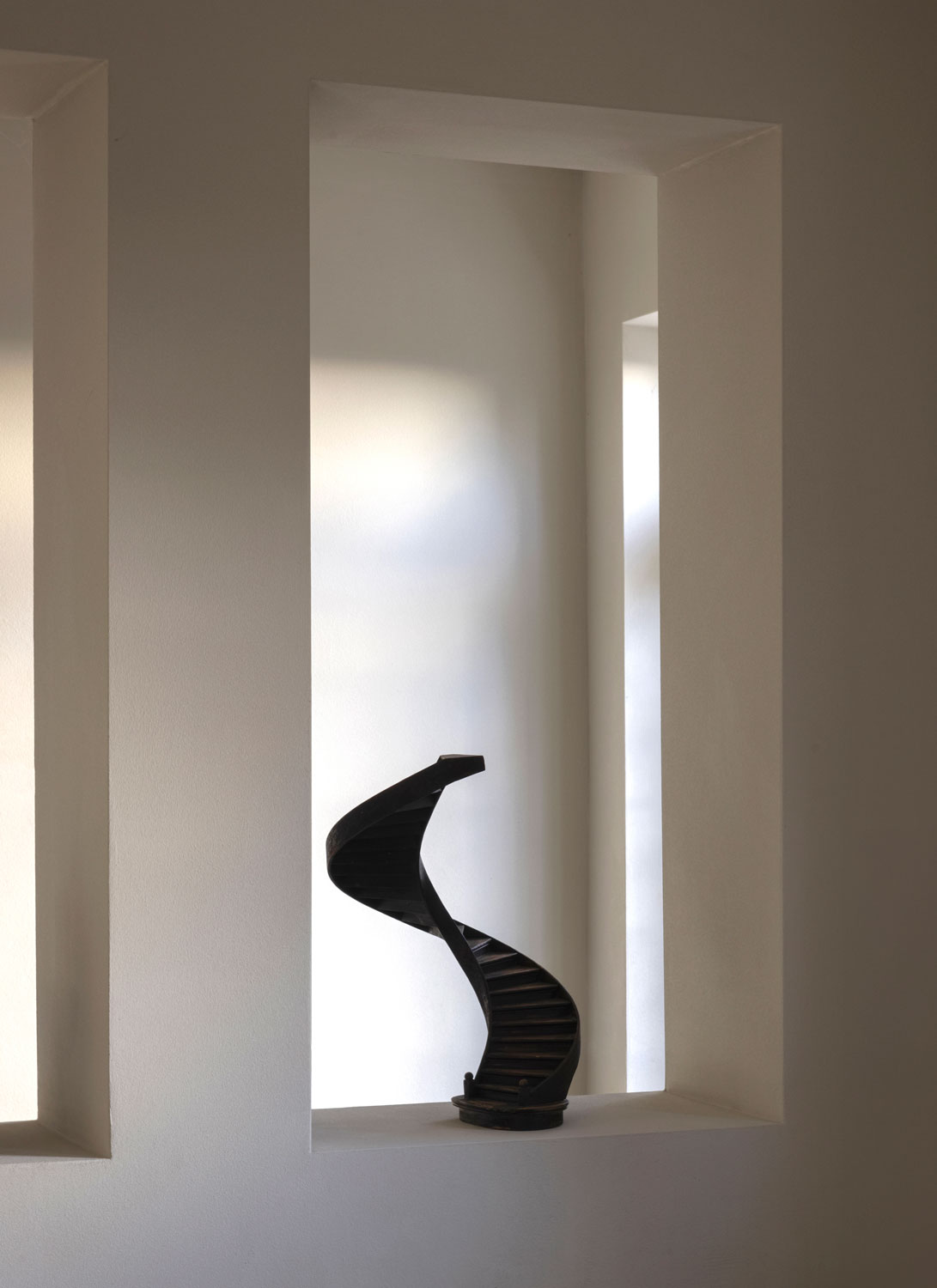
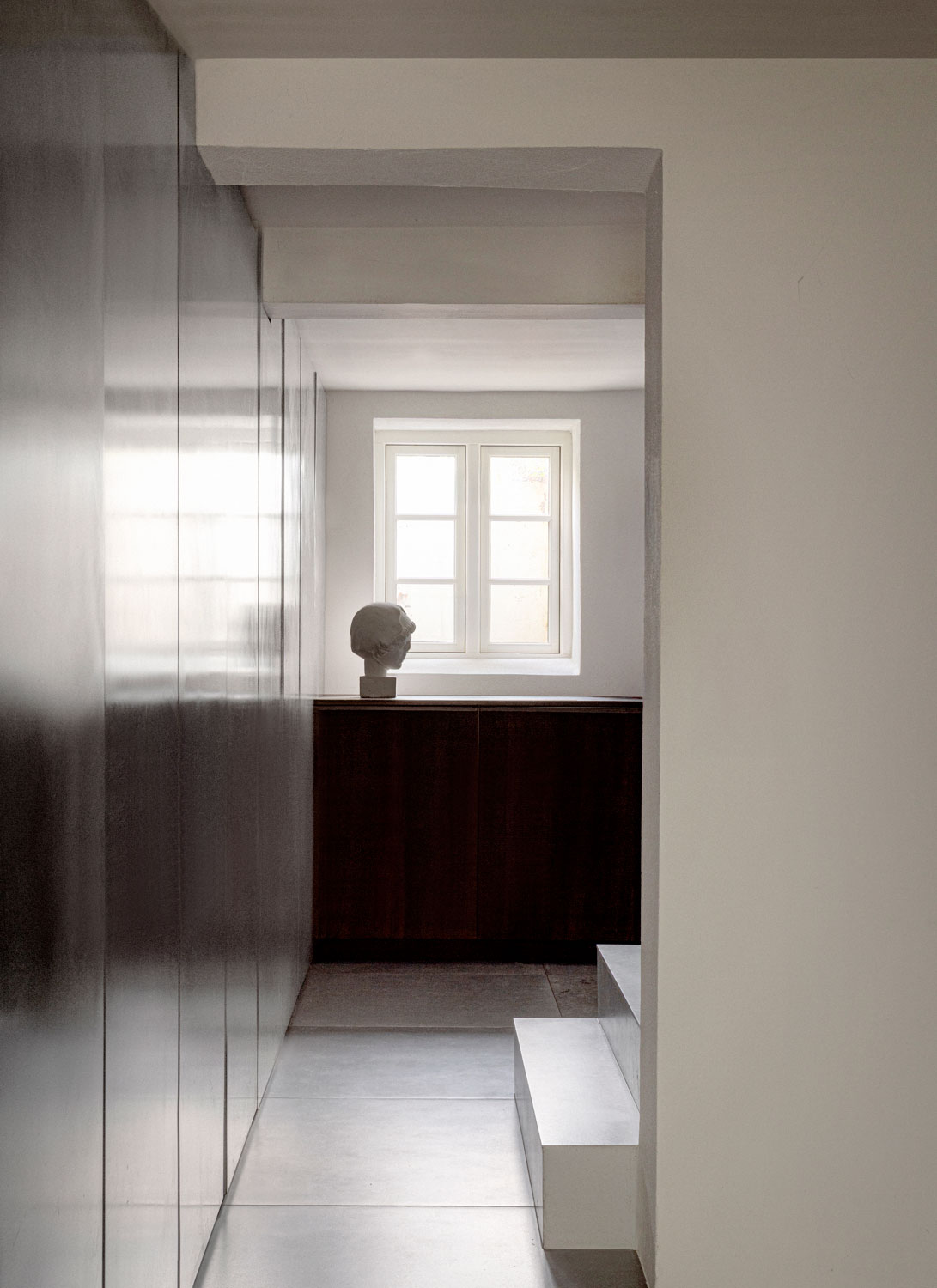
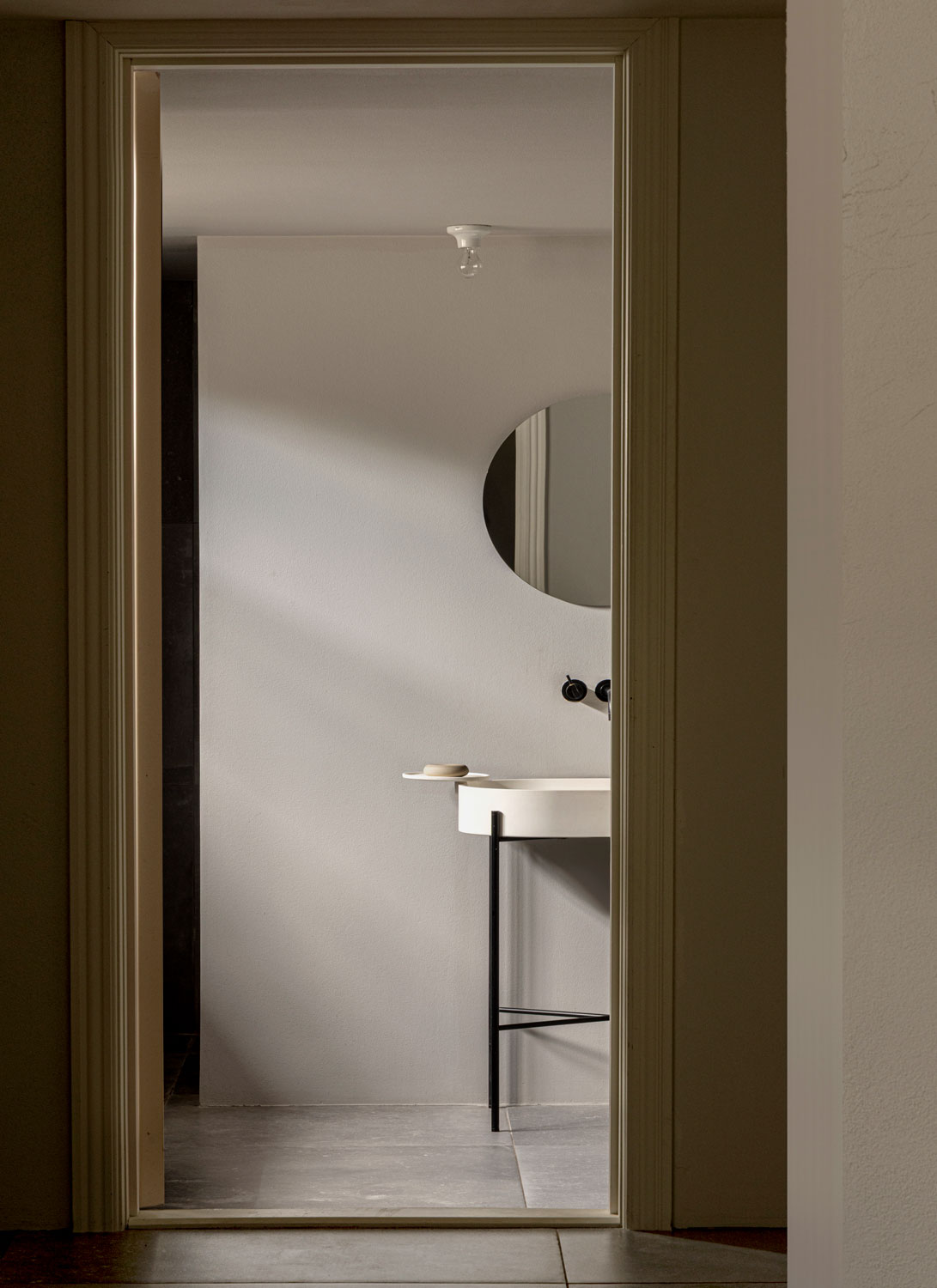
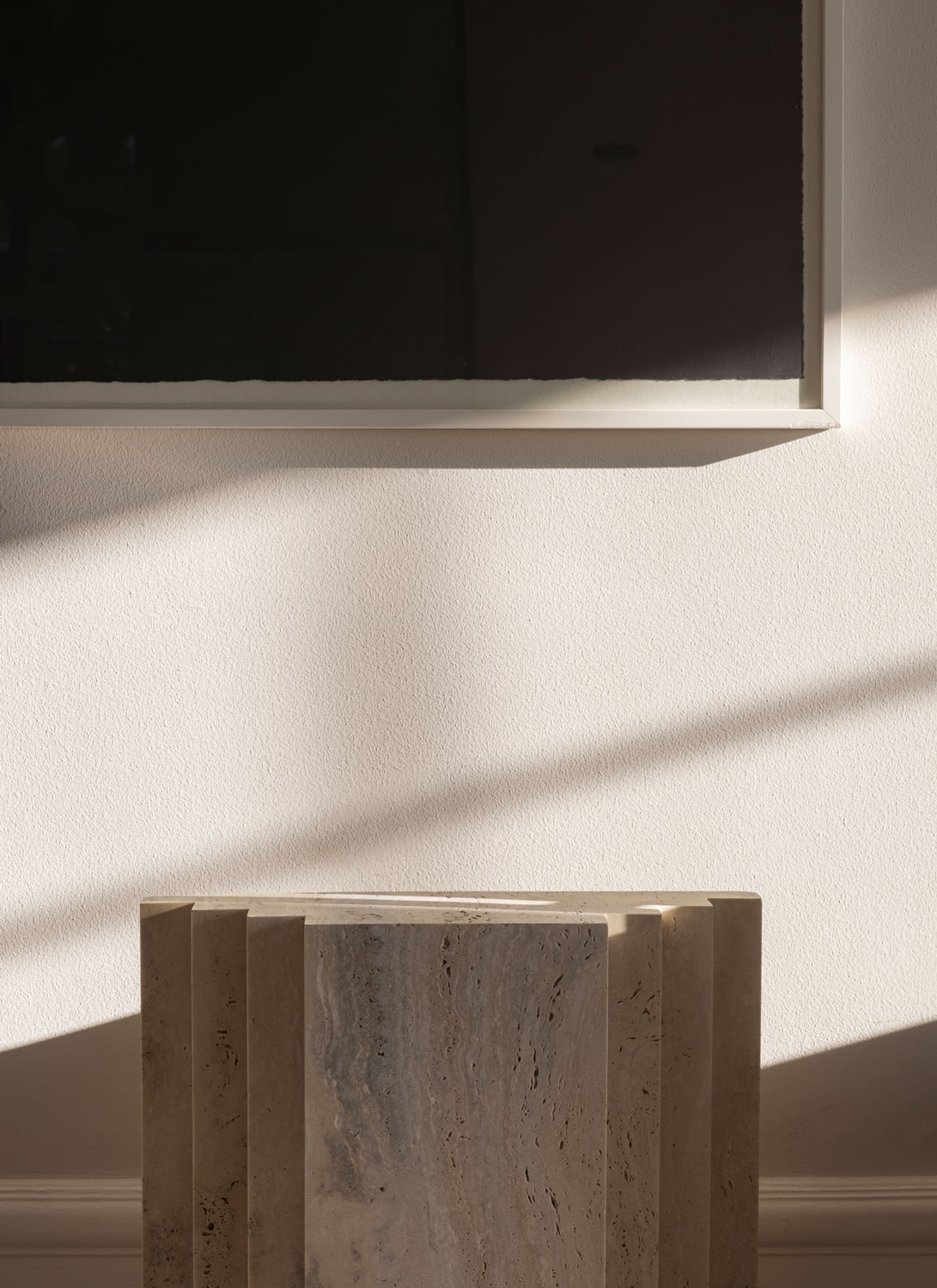
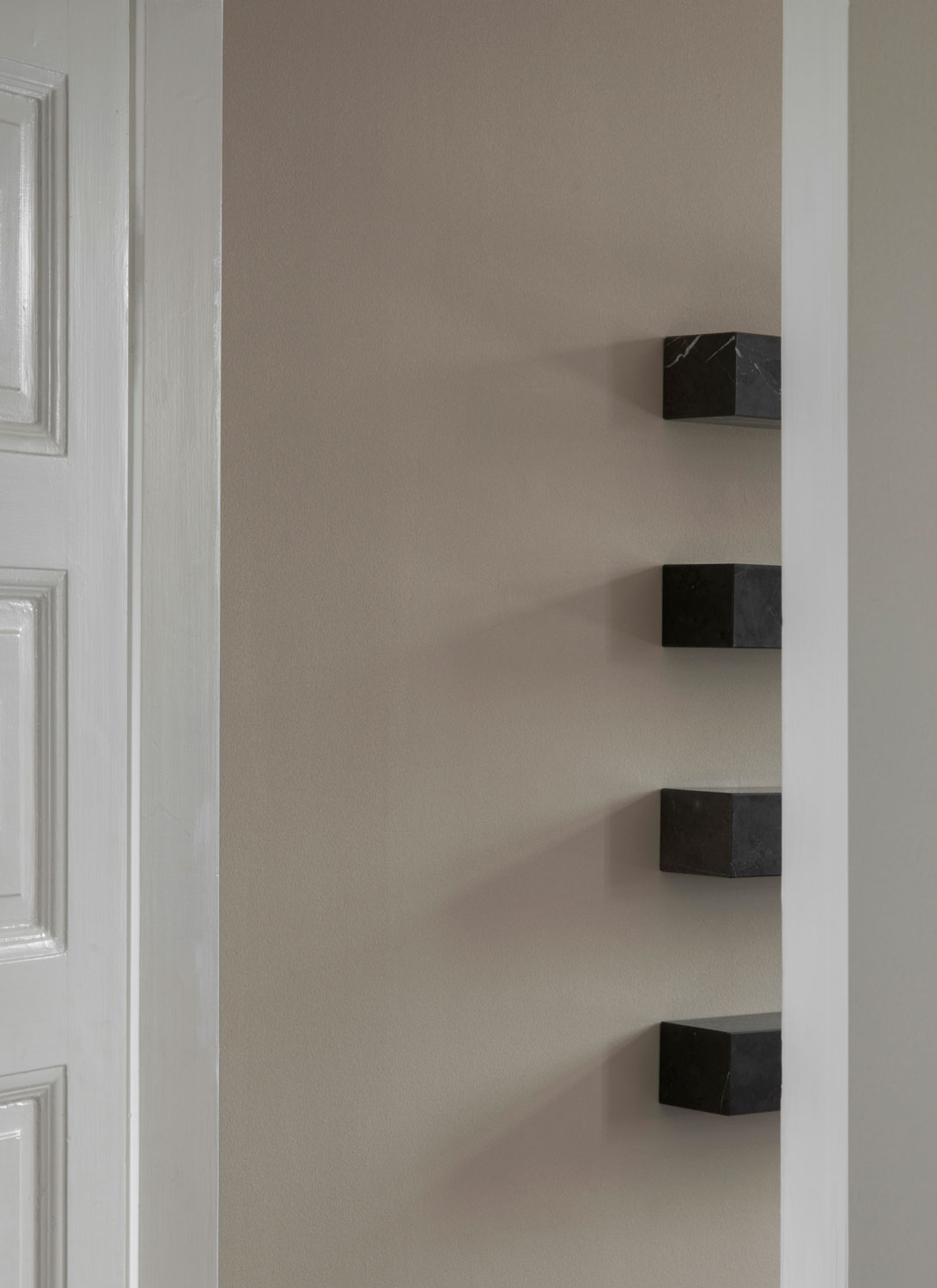
Carefully carved wall niches allows daylight to pass through the depth of the structure, turning simple openings into quiet architectural pauses. Here, light, material, and proportion work together to create a moment of stillness within the flow of the home.
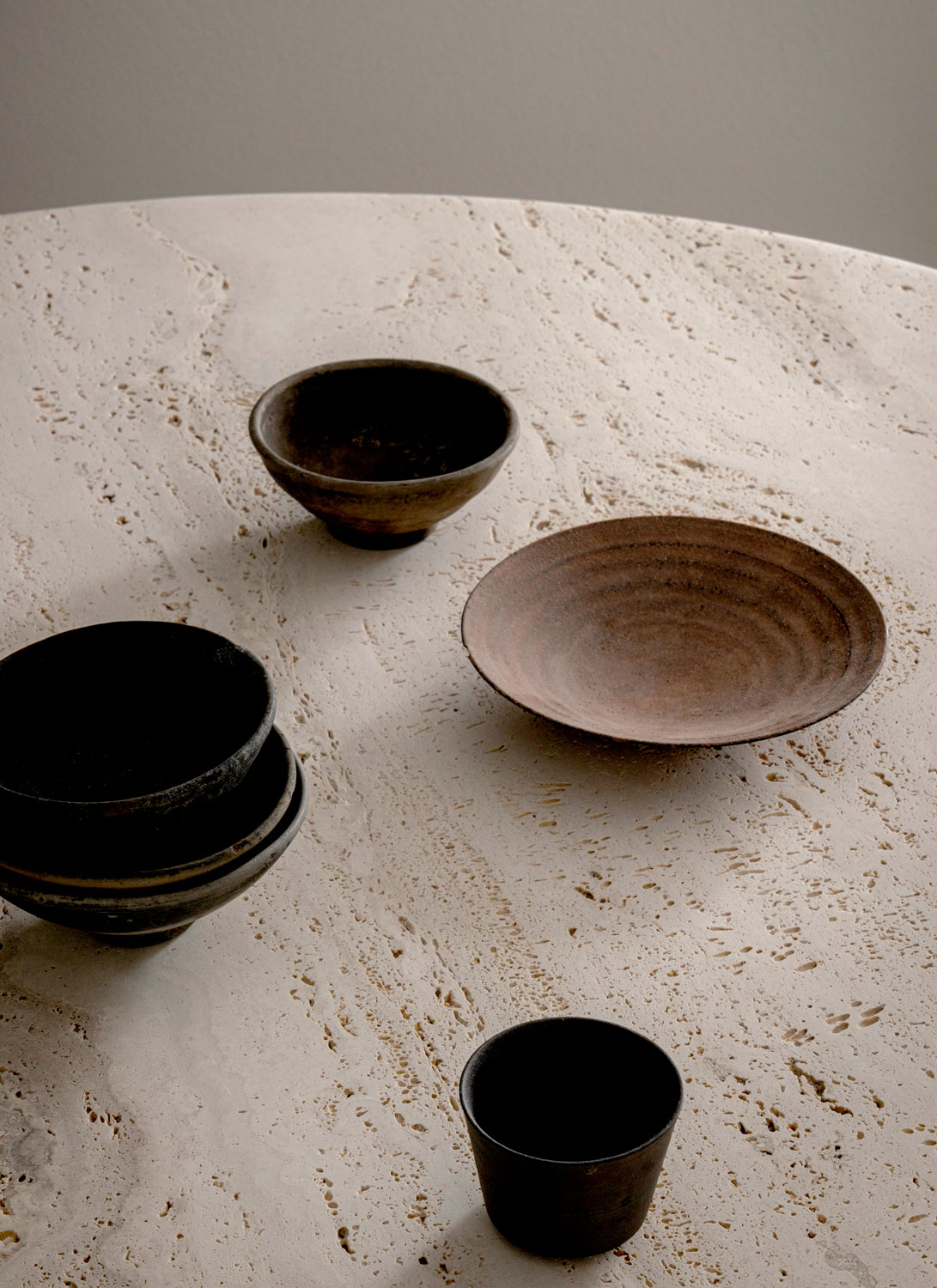
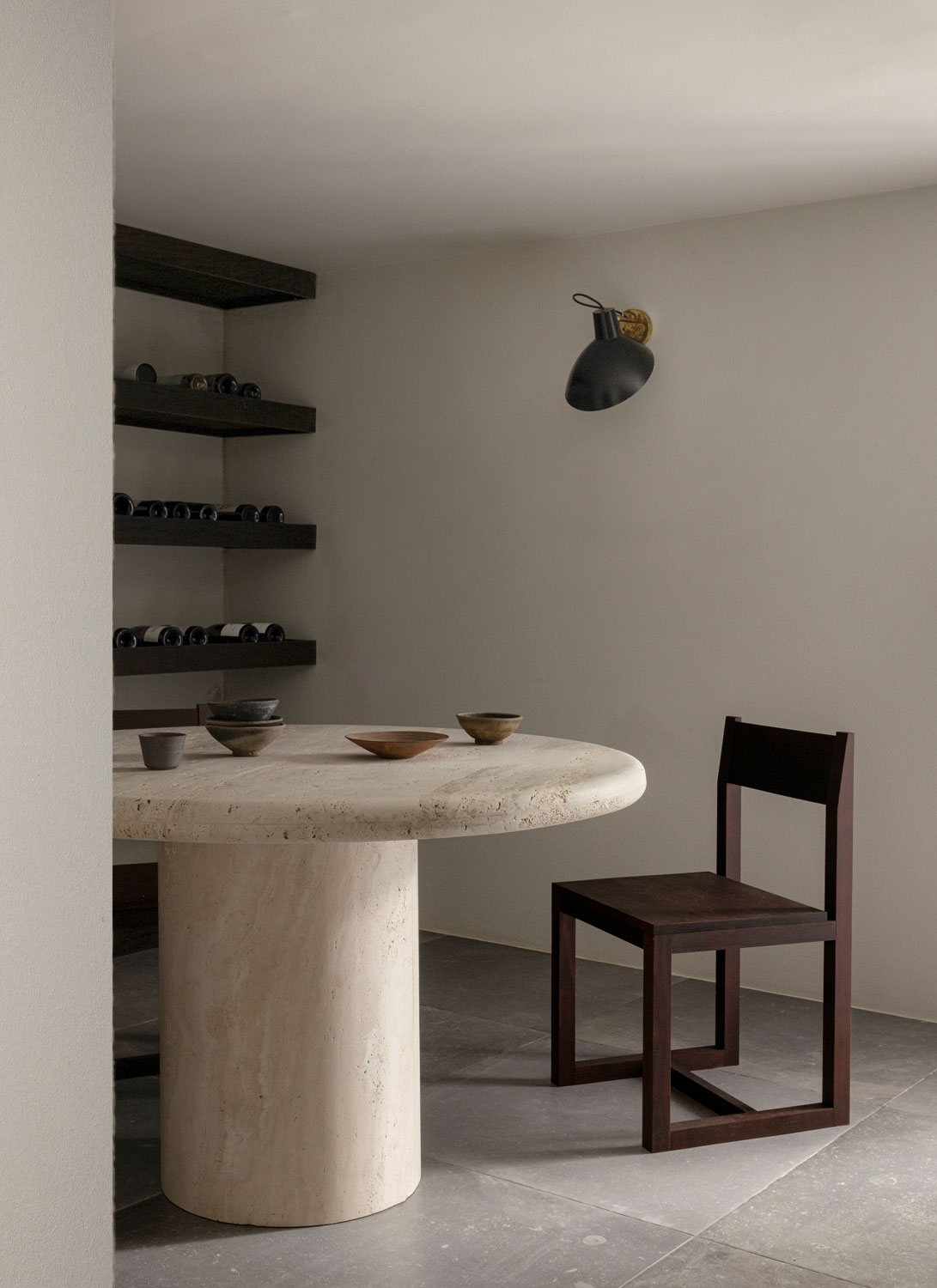
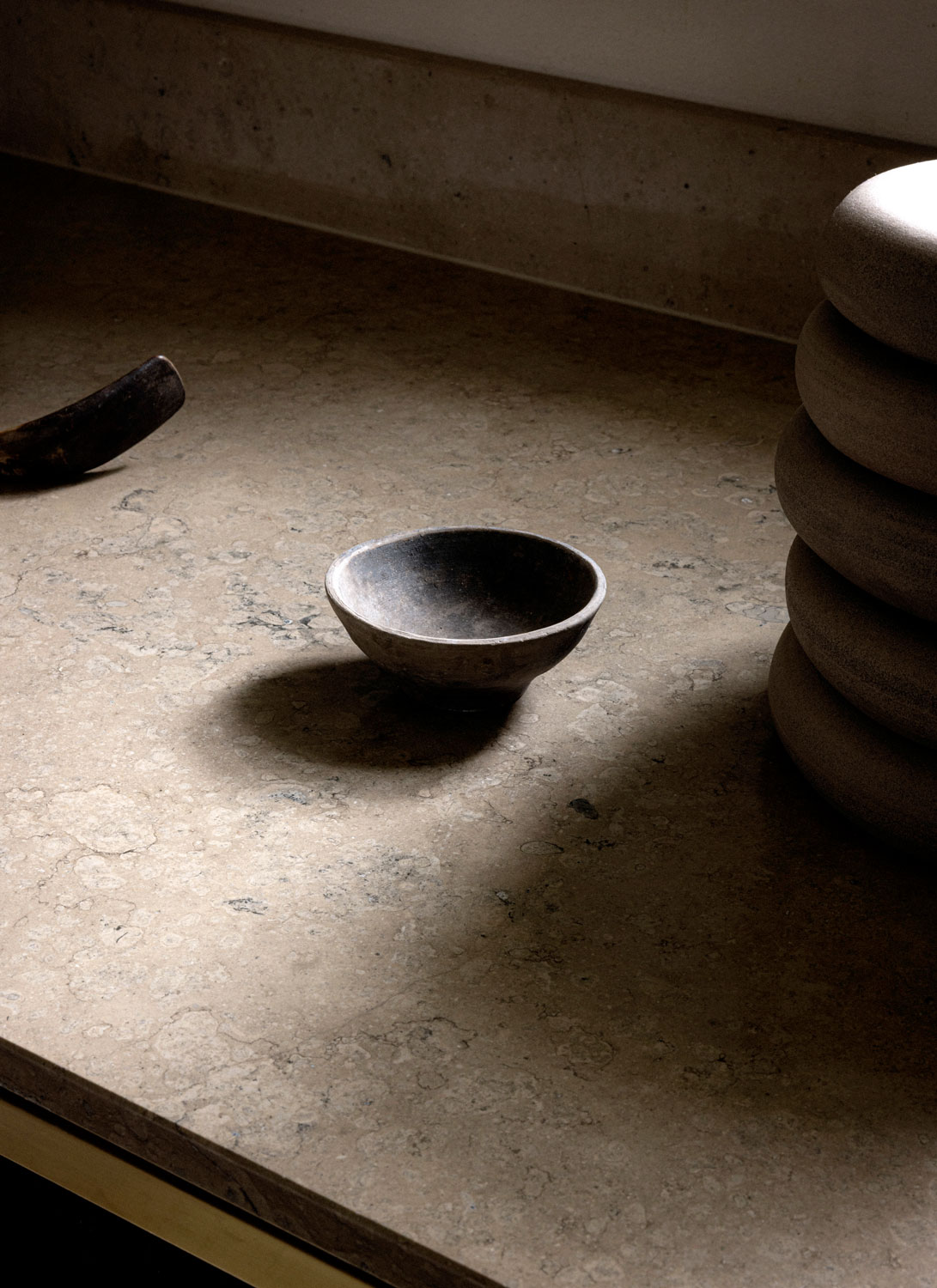
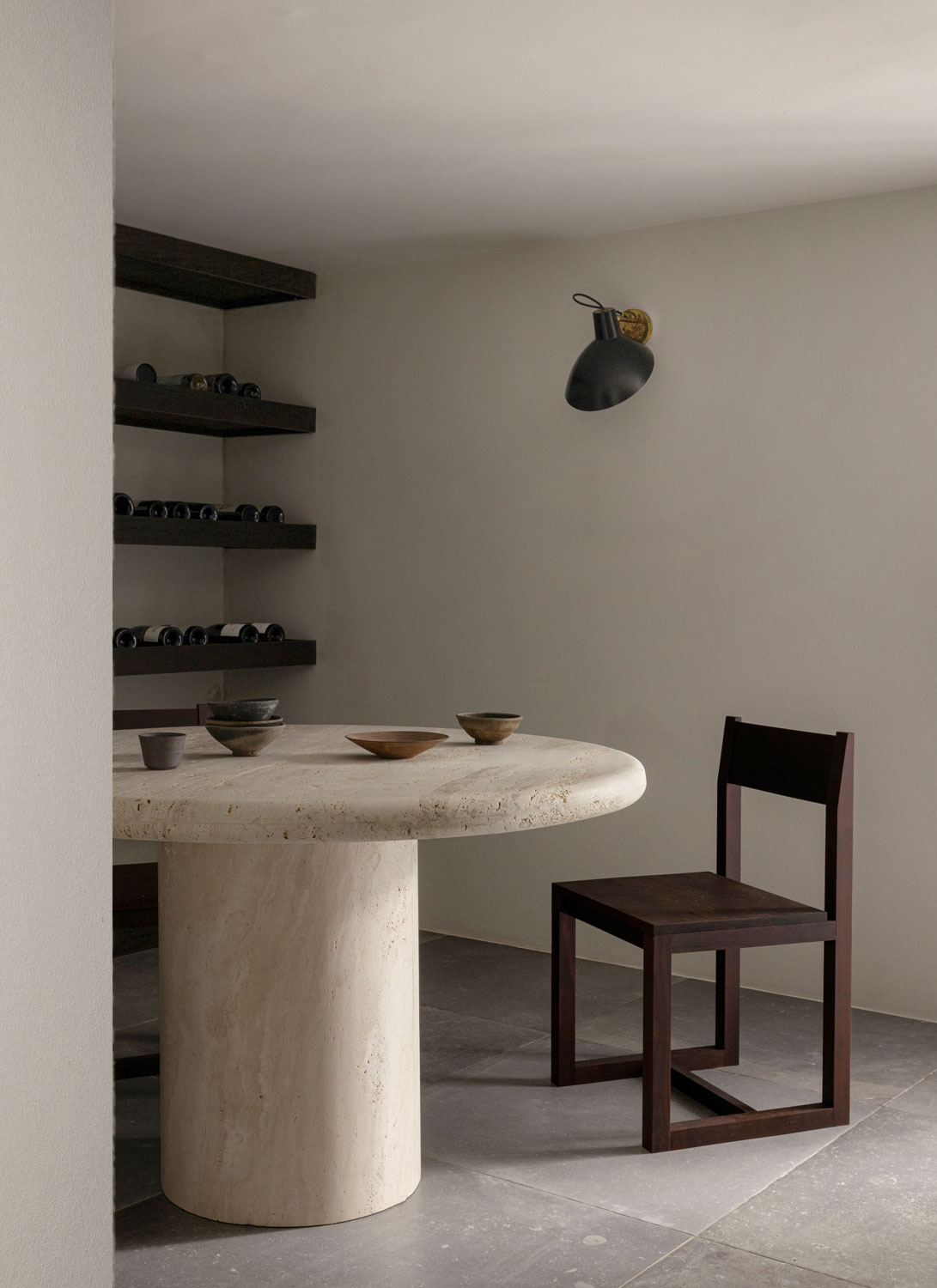
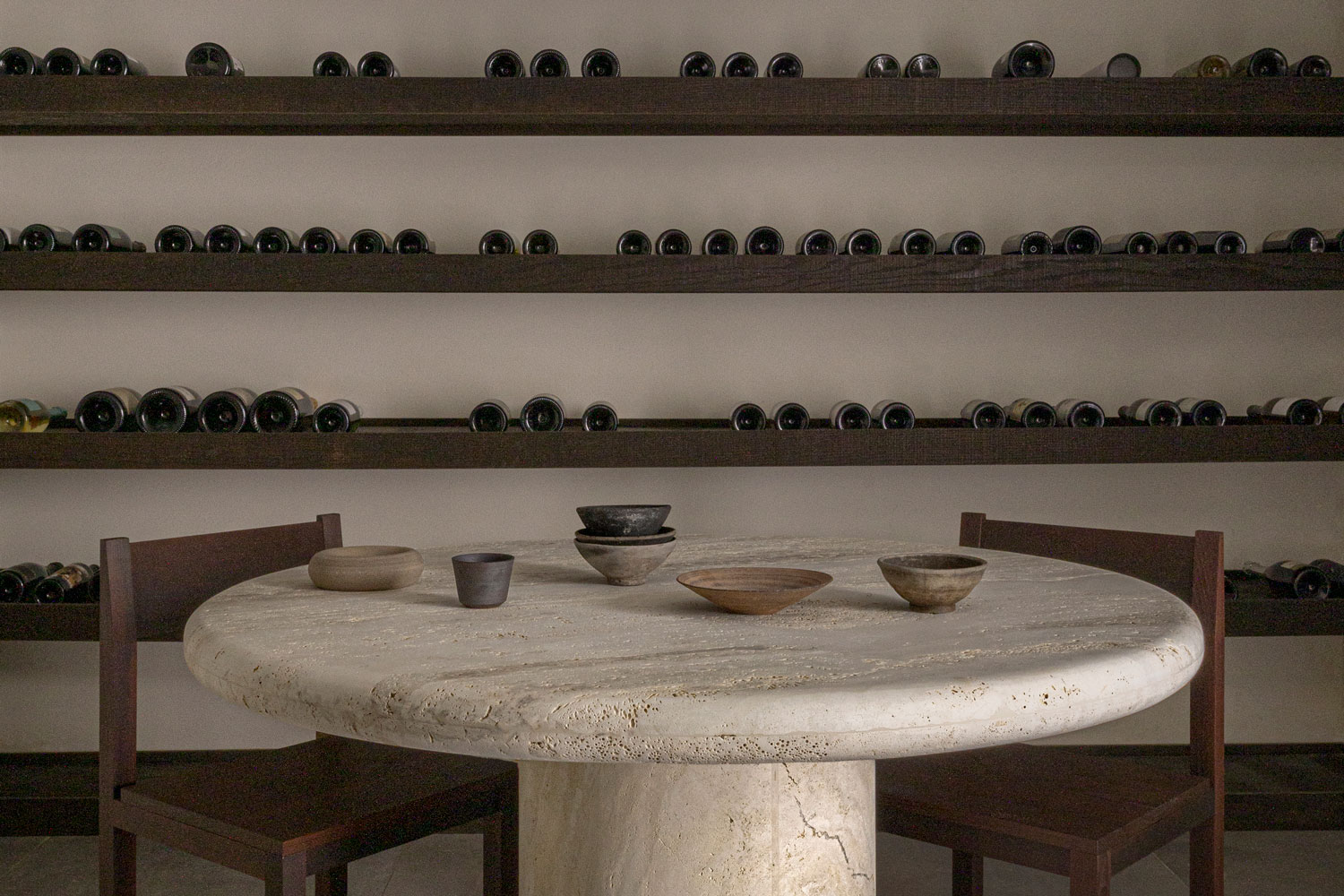
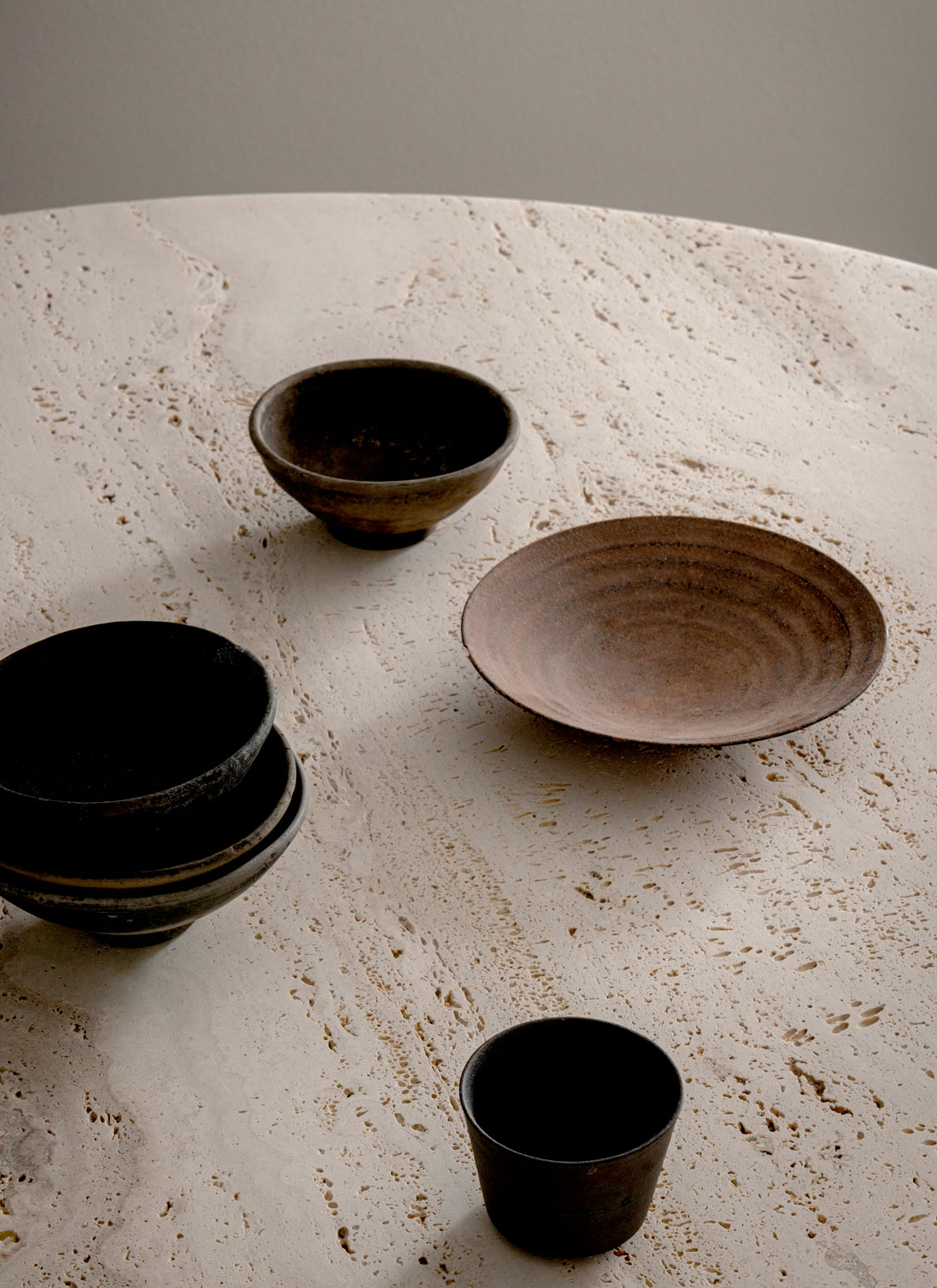
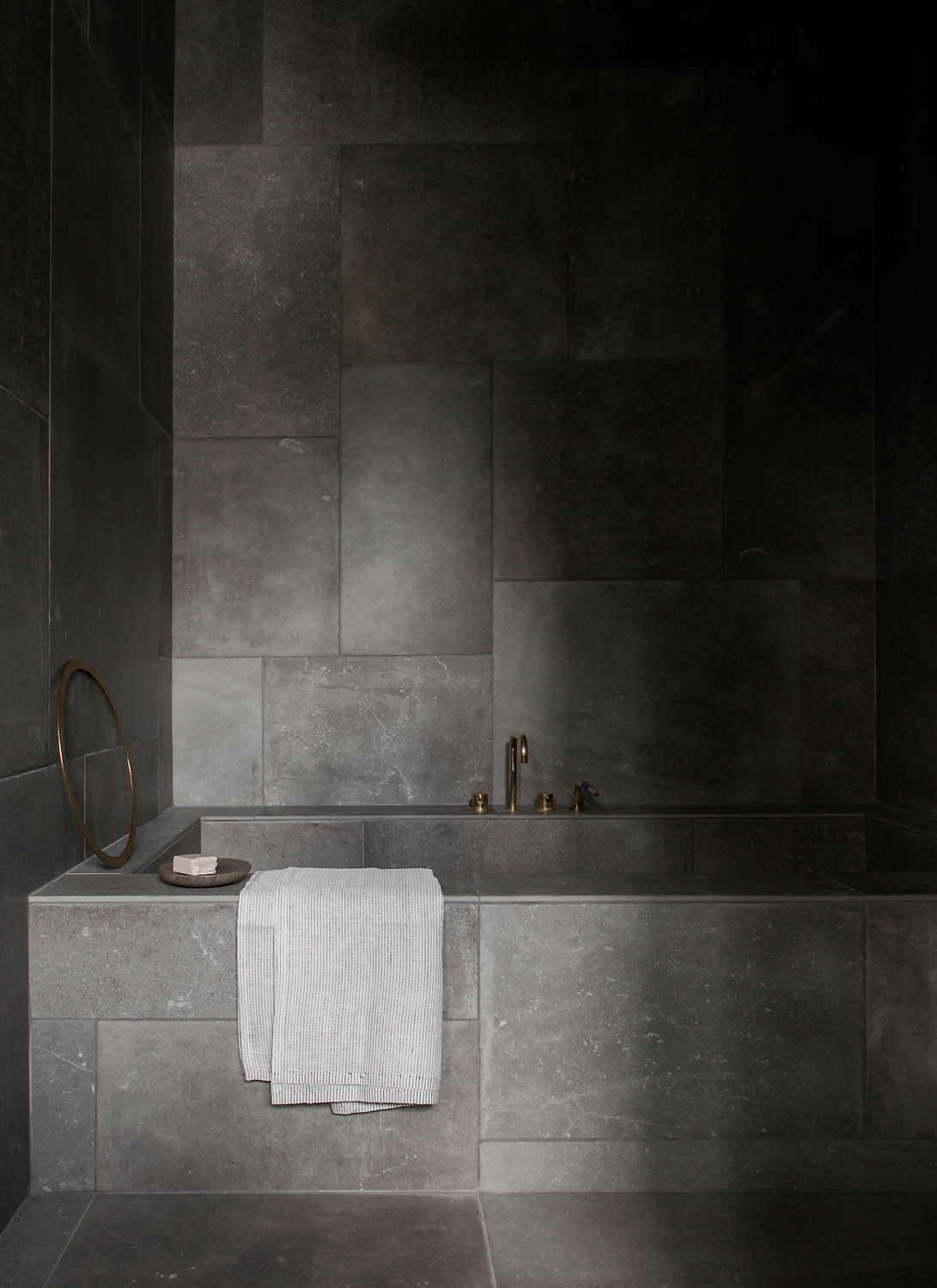
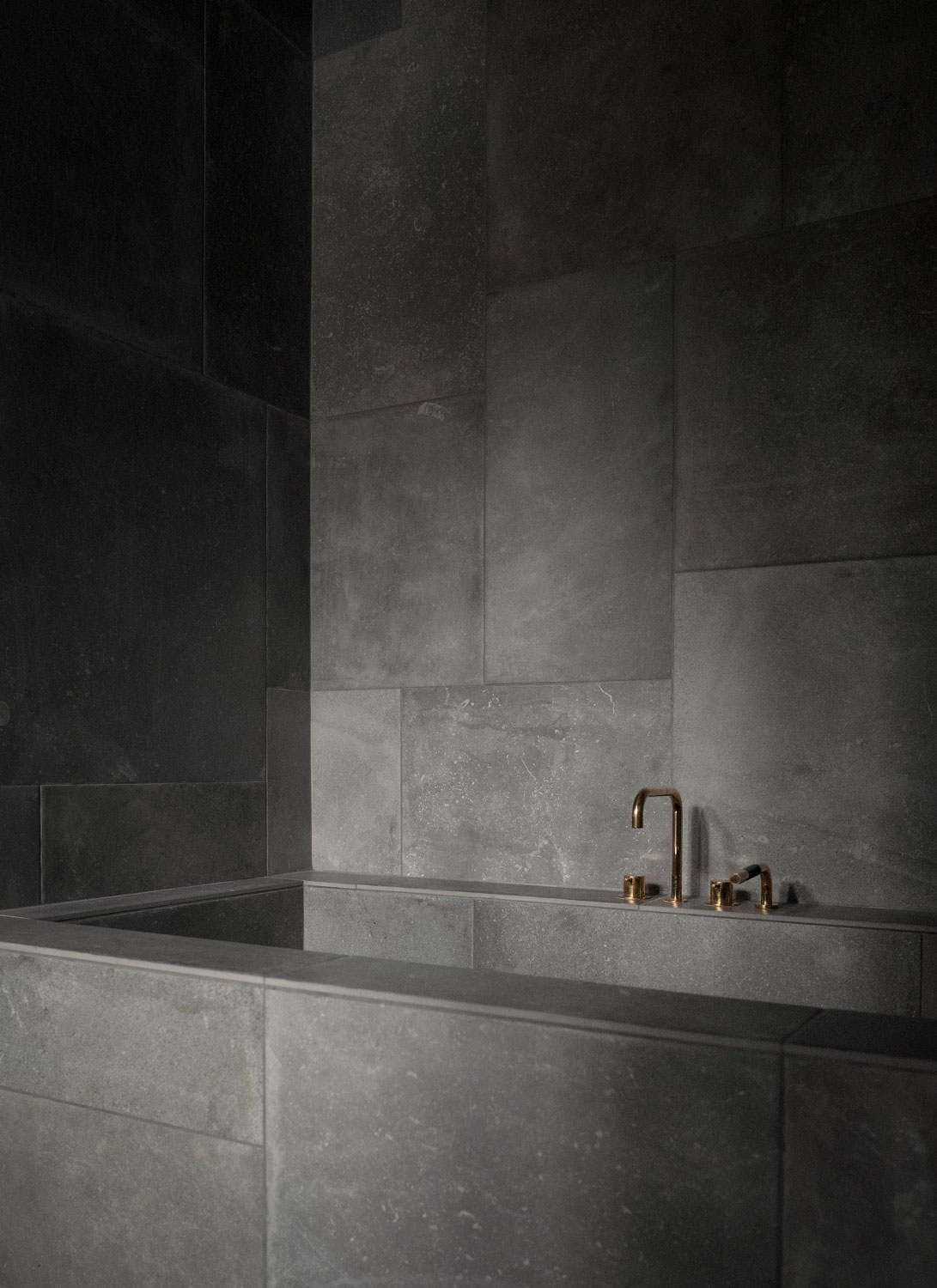
On the lower floor, the atmosphere is defined by a quiet weight and tactility. Solid stone surfaces, dark timber elements, and muted tones create a grounded spatial experience where materials are allowed to speak with clarity. A round stone table becomes a natural gathering point, its monolithic presence softened by the patina of the surface and the intimacy of the surrounding setting. Here, the architecture recedes slightly, allowing texture, proportion, and light to shape the experience of the space.
Across the floor, a restrained palette and careful detailing establish a sense of continuity. Each element feels considered in relation to the next, forming a calm backdrop for everyday rituals and shared moments.
Despite its heavier material character, the lower level remains closely connected to the rest of the house through deliberate openings, framed views, and subtle transitions between rooms. Light is guided through the spaces, moving across surfaces and revealing their depth and texture while creating a gentle rhythm between compression and release.
Clear architectural lines and precise interventions ensure that the historic structure and contemporary additions coexist in balance. The result is a sequence of spaces that feel both intimate and open, where the atmosphere is shaped as much by what is removed as by what is added.